
Are European Cars Reliable Long Term? 7 Honest Truths

Are European cars reliable long term? In this article, we break down 7 honest truths about their reliability, reputation, maintenance costs, and real-world ownership experience.
European cars inspire both admiration and skepticism. Brands such as BMW, Mercedes-Benz, Audi, Porsche, Volvo, and Volkswagen are known for sophisticated engineering, strong performance, and premium interiors. Yet many buyers still ask the same question: are European cars reliable long term?
The answer is more nuanced than many online discussions suggest. Some European vehicles regularly surpass 200,000 miles (320,000 km) with minimal issues, while others require more attentive maintenance. Reliability depends on several factors, including engine design, service discipline, and long-term ownership habits.
Contents
Key Takeaways
- European cars can be reliable long-term when properly maintained.
- Independent reliability data from TÜV, ADAC, and Consumer Reports show reliability varies more by model than region.
- Porsche, BMW, Volvo, and Volkswagen often rank among the most reliable European brands.
- Higher maintenance costs do not necessarily mean lower reliability.
- Consistent servicing and correct fluids are critical for long-term durability.

Why European Cars Have a Mixed Reliability Reputation
European automakers often prioritize driving dynamics, safety, and advanced engineering. This philosophy results in vehicles that are enjoyable to drive and technologically advanced, but sometimes more complex than competitors.
- High-output turbocharged engines
- Multi-link suspension systems for precise handling
- Advanced transmissions such as ZF 8-speed and DSG dual-clutch gearboxes
- Extensive electronic driver-assistance systems
While these features improve performance and safety, they can also introduce more components that require proper maintenance.
What Reliability Really Means in Long-Term Ownership
In automotive engineering, reliability usually refers to measurable factors rather than brand reputation. These factors include:
- Frequency of mechanical or electrical failures
- Durability of engines and transmissions
- Consistency of performance over high mileage
- Predictability of maintenance requirements
Organizations such as TÜV, ADAC, and Consumer Reports analyze large datasets of inspections and owner surveys to evaluate reliability trends.
Top Reliable European Car Brands
Porsche
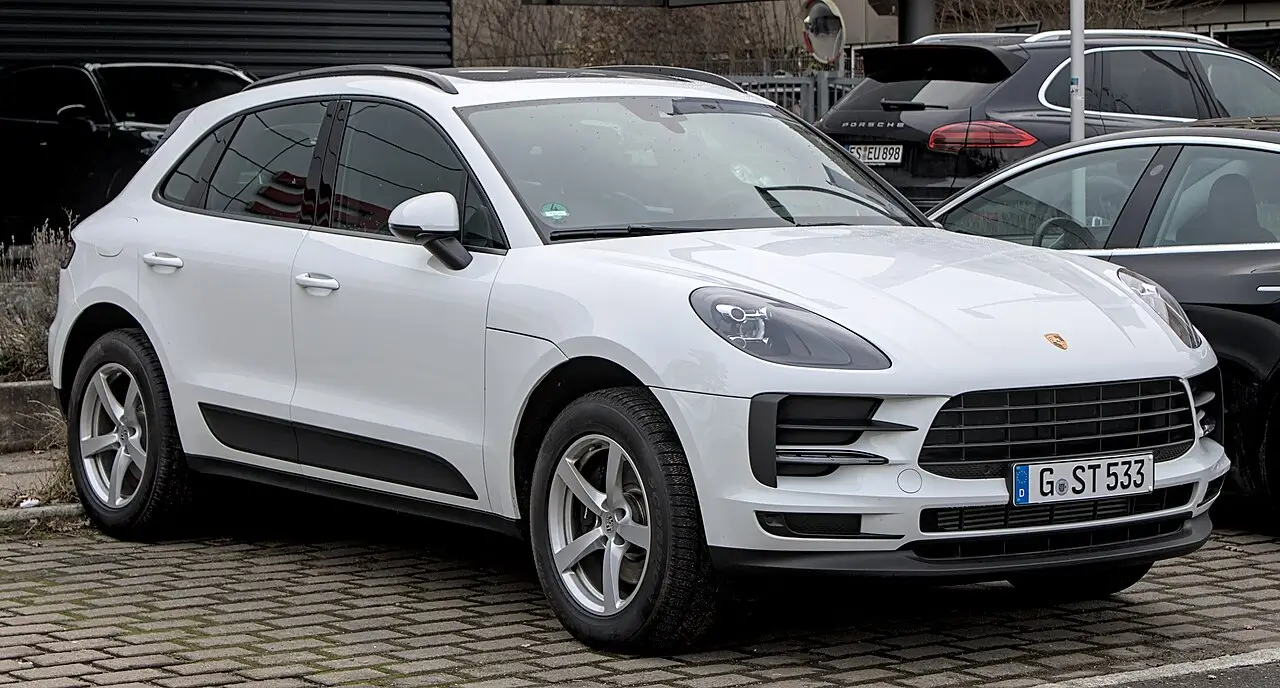
Porsche vehicles frequently rank among the most durable European cars in long-term inspection studies. Models like the Porsche Macan and Cayenne combine strong turbocharged engines with robust engineering.
BMW
Modern BMW engines, such as the B48 and B58, have significantly improved reliability compared with earlier generations. These engines power many current BMW models, including the 3 Series and X5.
| Engine | Typical Issue | Maintenance Advice |
|---|---|---|
| B58 3.0L I6 | Minimal systemic issues | Regular oil and coolant service |
| N20 2.0L I4 | Timing chain wear | Inspect chain guides periodically |
| N54 Twin-Turbo I6 | Fuel pump and turbo wear | Preventive inspection recommended |
Volvo
Volvo car lineup focuses on safety and structural durability. Modern modular engines such as B3 and B5 are designed for both efficiency and longevity.
Volkswagen
Volkswagen models, including the Golf and Passat, remain popular globally thanks to efficient engines and relatively straightforward engineering compared with luxury competitors.
Most Reliable European Engines According to Long-Term Data
In many cases, reliability depends more on the engine itself than the brand. Several European engines have earned strong reputations among mechanics and long-term owners.
- BMW B58 3.0L turbo inline-six – widely regarded as one of the most reliable modern BMW engines.
- Porsche flat-six engines – used in the 911 lineup and known for exceptional longevity.
- Volvo Drive-E engines – modular engines designed for efficiency and durability.
Maintenance: The Key to Long-Term Reliability
The most important factor determining whether European cars remain reliable long term is maintenance discipline.
- Use manufacturer-approved engine oil
- Follow recommended service intervals
- Address warning lights quickly
- Keep detailed service records

Real-World Ownership Example
Consider a 2018 BMW 330i driven about 15,000 miles annually.
- Oil services: ~$350 over three years
- Brake pads and rotors: ~$500
- Tire replacement and rotations: ~$400
- Minor repairs: ~$200
Total maintenance cost: approximately $1,450 over three years.
Common Long-Term Issues to Watch
- Carbon buildup in direct-injection engines
- Valve cover gasket oil leaks
- Turbocharger wear on high-mileage vehicles
- Suspension bushings and control arms
- Cooling system failures

Comparison Table: Reliable European Models
| Model | Reliability Score | Annual Maintenance | Notes |
|---|---|---|---|
| Porsche Macan | 9/10 | $900 | Strong engine durability |
| BMW 330i | 8.5/10 | $1200 | Reliable B48 engine |
| Audi A4 Quattro | 7.5/10 | $1400 | Monitor oil consumption |
| Volvo XC60 | 8/10 | $1000 | Durable turbo engine |
| Volkswagen Golf | 8.5/10 | $800 | Proven TDI engines |
European Cars vs Japanese Cars
Japanese vehicles are often designed with simpler mechanical architecture, which can reduce repair complexity. European vehicles typically prioritize performance, safety engineering, and driving dynamics.
This difference partly explains why European cars sometimes appear less reliable in rankings despite many models achieving excellent longevity when properly maintained.

FAQ: Are European Cars Reliable Long Term?
Can European cars last 200,000 miles (320,000 km)?
Yes. Many well-maintained European vehicles exceed 200,000 miles (320,000 km) when serviced regularly and driven responsibly.
Why do European cars sometimes seem less reliable?
Higher engineering complexity and advanced technology can increase maintenance costs, creating the perception of lower reliability.
Which European brand is the most reliable?
Studies often place Porsche, BMW, and Volvo among the most reliable European manufacturers, depending on model and year.
Is it worth buying a used European car?
Yes, provided the vehicle has complete maintenance records and passes a professional inspection.
Conclusion
European cars are not inherently unreliable. Many models demonstrate excellent durability when maintained correctly. Their engineering philosophy focuses on performance, safety, and technology, which sometimes increases complexity but can also deliver an exceptional driving experience.
If you’re researching dependable models, you can also explore our Ownership Costs and Maintenance section for long-term ownership tips.