
Best Cheapest Cars to Insure for New Drivers
That first insurance quote can ruin the mood fast. A car that looks like a bargain on the lot can become expensive the second an insurer sees a teenage or first-year driver attached to it. If you’re shopping for the cheapest cars to insure for new drivers, the smartest move is to stop thinking only about sticker price and start looking at the full ownership picture.
For new drivers, insurers are pricing risk more than the car itself. They care about crash rates, repair costs, theft frequency, engine size, body style, and how likely that model is to be driven hard. That is why a modest used sedan often beats a sporty coupe, even when both cost the same to buy. The brutal truth is simple: boring usually wins.
Contents
- What actually makes a car cheap to insure?
- Cheapest cars to insure for new drivers: the models worth checking first
- New drivers should usually avoid cars if insurance is the goal
- How to find the real cheapest cars to insure for new drivers
- Used or new – which is cheaper to insure?
- The best strategy is usually the least flashy one
What actually makes a car cheap to insure?
Insurance companies do not publish a universal list of winners because rates vary by state, ZIP code, age, driving record, and carrier. Still, the same patterns show up again and again. Cars with modest horsepower, strong safety scores, cheap parts, and low claim frequency tend to land in better rating groups.
New drivers usually get the best insurance results from small or midsize sedans, older compact crossovers, and mainstream hatchbacks. These vehicles are easier to repair, less likely to be stolen than some popular performance models, and less likely to encourage the kind of driving behavior insurers hate.
A few details matter more than shoppers expect. Trim level can change your premium. A base Honda Civic or Toyota Corolla may cost less to insure than a higher-trim version with a larger engine, bigger wheels, or sportier bodywork. Even the difference between a sedan and a hatchback can show up in quotes with some carriers.
Cheapest cars to insure for new drivers: the models worth checking first
If your goal is low insurance cost without buying a penalty box, a handful of models consistently make sense. These are not guaranteed to be the absolute cheapest in every state, but they fit the profile insurers usually reward.
- Toyota Corolla
- Honda Civic sedan
- Mazda3 sedan
- Subaru Impreza
- Hyundai Elantra
- Kia Forte
- Toyota Camry
- Honda Accord
- Subaru Legacy
- Honda CR-V
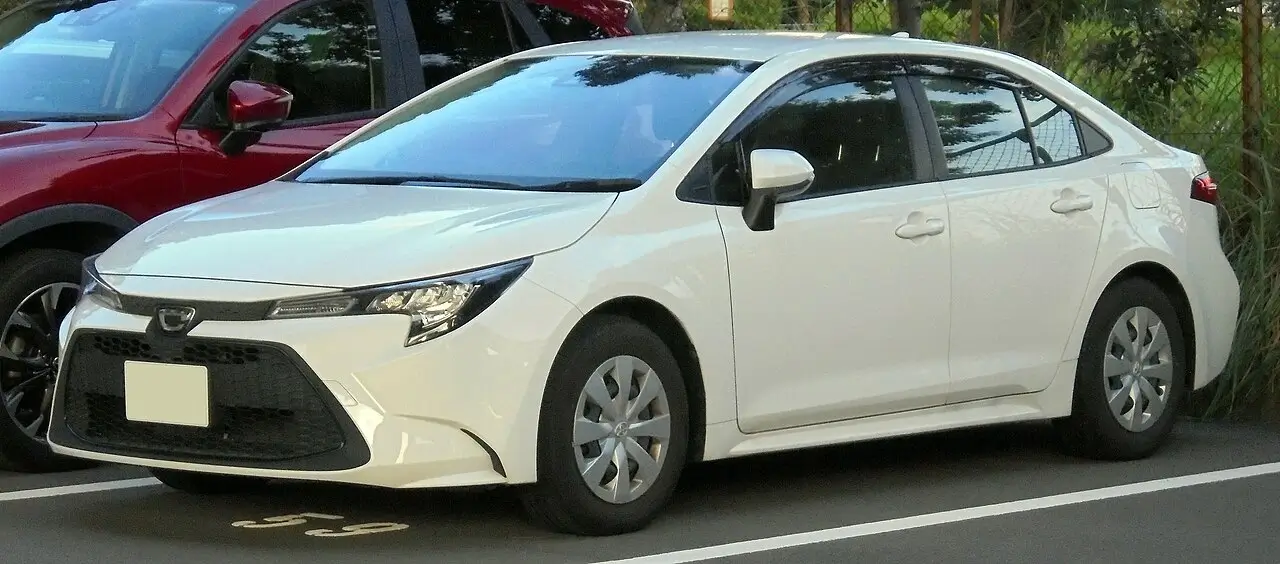
The Corolla is a classic low-drama answer. It is common, repairable, safe, and rarely confused with something built for reckless fun. The Civic can be nearly as good, but you need to be selective. Stick with the sedan and avoid Si, Type R, or heavily modified examples if insurance cost is your priority.
The Mazda3 is one of the better enthusiast-friendly picks in this group because it feels sharper than many rivals without waving a red flag at underwriters. The Subaru Impreza and Legacy can also make sense, especially for families in snowy states who want all-wheel drive without stepping into a premium-brand crossover.
Midsize sedans like the Camry and Accord are often overlooked by younger buyers, but they can be smart insurance plays. They are driven by a broad age range, usually score well in safety testing, and do not carry the same image as a coupe, hot hatch, or entry-level luxury car.
Quick comparison of insurance-friendly choices
| Model | Why insurers tend to like it | Watch out for |
|---|---|---|
| Toyota Corolla | Strong safety record, low repair complexity, common parts | Higher trims with bigger wheels and added tech can cost more |
| Honda Civic Sedan | Mainstream, efficient, widely available parts | Sport trims and coupe variants may quote higher |
| Mazda3 Sedan | Good safety features, mature buyer profile | Turbo models can move the rate up |
| Subaru Impreza | Standard all-wheel drive, solid safety reputation | Repair costs can be higher than basic front-wheel-drive rivals |
| Toyota Camry | Conservative risk profile, dependable ownership history | V6 and TRD-style versions are a different story |
| Honda CR-V | Safe, practical, family-oriented image | Newer examples may cost more to repair after a crash |
New drivers should usually avoid cars if insurance is the goal
Some cars are cheap to buy used because the insurance pain is hiding in the background. That often includes sports coupes, turbocharged trims, muscle cars, and premium-brand entry models. A used BMW 3 Series or Infiniti coupe may look tempting next to a Corolla on a classifieds page, but the monthly insurance bill can erase the savings quickly.
The same warning applies to vehicles that are heavily stolen or frequently crashed by younger owners. Kia and Hyundai models from certain years may be affordable to buy, but theft-related insurance complications have made some of them harder or more expensive to insure in specific markets. It depends on the model year and your location, so quote first and get emotionally attached later.
Modified cars are another trap. Lowered suspension, aftermarket wheels, loud exhausts, body kits, and tuning parts do not just affect reliability and resale. They can push insurers to raise rates, limit coverage, or walk away entirely.
How to find the real cheapest cars to insure for new drivers
The smartest buyers shop for insurance and the car at the same time. Do not choose a vehicle, sign paperwork, and then discover the premium is absurd. Pull quotes on several models before you buy, using the exact VIN when possible.
Start by comparing a few types of vehicles instead of several versions of the same one. Quote a Corolla, a Camry, a CR-V, and a Mazda3. You may find that the bigger sedan is only slightly more to insure, or that the crossover costs less than expected because of safety data and owner demographics.
Then compare trims carefully. A base model with smaller wheels and a naturally aspirated engine can beat a sporty trim by a meaningful margin. This is one of those places where ownership reality matters more than brochure appeal.
Here are the most useful ways to lower your premium beyond choosing the right car:
- Stay on a parent or household policy if possible
- Ask about good student discounts
- Take a defensive driving course if your insurer recognizes it
- Raise the deductible if you have enough savings to cover it
- Skip unnecessary coverage on an older car, but only after understanding the risk
- Quote multiple insurers every year, not just once

Used or new – which is cheaper to insure?
A used car is not automatically cheaper to insure. Older vehicles can save you money because they are worth less and may not need collision or comprehensive coverage forever. But some older cars lack modern safety tech, have worse crash outcomes, or are easier to steal. Those factors can work against you.
On the other side, a newer compact sedan with automatic emergency braking, lane keeping tech, and better crash protection may earn favorable rates with some insurers, even if the car itself costs more. It depends on how the insurer weighs safety features against repair costs. Newer cars are packed with sensors and cameras, so even a minor fender bender can get expensive.
For most new drivers, the sweet spot is usually a late-model mainstream sedan or small crossover with strong safety scores, no performance branding, and no accident-heavy reputation. That tends to balance purchase price, insurance cost, fuel economy, and long-term reliability.
The best strategy is usually the least flashy one
If you want a car that is cheap to buy, cheap to insure, and unlikely to punish you with surprise repair bills, mainstream Japanese and Korean sedans deserve the first look. Add a few practical crossovers if you need extra space or all-weather confidence. Save the turbo badge, premium logo, and sporty body kit for later.
There is still room to be an enthusiast about it. A Mazda3 can feel more engaging than the average commuter car. A Civic sedan can be genuinely satisfying to drive. Even a Camry or Accord makes more sense once you realize how much comfort, safety, and insurance sanity you get in return.
The best first car is not the one that impresses your friends in a parking lot. It is the one that lets you build driving experience without draining your bank account every month.