

Is High Mileage Bad? The Honest Car Answer

A 12-year-old Toyota with 180,000 miles can be a better buy than a 7-year-old luxury SUV with 95,000 miles and a sketchy service history. That is the honest answer behind the question: Is high mileage bad? Mileage matters, but it is only one part of a much bigger ownership story.
Used car shoppers often fixate on the odometer because it feels like a clean, easy metric. Lower miles must mean less wear, right? Sometimes. But cars age through time, heat cycles, poor maintenance, short trips, neglect, and bad repairs just as much as they age through distance.
Contents
- Is high mileage bad, or just misunderstood?
- What high mileage actually tells you
- When high mileage is not a big deal
- When high mileage is a real warning sign
- High mileage vs low mileage: what really matters
- Is high mileage bad for every type of car?
- How to judge a high-mileage car the smart way
- A quick reality check on mileage benchmarks
- The brutal truth for used car buyers
Is high mileage bad, or just misunderstood?
High mileage is not automatically bad. What it usually means is that the margin for error gets smaller. A high-mileage car with excellent maintenance records, predictable engineering, and mostly highway use can be a smart buy. A lower-mileage car with missed oil changes, long periods of sitting, or expensive known weak points can be far riskier.
This is why experienced buyers look past the number and ask better questions. What kind of miles were they? Was the car maintained on schedule? Is this model known to age well, or does it become a money pit after 100,000 miles?
Mileage is best treated as a clue, not a verdict.
What high mileage actually tells you
The odometer gives you a rough idea of how much wear the car has experienced across the engine, transmission, suspension, wheel bearings, bushings, interior touch points, and electronics. More miles usually mean more parts are closer to replacement.
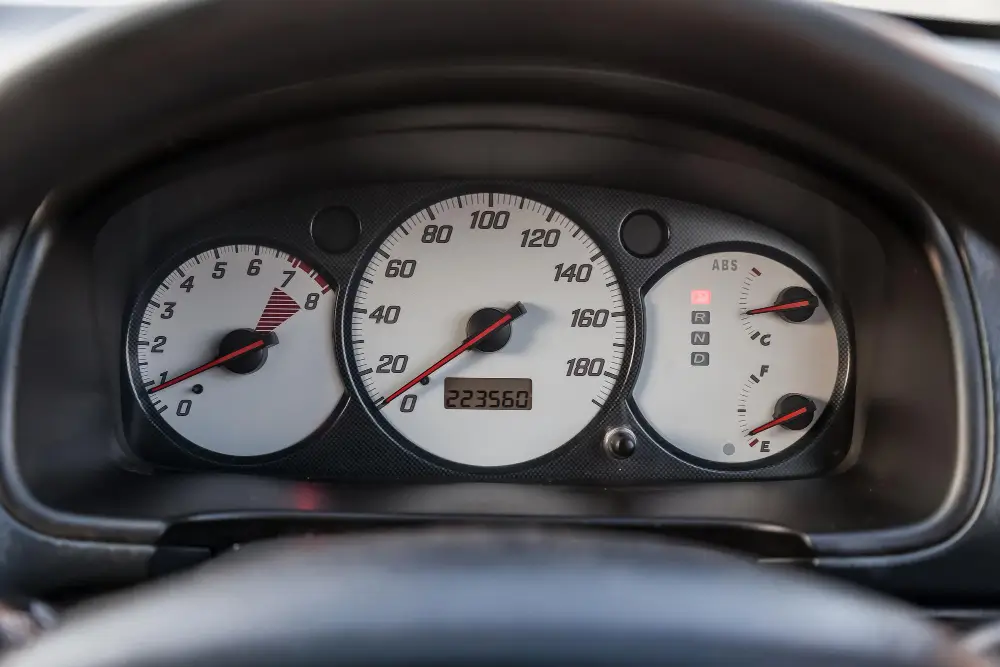
But there is a major difference between 150,000 mostly highway miles and 150,000 city miles with constant stop-and-go traffic. Highway driving is generally easier on brakes, transmissions, and even engine wear because the car spends less time heating up and cooling down and more time at steady operating conditions.
A low-mileage car can also hide problems. Cars that sit for long stretches may develop dried seals, dead batteries, corroded brake components, flat-spotted tires, and stale fluids. A garage queen is not always a bargain daily driver.
When high mileage is not a big deal
Some cars are simply built to take miles better than others. If you are looking at a naturally aspirated Japanese sedan, a full-size pickup with a proven V8, or a well-maintained hybrid with documented battery health, high mileage may not be a deal breaker at all.
It is often less concerning when the car has these traits:
- Consistent maintenance records with oil changes, fluid services, and major repairs documented
- Mostly highway use rather than dense urban stop-and-go driving
- A reputation for long-term reliability and manageable repair costs
- Evidence that wear items have already been replaced, such as tires, brakes, shocks, water pump, or timing components
- A clean pre-purchase inspection with no major leaks, codes, or transmission issues
In those cases, buying high mileage can be how you avoid overpaying for an average car with an artificially attractive odometer reading.
When high mileage is a real warning sign
This is where buyers get burned. High mileage becomes risky when it combines with expensive complexity, poor maintenance, or a model that already has weak spots.
That matters a lot for German luxury cars, turbocharged performance models, older CVT-equipped vehicles with questionable service history, and SUVs loaded with air suspension or advanced electronics. Once those cars stack miles, repair costs can quickly outrun the purchase price advantage.
Watch for red flags like delayed shifting, coolant loss, oil consumption, suspension clunks, uneven tire wear, warning lights, rough cold starts, or gaps in service records. A cheap high-mileage car can become expensive fast if it needs a transmission, head gasket, or electronic module right after purchase.
High mileage vs low mileage: what really matters
| Factor | High-Mileage Car | Low-Mileage Car |
|---|---|---|
| Purchase price | Usually lower | Usually higher |
| Wear on major components | Generally higher | Generally lower, but not guaranteed |
| Risk from sitting unused | Usually lower | Can be higher if rarely driven |
| Maintenance importance | Critical | Still critical |
| Value for budget buyers | Can be excellent | Can be overpriced |
| Best use case | Short- to mid-term ownership with inspection | Long-term ownership if the price makes sense |
The table tells the real story. Lower mileage lowers some risk, but it does not erase bad ownership history. High mileage raises some risk, but it can come with lower upfront cost and a clearer maintenance pattern.
Is high mileage bad for every type of car?
No, and this is where context matters most.

Economy cars
Reliable economy cars often handle mileage best because they are simpler, cheaper to maintain, and easier to repair. A Honda Civic, Toyota Corolla, Mazda3, or older Buick with the right engine can still make sense well past 150,000 miles if inspection results are solid.
Trucks and body-on-frame SUVs
Many trucks are bought with the expectation of high mileage. A well-kept F-150, Silverado, or 4Runner may have plenty of life left at 180,000 miles. The catch is that suspension wear, rust, towing stress, and drivetrain service history matter more here than the raw number on the dash.
Luxury cars
This is where high mileage gets more dangerous. Even if the powertrain is decent, aging electronics, air suspension, cooling systems, and labor costs can punish the second or third owner. A cheap BMW, Mercedes, Audi, or Range Rover with high miles is often cheap for a reason.
Sports cars and performance cars
Mileage matters, but use matters more. A 90,000-mile sports car that lived on the highway may be healthier than a 45,000-mile example that saw hard launches, track days, and neglected maintenance. Buyer caution should go way up here.
Hybrids and EVs
For hybrids, pay close attention to battery health, cooling systems, and model-specific reliability. High mileage alone is not fatal, especially on proven hybrids. For EVs, mileage matters less than battery degradation, charging habits, and warranty status.
How to judge a high-mileage car the smart way
If you are considering one, stop asking whether the mileage is high and start asking whether the car has been cared for. That shift saves money.
Use this framework:
- Check service records first, not last
- Look up known issues for that exact year, engine, and transmission
- Get a pre-purchase inspection from an independent mechanic
- Budget for immediate catch-up maintenance even if the car seems fine
- Compare the asking price with the likely repair exposure over the next 12 to 24 months
That last point is huge. A $9,000 car that needs $3,500 in deferred work is really a $12,500 car. A $12,000 car that needs nothing but routine maintenance may be the better deal.
A quick reality check on mileage benchmarks
| Mileage Range | Typical Buyer Assumption | Better Reality Check |
|---|---|---|
| Under 60,000 | Safe bet | Usually desirable, but still inspect for neglect or accident history |
| 60,000-100,000 | A normal used car | Often, the sweet spot if maintenance is strong and the price is fair |
| 100,000-150,000 | Starting to get risky | Depends heavily on model reputation and completed maintenance |
| 150,000+ | Too many miles | Can still be a good buy, but only with careful inspection and realistic expectations |
There is nothing magical about 100,000 miles anymore. Modern cars regularly exceed that. What changes after that point is not whether the car is automatically bad, but how selective you need to be.
The brutal truth for used car buyers
If you need maximum predictability and plan to keep the car for years, paying more for a well-documented lower-mileage example often makes sense. If your budget is tighter and you know how to inspect cars properly, a high-mileage vehicle can offer excellent value.
The mistake is buying a high-mileage car because it looks like a bargain without understanding why it is cheap. Enthusiast logic and consumer logic have to meet in the middle here. The badge, the features, and the deal price all matter less than maintenance history and model-specific durability.
For most buyers, the best move is not to fear high mileage blindly. It is to respect it. A high-mileage car should earn your trust with records, condition, and inspection results. If it cannot, walk away and let someone else inherit the repair bill.
The smartest used car buys are usually not the ones with the fewest miles. They are the ones with the fewest unanswered questions.