

What is basic maintenance for a car – 9 Tips for Stress-Free Vehicle Ownership
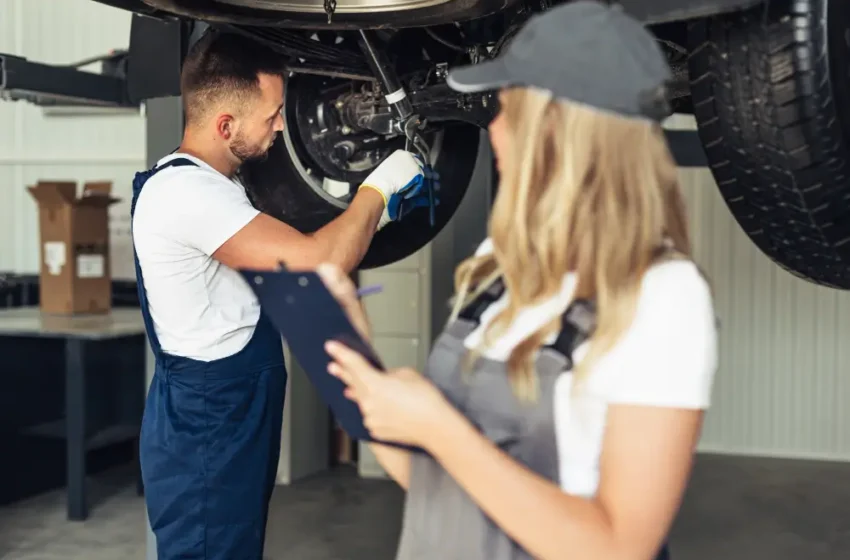
What is basic maintenance for a car? This guide provides essential tips for stress-free vehicle ownership, covering routine checks and preventive care.
Basic car maintenance extends the lifespan of your vehicle, reduces repair costs, improves fuel efficiency, and ensures your safety on the road.
Contents
- What is Basic Maintenance for a Car?
- 1. Check and Change Engine Oil
- 2. Inspect and Replace Air Filters
- 3. Monitor Tire Pressure and Tread Wear
- 4. Test and Maintain the Battery
- 5. Replace Wiper Blades and Maintain Visibility
- 6. Change Brake Pads and Inspect Braking System
- 7. Check and Refill Car Fluids
- 8. Replace Spark Plugs
- 9. Regular Professional Inspections
- Conclusion
What is Basic Maintenance for a Car?
Basic car maintenance refers to routine tasks and checks that every vehicle owner should perform to keep their car in good working condition. These simple maintenance habits prevent mechanical issues, extend car longevity, and contribute to a smooth, worry-free driving experience.
Below are nine essential maintenance tasks every driver should follow.
1. Check and Change Engine Oil
Engine oil lubricates crucial moving parts inside the engine, reduces metal-to-metal contact, and helps regulate temperature during operation. Without sufficient, clean oil, internal components wear out much faster, and the engine becomes more prone to overheating and breakdowns. You should change your oil every 4,800–12,000 km (3,000–7,500 miles), depending on the vehicle, driving conditions, and oil type—synthetic oils typically last longer than conventional oils.
Regular oil replacement is a core component of car maintenance because it directly affects engine health and reliability. Clean oil improves performance, enhances fuel efficiency, and helps keep the engine running smoothly under all driving conditions. It also carries away debris, soot, and tiny metal particles that accumulate during normal engine operation.
Skipping oil changes can lead to sludge buildup, overheating, and extremely costly repairs, including damaged pistons, worn crankshaft bearings, or even complete engine failure. To make oil checks easier, always check the dipstick level, monitor warning lights, and inspect the oil for dark or gritty particles, which indicate contamination. Regular oil changes are one of the simplest yet most impactful habits you can adopt as a vehicle owner.
2. Inspect and Replace Air Filters
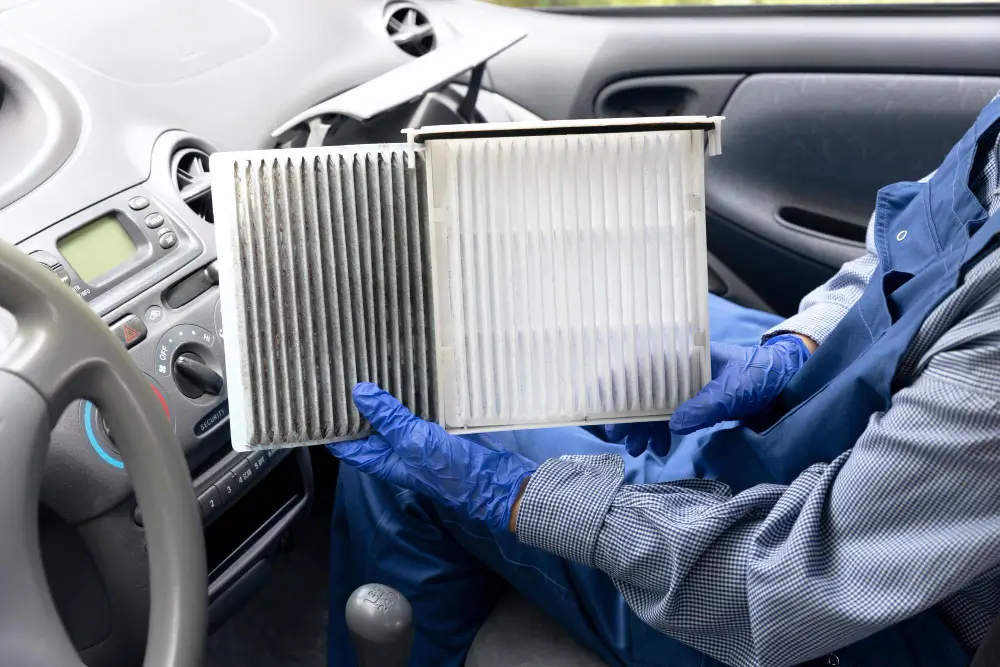
Air filters prevent dust, dirt, pollen, and debris from entering the engine, ensuring clean and efficient combustion. Understanding what counts as basic car maintenance includes recognizing the importance of replacing air filters on schedule. When the filter becomes clogged, airflow is restricted, resulting in reduced power, sluggish acceleration, and higher fuel consumption. Most manufacturers recommend replacing the air filter every 19,000–24,000 km (12,000–15,000 miles), although drivers in dusty environments may need more frequent replacements.
A clean air filter helps the engine breathe freely, improving overall engine performance and responsiveness. It also reduces the risk of poor combustion, which can lead to carbon buildup and long-term engine wear. Because air filter replacement is inexpensive and quick, it is one of the easiest and most effective ways to maintain engine efficiency and reliability, making it an essential part of basic car maintenance.
3. Monitor Tire Pressure and Tread Wear
Tires are the only parts of your vehicle that make direct contact with the road, so their condition is critical to safety and stability. You should check tire pressure at least once a month and rotate your tires every 9,600–12,800 km (6,000–8,000 miles) to ensure even wear. Driving with underinflated tires reduces fuel efficiency, weakens handling, and accelerates edge wear.
Regularly inspecting tread depth helps prevent skidding and hydroplaning and reduces braking distance in wet conditions. Uneven tread wear may also indicate alignment or suspension issues that need attention. Maintaining healthy tires improves traction, comfort, and overall driving confidence.
4. Test and Maintain the Battery
A healthy battery is essential for starting your vehicle, powering electronic systems, and ensuring reliable performance in all weather conditions. Modern cars depend heavily on electrical components—such as sensors, control modules, infotainment systems, and safety features—which all rely on a stable power supply. As a result, battery maintenance has become a crucial component of basic car maintenance, especially for drivers who frequently take short trips or use many in-car electronics.
Car batteries typically last 3–5 years, but they can be affected by extreme temperatures, improper charging, or infrequent driving. Heat accelerates internal corrosion, while cold temperatures reduce the battery’s ability to deliver power, making it harder for the engine to start. For this reason, periodic battery testing using a multimeter or a professional diagnostic tool is essential. A voltage reading below 12.4 volts often indicates that the battery’s health is declining or that the charging system isn’t functioning properly, which is another key aspect of basic maintenance for a car.
Regular inspection should also include checking for corrosion on the terminals, which can appear as white or blue-green residue. Corrosion restricts electrical flow and can lead to hard starts or complete power loss. Cleaning terminals with a baking-soda solution and a wire brush, and using proper protective equipment, helps maintain strong electrical connections. Ensuring the battery is securely fastened also prevents vibration-induced damage, which can shorten its lifespan.
Another important part of battery maintenance is monitoring the alternator, as a failing alternator can drain even a brand-new battery. If you notice dim headlights, slow engine cranking, electrical glitches, or dashboard warning lights, it’s a good idea to have the charging system inspected. For vehicles with start-stop systems or AGM/gel batteries, following the manufacturer’s guidelines is especially important, as these systems are more sensitive to voltage fluctuations.
By testing and maintaining your battery regularly, you reduce the risk of unexpected breakdowns, extend the lifespan of your vehicle’s electrical components, and ensure dependable performance year-round. Battery care is one of the most practical and cost-effective habits a driver can adopt, making it a vital part of basic vehicle upkeep.
5. Replace Wiper Blades and Maintain Visibility
Wiper blades are essential for maintaining clear visibility during rain, snow, and fog. They should be replaced every 12–24 months, or sooner if they begin to streak, skip, or make noise. Over time, the rubber deteriorates due to sunlight, dirt, and temperature changes, reducing its effectiveness.
Keeping the windshield clean also helps the wipers perform better and last longer. Good visibility reduces eye strain and boosts your reaction time in challenging weather conditions. Because wiper blades are inexpensive and simple to replace, they are an important part of safe vehicle maintenance.

6. Change Brake Pads and Inspect Braking System
Your braking system is one of the most critical safety components in your vehicle, and keeping it in top condition is essential for preventing accidents and ensuring reliable stopping power. Brake pads naturally wear down over time due to friction, especially during city driving, heavy traffic, towing, or driving on steep terrain. Most brake pads need replacement every 32,000–70,000 km (20,000–45,000 miles), depending on material quality and driving habits, but regular inspections are the best way to catch issues early.
Worn brake pads reduce braking efficiency, increase stopping distance, and can damage the brake rotors if the metal backing plate starts grinding against them. This can lead to expensive repairs that are easily avoided with timely pad replacement. Checking your brake thickness, listening for squeaking or grinding noises, and paying attention to vibrations or a “soft” brake pedal are all early warning signs. Because safe braking is a core part of what is basic maintenance for a car, routine checks should never be skipped.
Beyond brake pads, the full braking system includes rotors, calipers, brake fluid, brake lines, ABS components, and sensors. Brake fluid absorbs moisture over time, lowering its boiling point and reducing hydraulic pressure. This can cause brake fade during emergency braking or during prolonged downhill driving. Flushing brake fluid every 2–3 years helps maintain strong braking performance and protects internal components from corrosion.
Inspecting brake rotors is equally important. Warped or heavily scored rotors can cause pulsation in the brake pedal or steering wheel during braking. Calipers should also be checked for proper movement, as sticking calipers can cause uneven pad wear, overheating, or pulling to one side during braking. Even small issues can escalate into major failures if not addressed promptly.
A complete braking system inspection ensures maximum safety, smooth operation, and peace of mind while driving. Proper brake maintenance not only protects you and your passengers but also extends the lifespan of your vehicle’s critical components. By staying proactive with brake maintenance, you help ensure one of the most important aspects of vehicle reliability and overall road safety.
7. Check and Refill Car Fluids
Modern vehicles depend on a variety of critical fluids that support cooling, lubrication, hydraulic pressure, and safe system operation. Understanding how these fluids work is fundamental to basic car maintenance, as they directly affect reliability and long-term performance. These include coolant, transmission fluid, brake fluid, power steering fluid, differential fluid, engine oil, and windshield washer fluid. Each of these fluids degrades over time due to heat, contaminants, and continuous circulation, making regular checks essential. When any fluid becomes low or degraded, the system it supports becomes prone to overheating, wear, or complete mechanical failure.
Coolant, for instance, regulates engine temperature and prevents overheating—one of the most common causes of engine damage. Transmission fluid ensures smooth gear changes and protects internal gears from friction and breakdown. Brake fluid transfers hydraulic force from the pedal to the brakes, and even small drops in fluid quality can lead to dangerous brake fade. Regularly checking fluid quality, not just fluid level, can help detect early signs of leaks, contamination, or component wear.
Most manufacturers recommend checking fluids monthly and scheduling full fluid flushes at specific intervals based on mileage and driving conditions. Drivers who frequently tow, drive in extreme temperatures, or make short trips may need more frequent servicing. Spending a few minutes each month inspecting fluid reservoirs—either yourself or with a technician during routine service—can prevent thousands of dollars in repairs and significantly extend the lifespan of your vehicle’s most important systems. Proper fluid maintenance is one of the simplest yet most overlooked ways to ensure long-term vehicle reliability.
8. Replace Spark Plugs
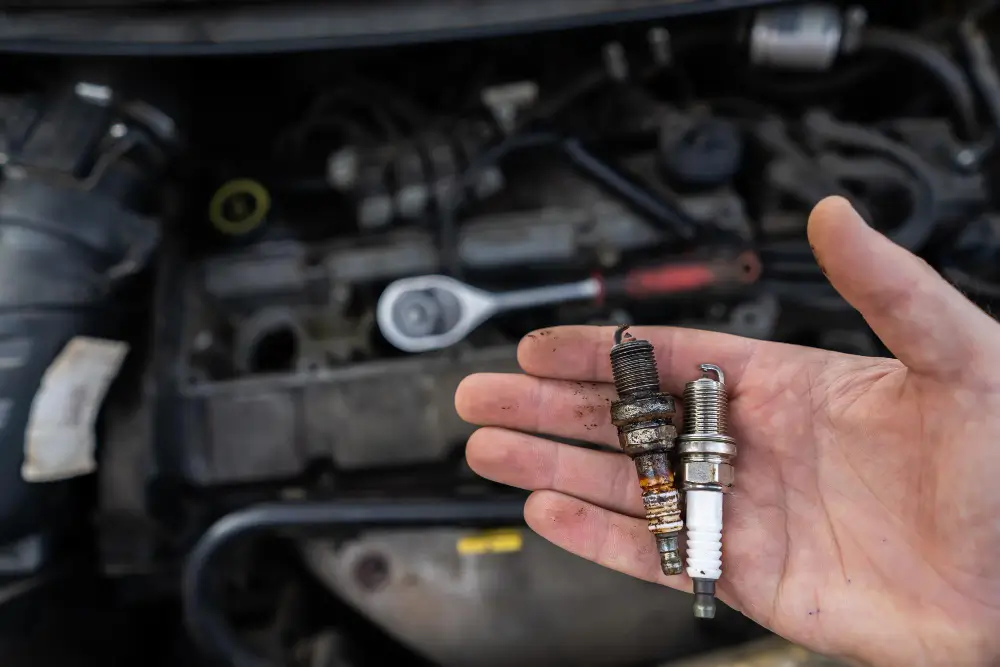
Spark plugs ignite the air–fuel mixture inside the engine, directly influencing power, efficiency, and smoothness. They typically need replacement every 48,000–160,000 km (30,000–100,000 miles), depending on the plug type and manufacturer recommendations. Worn spark plugs cause misfires, poor acceleration, rough idling, and increased fuel consumption.
New spark plugs restore proper combustion, helping the engine run more efficiently. They also reduce emissions and improve cold-start performance. Because spark plug replacement is a simple and affordable process, it is a highly effective way to maintain engine health.
9. Regular Professional Inspections
Even if you stay committed to consistent DIY maintenance, professional inspections offer a level of expertise and diagnostic precision that most vehicle owners cannot achieve on their own. Understanding basic car maintenance also means recognizing when a trained mechanic can detect hidden issues before they become serious problems. Certified mechanics use advanced diagnostic scanners, lift platforms, and specialized tools to inspect components that are difficult or impossible to examine from home. These inspections help uncover hidden issues such as slow leaks, worn suspension parts, early-stage electrical faults, and internal engine or transmission concerns. Identifying these problems early prevents them from turning into expensive, dangerous, or unexpected failures on the road.
A comprehensive inspection typically includes checking the braking system, suspension, drivetrain, steering components, exhaust system, filters, belts, hoses, battery health, tire condition, and fluid quality. Technicians also evaluate engine management systems, sensors, and emissions-related components using diagnostic software. Many modern vehicles rely heavily on electronic control units, and faults may not always trigger a dashboard warning light—making professional evaluations even more valuable.
Scheduling a full inspection once or twice a year allows experts to track changes over time and establish maintenance patterns tailored to your driving style and environment. Regular inspections contribute to smoother vehicle operation, better fuel economy, improved safety, and greater long-term reliability. For drivers who want peace of mind—especially those who travel long distances, commute daily, or rely on their vehicle for work—professional inspections are among the smartest and most cost-effective maintenance practices, completing the essential picture of basic car maintenance.
Conclusion
Now you know what basic maintenance for a car is, and how simple, consistent car care can:
- Extend vehicle lifespan
- Reduce repair costs
- Boost safety
- Maintain top performance
Follow these nine maintenance tasks and drive with confidence.
Would you like to know more about reliable cars? Check our Maintenance and Repair section of the blog.


