

Classic vs Vintage Cars: Key Differences, Timeline & Buying Guide

In this guide, we explore the key differences between classic and vintage cars, present a clear timeline of their historical classifications, and provide a practical buying guide for collectors and enthusiasts.
When it comes to the world of automobiles, there’s a debate that has raged on for decades – classic vs vintage cars. These two categories evoke nostalgia, craftsmanship, and automotive heritage that modern vehicles rarely replicate. But what exactly separates a classic car from a vintage one? Do you know? While the terms are often used interchangeably, they actually represent two very different eras in automotive history.
Contents
Quick Comparison Table: Classic vs Vintage Cars
| Feature | Classic Car | Vintage Car |
|---|---|---|
| Production Era | Typically 1950s–1980s | 1919–1930 |
| Engineering | Advanced mechanical systems | Early automotive technology |
| Driving Experience | Closer to modern vehicles | Requires unique driving skills |
| Rarity | Moderate | Extremely rare |
| Collector Value | High, depending on the condition | Often very high due to scarcity |
Timeline: Classic vs Vintage Cars
| Year | Automotive Milestone |
|---|---|
| 1908 | Ford Model T introduced mass production |
| 1919–1930 | Golden age of vintage automobiles |
| 1950s | Rise of stylish American classic cars |
| 1960s | Muscle car era and powerful V8 engines |
| 1980s | Modern classic vehicles begin to emerge |
Defining Classic and Vintage Cars
Classic cars are typically vehicles produced between the 1950s and the 1980s. These vehicles represent a period when automotive design focused heavily on style, performance, and mechanical simplicity.
Vintage cars are significantly older. They were generally produced between 1919 and 1930, during the early development of the automotive industry.
The Aesthetic Appeal: Classic Cars
Classic cars are celebrated for their bold styling and elegant craftsmanship. Vehicles from this era often feature distinctive body lines, chrome details, and powerful engines that helped define automotive culture.
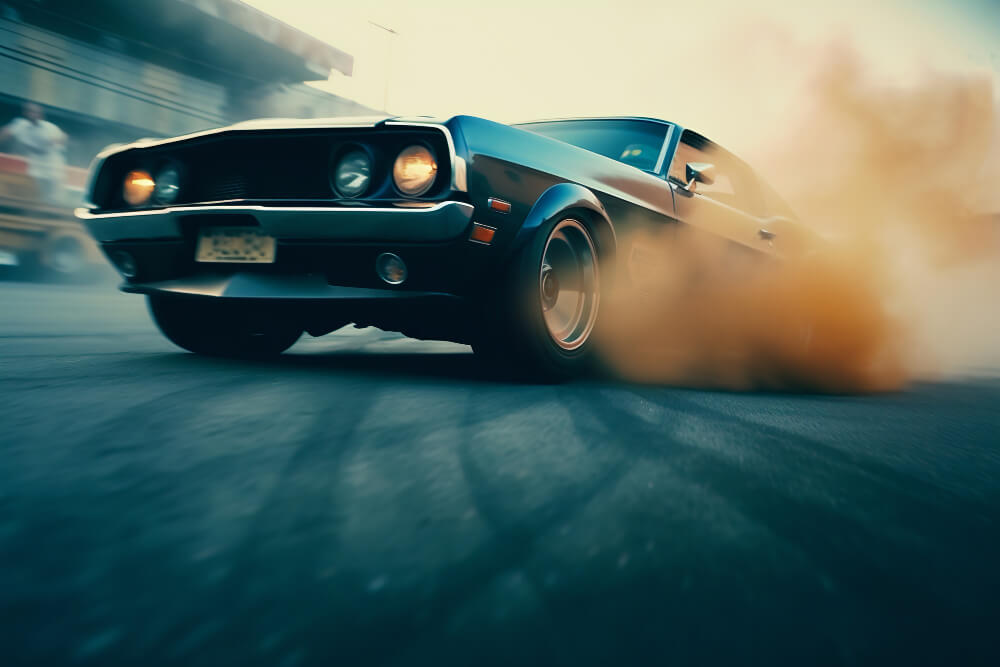
One famous example is the 1969 Chevrolet Camaro, which perfectly captures the muscle car era with its aggressive stance and iconic design.
The Pioneers: Vintage Cars
Vintage cars represent the pioneers of the automotive world. These early vehicles were produced when automobiles were still a revolutionary invention.
The Ford Model T is perhaps the most famous vintage automobile ever produced. Built between 1908 and 1927, it revolutionized transportation by making cars affordable to the average person.
Performance and Engineering: Classic Cars
Classic cars often feature impressive engineering for their time. Many vehicles from the 1960s and 1970s were equipped with powerful V8 engines and innovative mechanical designs.

Classic sports cars from brands such as Porsche introduced performance technologies that are still respected today.
Historical Significance: Vintage Cars
Vintage automobiles are valued primarily for their historical significance. These cars represent the early stages of automotive engineering and design.
Owning a vintage car is often more about preserving history than achieving performance or practicality.
Collectibility and Value
Both classic and vintage cars attract collectors, but their investment profiles differ.
Classic cars tend to have larger production numbers and are easier to find, making them more accessible to collectors.
Vintage cars are extremely rare, which often drives their value significantly higher at auctions.
Mini Buyer Guide
- Decide which automotive era interests you most
- Inspect the engine, chassis, and body condition carefully
- Research the availability of spare parts
- Calculate insurance and maintenance costs
- Consult classic car communities before purchasing
Restoration and Maintenance
Restoring a classic car is usually easier because replacement parts and specialist mechanics are more widely available.
Vintage cars often require custom restoration work, which can make the process significantly more expensive and time-consuming.
Driving Experience

Classic cars generally offer better driving comfort, improved suspension, and stronger braking systems compared with vintage vehicles.
Vintage cars require patience and a different driving style due to their early engineering and mechanical limitations.
Cultural Impact
Classic cars from the 1950s and 1960s became cultural icons and frequently appeared in movies, television shows, and music videos.
Vintage cars, on the other hand, serve as historical artifacts that represent the birth of the automotive age.
Environmental Considerations
Older vehicles naturally produce more emissions than modern cars. However, some classic cars can be upgraded with more efficient systems and components.
Vintage vehicles are typically preserved for historical purposes and are rarely used for daily transportation.
FAQ: Classic vs Vintage Cars
What is the difference between classic and vintage cars?
Vintage cars were typically produced between 1919 and 1930, while classic cars are usually vehicles older than 20–25 years that come from later automotive eras.
Are classic cars easier to maintain than vintage cars?
Yes. Classic cars usually have better parts availability and more mechanics familiar with their systems.
Which cars are better investments?
Vintage cars can command extremely high prices due to rarity, while some classic cars also appreciate significantly depending on demand and condition.
Where can I buy a classic car?
You can read our guide here: Classic Muscle Cars for Sale Under $10,000 and Classic Muscle Cars Under $20K.
Conclusion
The debate between classic vs vintage cars highlights two fascinating periods in automotive history.
Classic cars represent the golden age of automotive design and performance, while vintage cars showcase the early innovations that shaped the industry.
Whether you prefer the historical charm of vintage automobiles or the powerful character of classic cars, both continue to captivate enthusiasts around the world.