

9 Most Reliable Family Sedans Worth Buying
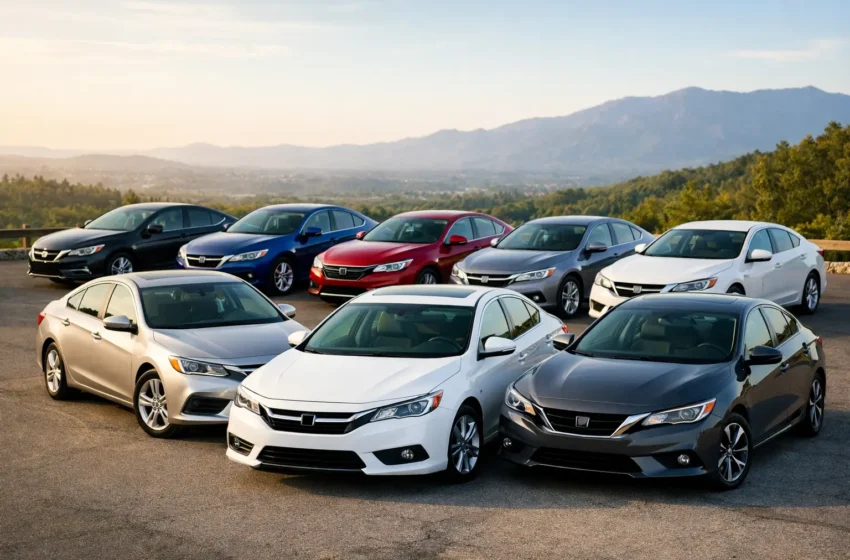
A family sedan only feels like a bargain until it starts eating wheel bearings, oil, and weekends. For most buyers, reliability is not some abstract score – it is whether the car starts every morning, survives school runs and road trips, and does not turn one surprise repair into a blown monthly budget. That is why the most reliable family sedans still matter, even in a market obsessed with crossovers.
This list is built for real ownership, not just showroom appeal. That means looking beyond flashy trims and focusing on drivetrains with strong track records, reasonable maintenance costs, solid safety reputations, and enough space to handle everyday family duty without drama. It also means being honest about trade-offs, because no sedan is perfect, and even the best ones can become expensive if you buy the wrong engine, transmission, or model year.
Contents
What makes the most reliable family sedans stand out?
A reliable family sedan usually gets the basics right before anything else. It has a proven engine, a transmission that is not known for early failure, parts that are easy to source, and a design that has had time to work out its weak spots. You also want a cabin that holds up to child seats, spills, heat cycles, and constant use without turning into a rattle trap by 70,000 miles.
The other part of the equation is predictability. Some cars are enjoyable when new but become ownership gambles as they age. The better family sedans tend to be less dramatic. They may not be the quickest or the most stylish in the class, but they usually make up for it with fewer expensive surprises and stronger resale value.
Best reliable family sedans to put on your shortlist
| Model | Why It Stands Out | Best For | Main Trade-Off |
|---|---|---|---|
| Toyota Camry | Excellent long-term durability, strong hybrid option | Families wanting low-risk ownership | Not the most engaging to drive |
| Honda Accord | Roomy interior, efficient powertrains, strong history | Buyers wanting space and balance | Some turbo years need closer research |
| Toyota Avalon | Camry-like reliability with more comfort | Families wanting near-luxury comfort | Larger footprint, discontinued |
| Lexus ES | Outstanding reliability with premium refinement | Shoppers stretching for luxury without pain | Higher upfront cost |
| Mazda6 | Sharp handling and generally solid dependability | Drivers who still enjoy corners | Rear seat trails class leaders |
| Subaru Legacy | Standard AWD and good safety credentials | Snow-belt families | CVT feel is not for everyone |
| Hyundai Sonata | High value and strong feature content | Budget-minded new-car buyers | Reliability varies more by year and engine |
| Kia K5 | Good warranty and solid practicality | Families wanting style for the money | Long-term record is shorter than Toyota or Honda |
| Nissan Altima | Comfortable ride and available AWD | Commuters prioritizing comfort | Older CVT reputation hurts confidence |
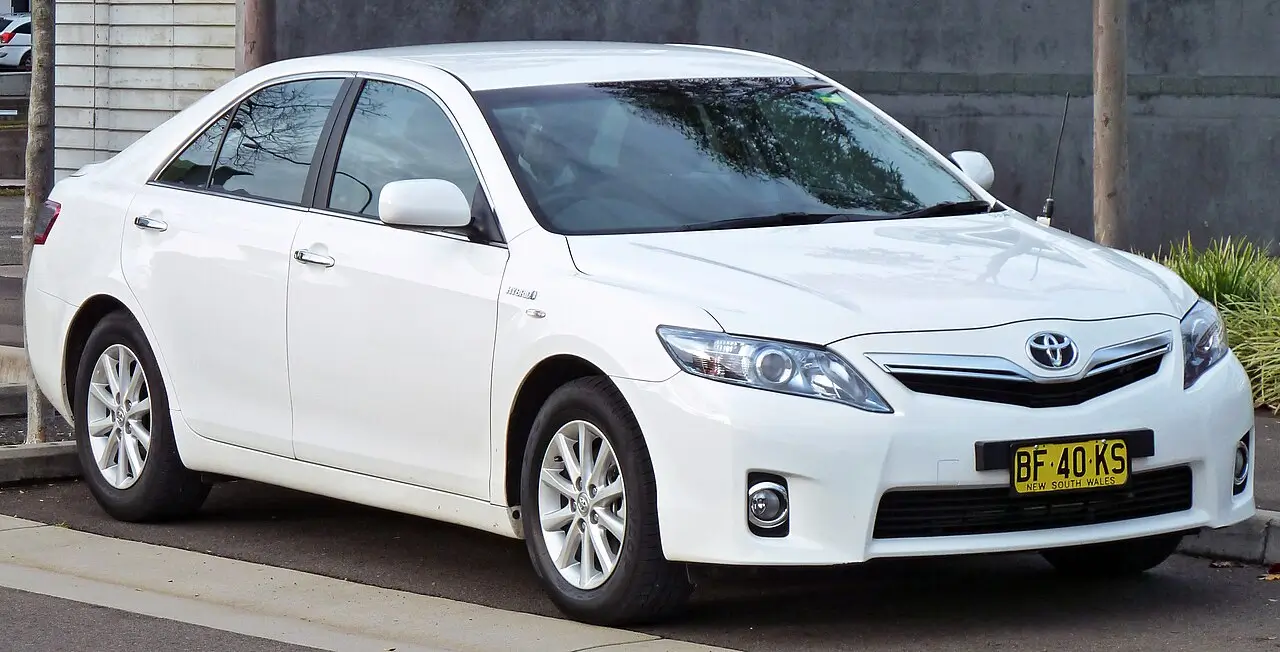
The Toyota Camry remains the safe bet for a reason. It is not exciting in base form, but its long-running formula works. The naturally aspirated four-cylinder models are especially hard to argue against for families who just want low-stress ownership. The hybrid adds another layer of appeal if you spend a lot of time in traffic and want fuel savings without stepping into EV life.

The Honda Accord is the all-rounder. It gives you a bigger-feeling cabin than many midsize rivals, a trunk that actually works for strollers and grocery runs, and a more polished driving experience than the Camry in many generations. The catch is that some Accord powertrains deserve more careful vetting than the old-school naturally aspirated Hondas people remember. That does not make it unreliable – it just means year-by-year research matters more.
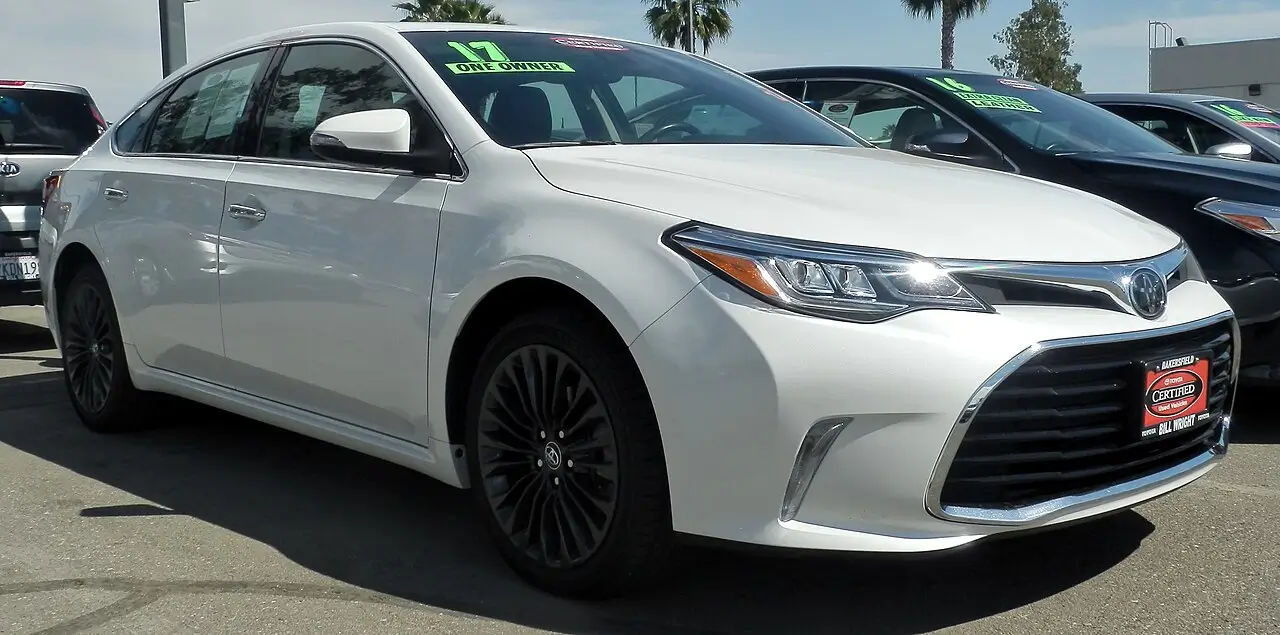
The Toyota Avalon is the sleeper pick. It is essentially what happens when Toyota takes the Camry formula and gives it a quieter cabin, more rear-seat comfort, and a grown-up road-trip vibe. Since it is discontinued, buyers will mostly be shopping used, but that can actually help the value.
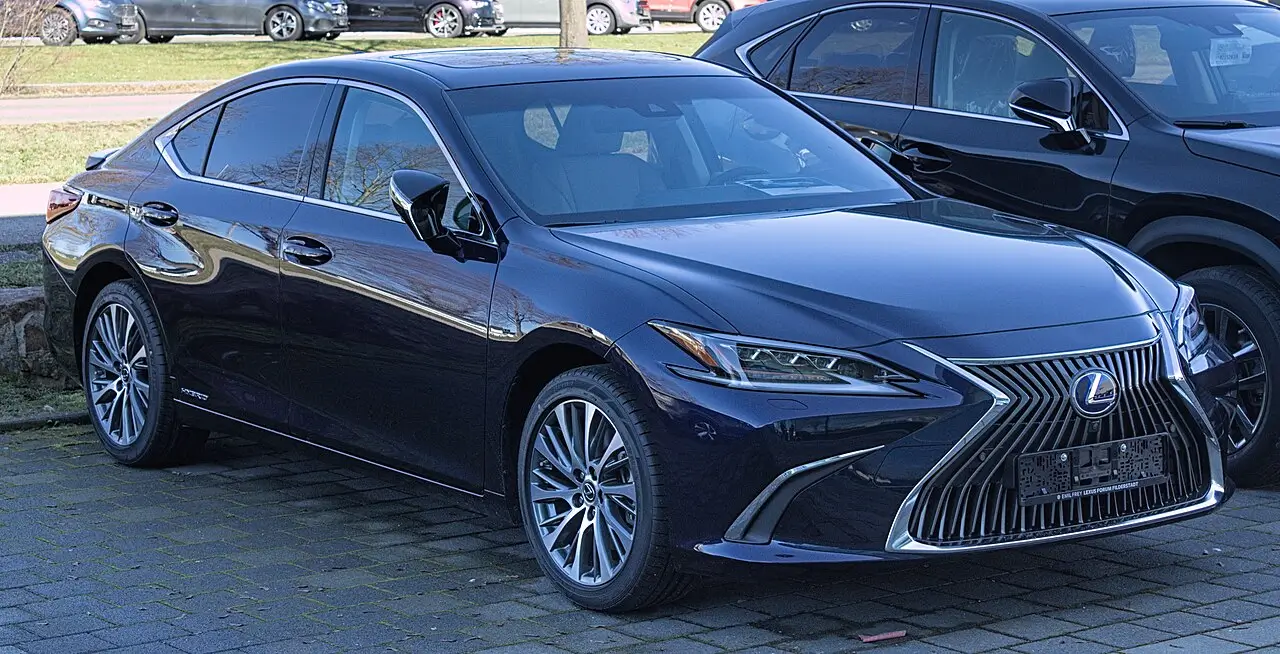
If your budget reaches a bit higher, the Lexus ES is one of the smartest premium buys in the segment. It is less athletic than some European sedans, but that is almost the point. You get comfort, low drama, and reliability that is much closer to mainstream Toyota ownership than luxury-car stereotypes would suggest.
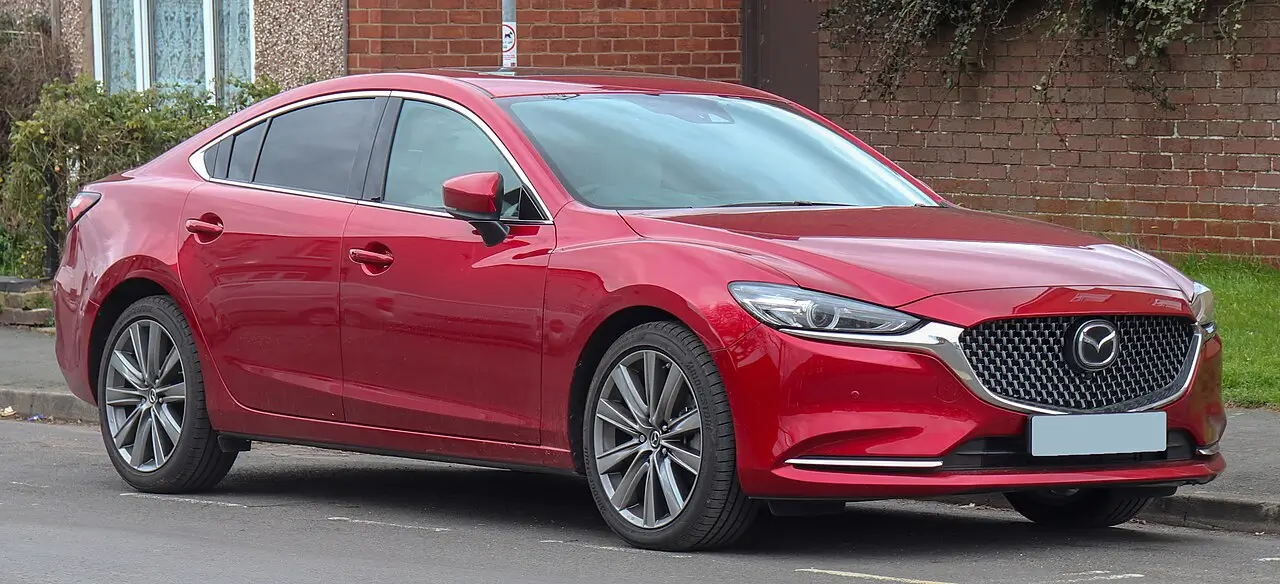
Mazda6 is for the buyer who still wants a pulse. It has long been one of the more rewarding midsize sedans to drive, and its reliability record is generally respectable. It is not the roomiest choice in the class, so families with multiple rear-facing child seats may find the Accord or Camry easier to live with.
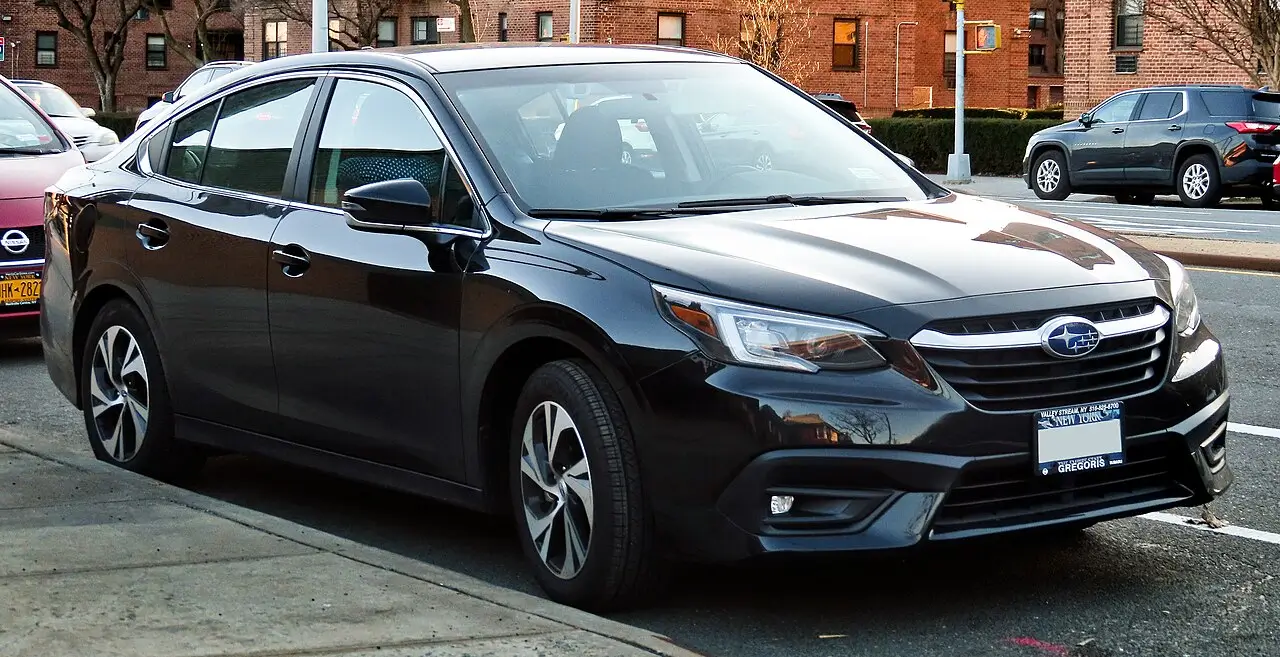
Subaru Legacy makes sense in places where winter is not theoretical. Standard all-wheel drive is a real advantage in snow states, and Subaru has improved a lot in refinement. Still, buyers need to be realistic about long-term maintenance and the fact that some people simply never warm up to CVT behavior.The
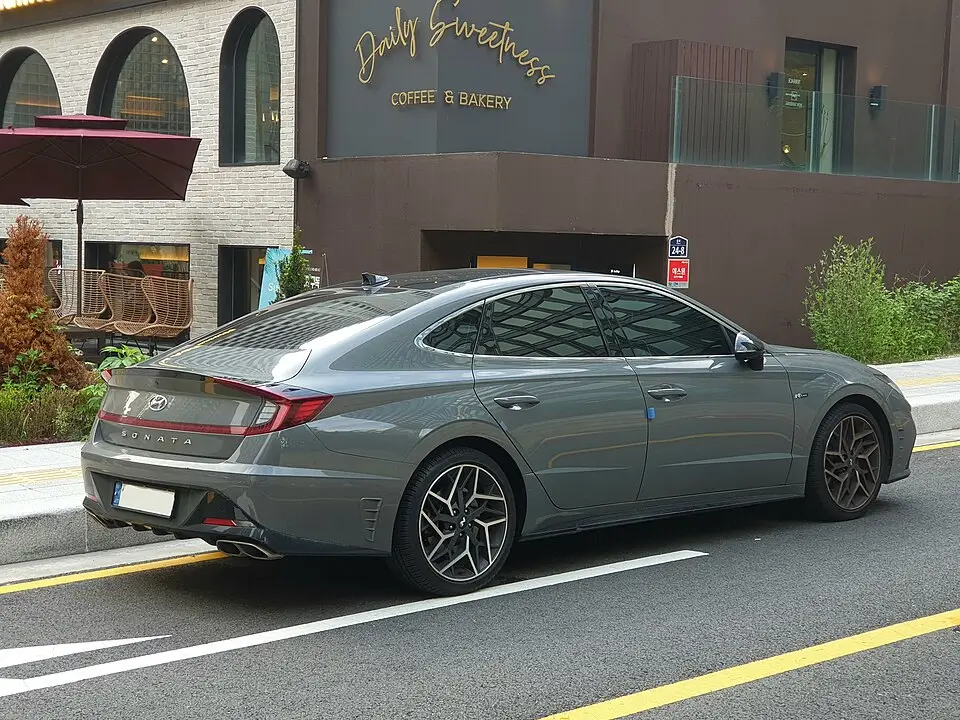
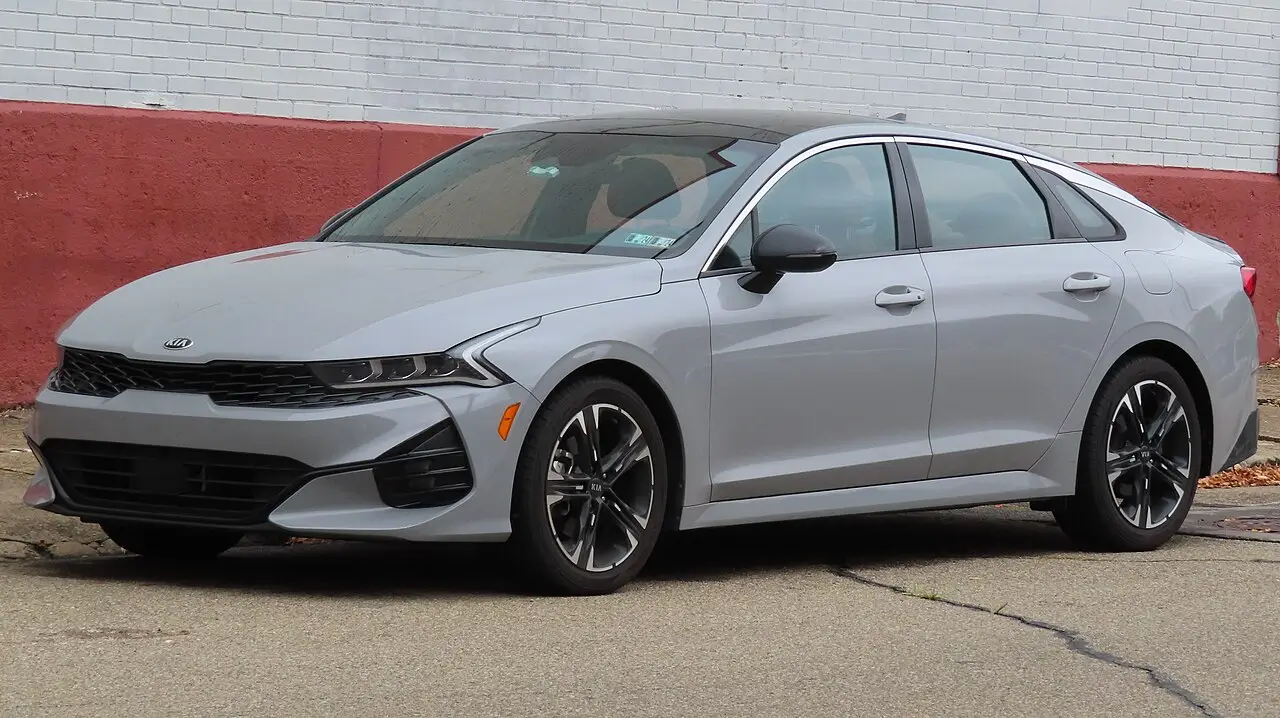
Hyundai Sonata and Kia K5 are strong value plays, especially for buyers looking at newer used or nearly new sedans packed with safety and tech features. The issue is not that they are bad cars. It is that their long-term reliability story is not as consistently bulletproof as that of Toyota and Lexus. If price and warranty matter most, they deserve a look. If absolute long-haul confidence matters most, they sit a step lower.
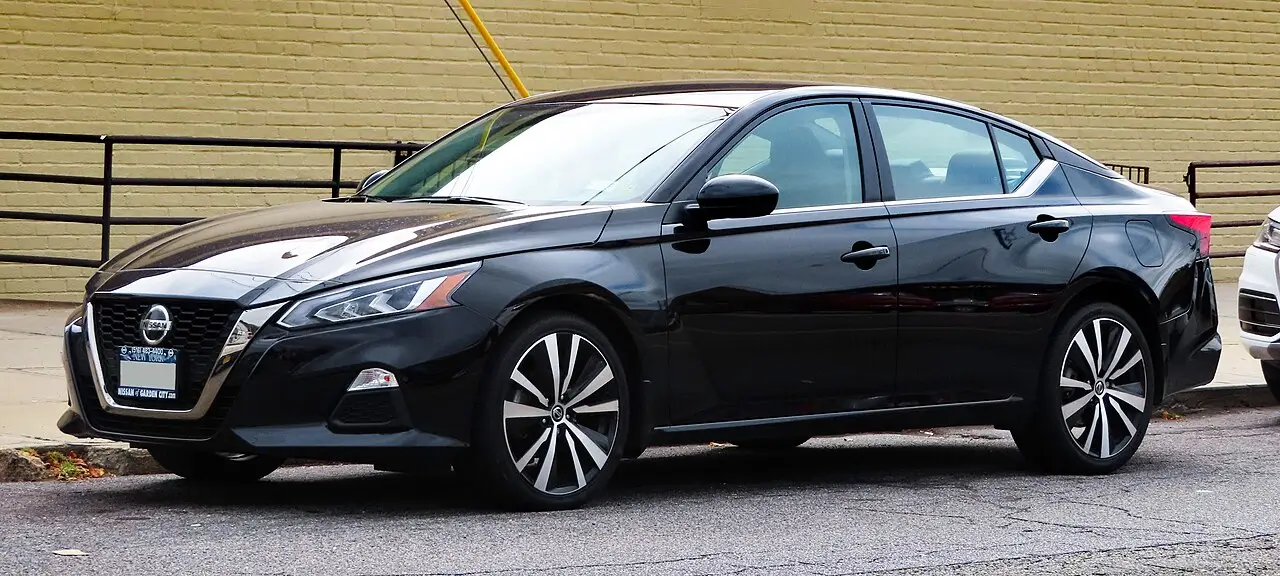
The Nissan Altima is a more cautious recommendation. Newer examples can be comfortable and practical, and available all-wheel drive is appealing. But older Nissan CVT concerns still shape buyer confidence, which is why the Altima does not land near the top of a reliability-first ranking.
How to choose between the most reliable family sedans
The best choice depends on what kind of reliability you actually need. If your goal is the lowest possible ownership stress over 10 years, the Camry, Avalon, and Lexus ES are hard to beat. If you want a better blend of driving feel and family usability, the Accord and Mazda6 make a stronger case.
Climate matters too. In warm urban or suburban commuting, a front-wheel-drive hybrid sedan often makes more sense than paying extra for all-wheel drive. In the Midwest or Northeast, a Legacy or Altima AWD can be worth considering if winter traction is a regular part of life.
Budget changes the answer as well. A used Avalon may be a smarter buy than a newer but less proven competitor at the same price. Likewise, a base Camry with a strong maintenance history is usually a better family car than a heavily optioned sedan with a sketchy service record.
What families should check before buying used
Even the most reliable family sedans can turn into headaches if they are neglected. A clean reputation is not a substitute for a used car inspection guide, and this is where a lot of buyers get burned. They trust the badge, skip the inspection, and later find worn suspension components, overdue transmission service, mismatched tires, or accident repairs done badly.
Before buying, focus on these basics:
- Service history matters more than trim level.
- Avoid first model years when possible.
- Check tire wear, transmission behavior, and cold-start noise.
- Make sure all driver-assist features and infotainment functions work.
- Look for signs of water leaks, especially around trunks and sunroofs.
For family use, also check the boring details that become daily annoyances. Make sure the rear doors open wide enough for child seats, the trunk opening is practical, and the rear seat does not force awkward installation angles. A sedan can be reliable and still be a pain to live with if it was never designed around real family gear.
Reliability versus cost – where buyers get it wrong
A cheap sedan is not always an affordable sedan. This is the trap. Buyers see a lower purchase price on something like an older premium European car and assume they are getting more car for the money. Sometimes they are. More often, they are buying into expensive parts, labor-heavy repairs, and electronics that age poorly.
The most reliable family sedans tend to win because they keep the full ownership equation under control. Fuel costs are reasonable, independent shops know how to work on them, parts availability is good, and resale stays healthy. That matters a lot more than having the biggest screen or the most horsepower in a school pickup line.
There is also a difference between reliability and durability. Some sedans can be trouble-free for the first 60,000 miles but become costly later. Others might need routine maintenance more often, yet still hold together well past 150,000 miles. For families buying used, durability is often the more important metric.
If you want the least risky answer, start with the Camry, Accord, Avalon, and Lexus ES, then narrow the field by budget, climate, and how much back-seat space your family actually needs. The right sedan is not the one with the best ad copy – it is the one you can trust on a freezing Monday morning when nobody has time for excuses.