
Best Used SUV With Lowest Maintenance Cost
That cheap used SUV can get expensive fast if it burns through brakes, eats suspension parts, or turns every check-engine light into a four-figure repair. If you are shopping for a used SUV with lowest maintenance cost, the real goal is not just buying something reliable. It is buying something that stays affordable after the paperwork is done.
That usually means avoiding complicated powertrains, rare parts, and luxury badges with mass-market expectations. The sweet spot is a proven SUV with a strong reliability record, easy parts availability, and no pattern of major engine or transmission failures. For most buyers, that points to a handful of familiar names.
Contents
What actually makes a used SUV cheap to maintain?
Maintenance cost is not just about oil changes. Plenty of SUVs are cheap during routine service but become money pits when common age-related repairs start stacking up. A low-cost used SUV usually gets three things right.
First, it has a simple, well-proven drivetrain. Naturally aspirated four-cylinder engines and conventional automatic transmissions tend to age better than turbocharged setups, CVTs with weak histories, or complicated all-wheel-drive systems with expensive failure points.
Second, it has volume on its side. If an SUV is sold in huge numbers in the US, parts are easier to find, independent shops know how to work on it, and used replacement components are everywhere. That alone can shave hundreds off repair bills.
Third, it avoids known major defects. Some SUVs look affordable until timing chain problems, oil consumption, head gasket issues, or electronic failures start showing up around 100,000 miles. The lowest-maintenance options are not perfect. They just avoid the big-ticket patterns that wreck ownership math.
Best used SUV with lowest maintenance cost picks
Toyota RAV4
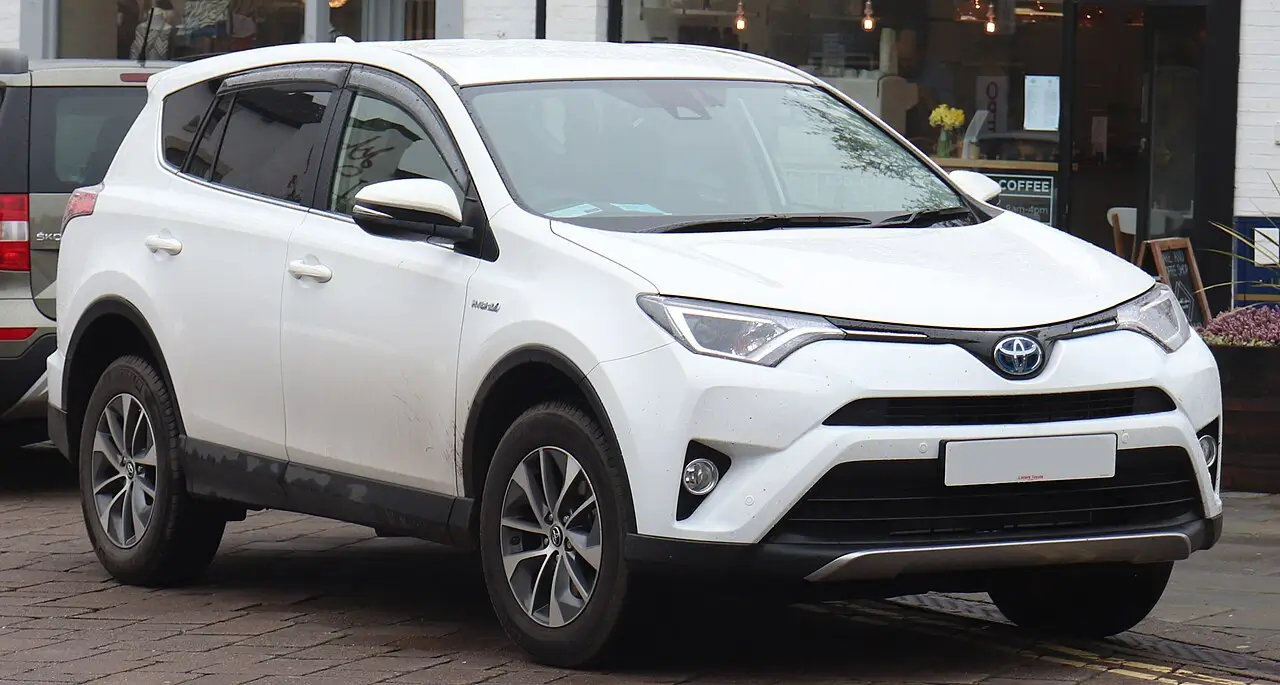
If you want the safest answer, the Toyota RAV4 is usually it. Older four-cylinder RAV4 models, especially those with conventional automatic transmissions, have a long track record of low drama. Routine maintenance is straightforward, parts are widely available, and most independent mechanics have seen enough of them to diagnose problems quickly.
The best value is often a well-kept gas model from the early to mid-2010s. These are old enough to be affordable but new enough to feel modern and usable as a daily driver. Watch for neglected fluid changes, worn suspension components, and the usual used-car basics, but catastrophic failures are relatively uncommon compared with much of the SUV market.
The trade-off is simple. You will usually pay more upfront for a used RAV4 because the market already knows it is dependable. But that higher purchase price often comes back in lower repair frequency and better resale value.
Honda CR-V
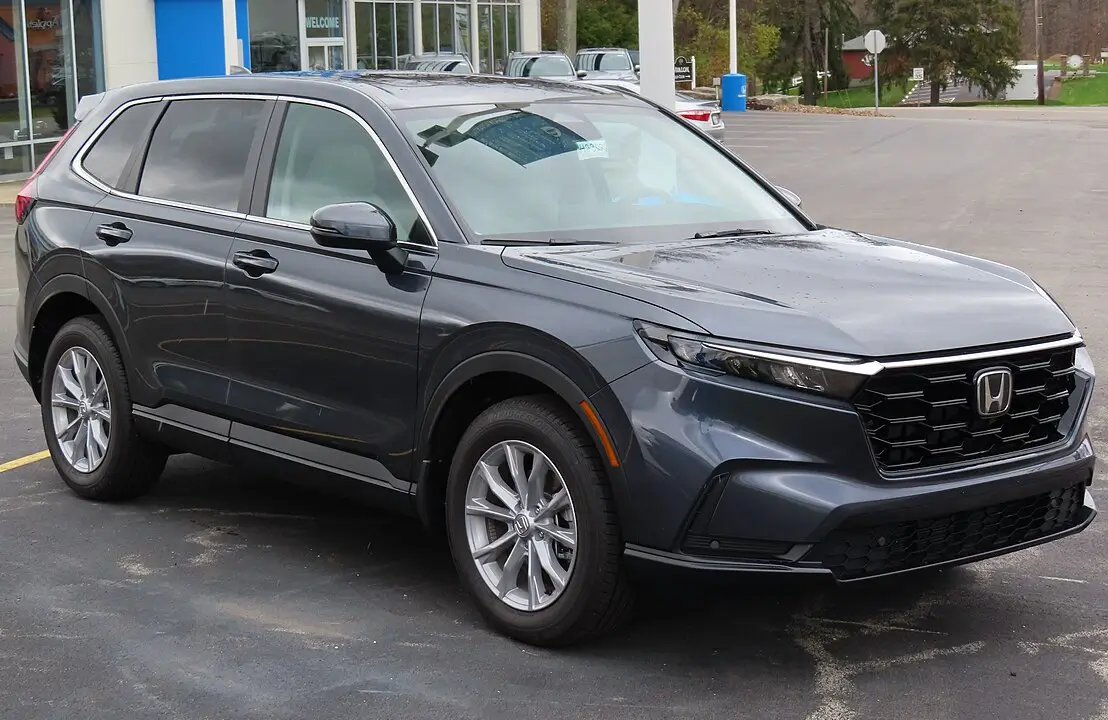
The Honda CR-V belongs near the top of any used SUV with lowest maintenance cost discussion, especially in naturally aspirated generations. It has a reputation for being easy to live with, efficient, and mechanically durable when serviced on time.
Earlier CR-Vs with simple four-cylinder engines can run for a long time without asking for much beyond normal wear items. It is also one of the easiest SUVs to own from a parts and labor standpoint. Shops know them well, and replacement parts are not exotic or overpriced.
Still, not every CR-V generation is equally safe. Some model years had issues with oil dilution, air conditioning failures, or other annoyances that are not catastrophic but can be frustrating. The smart move is to shop by generation and model year, not just by badge.
Toyota Highlander
If you need more space than a compact crossover provides, the Toyota Highlander is one of the strongest answers. It is not always the absolute cheapest SUV to service, but for a midsize family hauler, its ownership costs are usually impressively controlled.
The Highlander works because it blends Toyota reliability with mainstream parts pricing. The V6 models tend to be durable, and the overall platform has a strong history of aging well. That matters if you are buying something with three rows or extra cargo room and want to avoid the repair profile that often comes with larger SUVs.
Fuel economy is not as friendly as a compact RAV4 or CR-V, so total ownership cost can rise if you drive a lot. But pure maintenance and repair exposure are often better than many rivals in the same size class.
Mazda CX-5
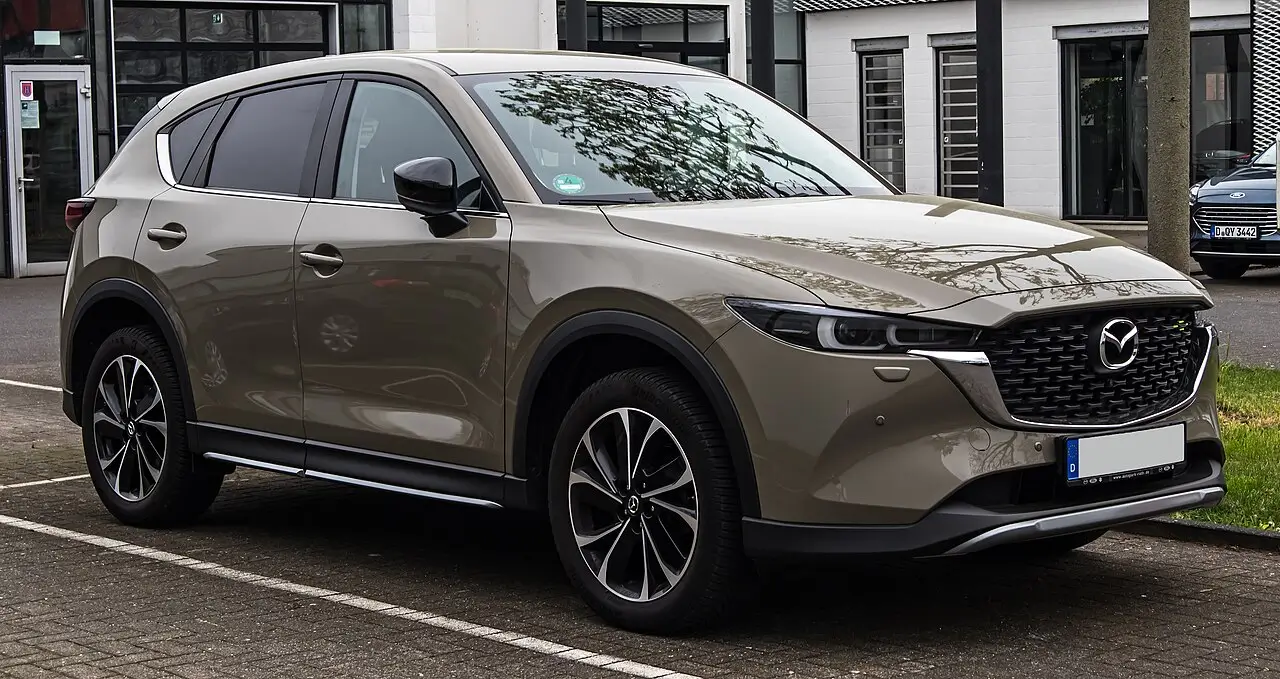
The Mazda CX-5 is one of the more interesting picks because it often feels nicer than its mainstream competition without bringing luxury-brand repair anxiety. A naturally aspirated CX-5 with Mazda’s Skyactiv engine can be a smart buy for someone who wants decent driving manners and manageable maintenance costs.
Mazda improved its long-term reputation considerably over the last decade, and the CX-5 benefits from that shift. Routine service is reasonable, common repair issues are generally less scary than on many turbocharged or premium alternatives, and the vehicle avoids a lot of the complexity that inflates ownership costs elsewhere.
The catch is that some buyers assume all Japanese SUVs are equally reliable. That is not true. The CX-5 is strongest when you stick to proven non-turbo trims and verify service history carefully.
Honda HR-V
If your needs are modest, the Honda HR-V can make more financial sense than moving up to a larger SUV. Smaller tires, lighter components, and good fuel economy all help the ownership equation, and Honda’s parts ecosystem keeps costs reasonable.
This is not the fastest or roomiest option, but that is part of why it can be cheaper to run. It is a useful choice for commuters, singles, or small households that want hatchback-like efficiency with SUV practicality.
Just do not buy one expecting midsize comfort or towing ability. Low maintenance cost only helps if the vehicle actually fits your life.
SUVs that look cheap but often cost more later
This is where buyers get trapped. A low listing price does not automatically mean low maintenance cost.
Older European luxury SUVs are the classic example. A used BMW X3, Audi Q5, or Mercedes-Benz GLK may look tempting once depreciation hits, but parts prices, labor rates, and electronic complexity can wipe out the savings quickly. They can be great vehicles when new or under the right ownership plan. They are usually not the best answer for someone chasing low long-term maintenance.
The same caution applies to certain domestic and mainstream models with weak transmissions, timing chain issues, or poor build consistency. Some Ford Escape, Chevrolet Equinox, and Jeep Compass model years can be affordable to buy but less predictable to own. That does not make every model bad. It means the margin for a bad purchase is much thinner.
How to shop for a used SUV with lowest maintenance cost
The badge gets you only halfway there. Condition decides the rest.
Service history matters more than almost anything else. A Toyota or Honda with skipped oil changes, old coolant, and deferred transmission service can become a headache. A less glamorous SUV with detailed records and careful ownership may be the better buy.
Mileage also needs context. A 120,000-mile RAV4 with highway use and regular maintenance can be a smarter purchase than an 80,000-mile SUV that did short trips, sat outside, and missed basic upkeep. Look at wear patterns, tire condition, underbody rust, and whether the seller can explain the maintenance timeline clearly.
Car-buying and selling advice is non-negotiable if you are serious about avoiding repair surprises. Spending for an independent mechanic to inspect the vehicle is a lot cheaper than discovering oil leaks, accident repairs, or a failing transmission after delivery.
The best choice for most buyers
If you want the most dependable all-around answer, the Toyota RAV4 is still the benchmark. If you want a similar value with a slightly different feel, the Honda CR-V deserves a close look. If you need more room, the Toyota Highlander is hard to beat. And if you want a used SUV that feels a bit more engaging without turning into a maintenance gamble, the Mazda CX-5 is the dark horse.
The real winner, though, is the one that combines a strong reliability record with a clean inspection and documented maintenance. That is the part buyers tend to underrate. A good model bought badly can be expensive. A smart example of the right SUV can stay cheap for years.
If your budget is tight, be patient. The best used SUV deals are usually the boring ones with complete records, stock condition, and owners who treated maintenance like part of the purchase price. That kind of boring is exactly what saves money later.