
Common BMW Cooling System Problems
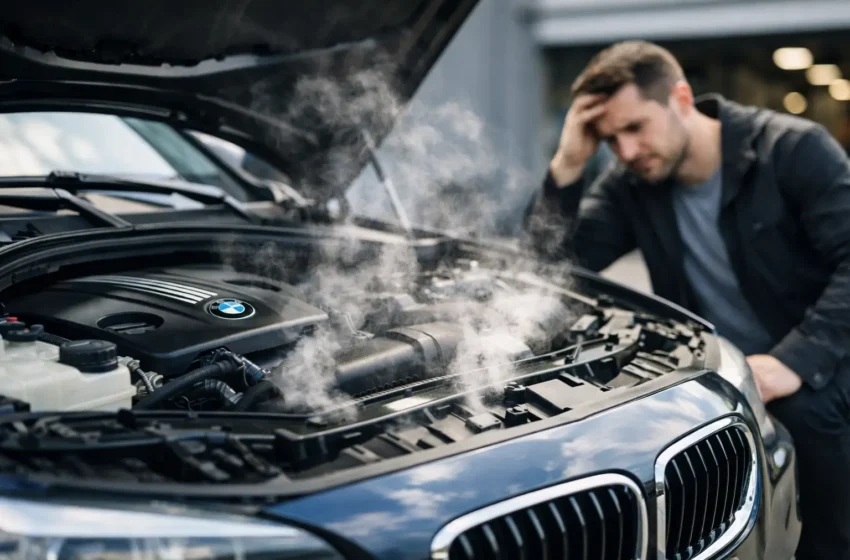
Common BMW cooling system problems get written up like a parts catalog on most sites: here’s what fails, here’s what it costs, good luck. That’s not how I want to walk you through this. A BMW that runs perfectly one week and overheats the next isn’t being dramatic — it’s following a pattern I’ve seen play out on 3 Series, 5 Series, X models, and even newer turbo cars more times than I can count.
If you’re shopping used or trying to keep your current BMW alive, this is one area where optimism gets expensive fast. BMWs are great to drive, but a lot of them rely on cooling system parts that age out before owners expect. Plastic gets brittle, electric water pumps fail without much warning, expansion tanks crack, and a small leak can turn into a warped cylinder head if you keep driving on it. That doesn’t mean every BMW is a bad bet. It means the cooling system deserves more attention than it would on a lot of Japanese or domestic rivals.
Contents
- Why common BMW cooling system problems matter so much
- The most common BMW cooling system problems
- What usually fails by era
- Warning signs you should not brush off
- Repair costs: annoying or wallet-crushing?
- Should you replace everything at once?
- Buying a used BMW? Inspect this first
- Can you prevent these problems?
- The real verdict on common BMW cooling system problems
Why common BMW cooling system problems matter so much
A cooling issue on a BMW is rarely just a cooling issue, and that’s something I bring up early because it changes how you should think about small leaks. Overheat an inline-six or turbo four even once, and the repair bill can jump from a few hundred dollars to several thousand. Modern BMW engines run hot for efficiency, packaging is tight, and a lot of these cars use a mix of plastic fittings, hoses, and tanks that don’t love age or repeated heat cycles.
There’s also a used-car buying angle I always flag for people. A BMW with an incomplete cooling system service history can look like a bargain right up until the first weak link breaks. I treat cooling system condition almost like a wear item category, especially once a car’s past 60,000 to 100,000 miles.
The most common BMW cooling system problems
Some failures show up again and again across the brand — I see the same handful every time. The exact weak point depends on engine family and generation, but the pattern’s consistent enough that I plan for it on every BMW I look at.
Water pump failure
On older BMWs, mechanical water pumps were a known pain point. On a lot of newer models, the electric water pump became the bigger concern I watch for. When it fails, coolant flow stops or gets inconsistent, and the car can overheat quickly. Electric pumps are convenient for engine management, but they aren’t cheap and they tend to fail more suddenly than owners expect.
Typical signs include overheating warnings, the radiator fan running hard, reduced power mode, or coolant temperature fluctuations. On turbo BMWs with electric pumps, I’d rather replace it proactively once mileage climbs than wait for it to fail on the road.
Thermostat issues
A stuck thermostat can cause slow warm-up, poor heater performance, or overheating. BMW thermostats are often built into more complex cooling strategies, so when they fail, the car might throw fault codes or behave inconsistently instead of just running hot all the time.
I usually have these replaced together with the water pump, since the labor overlaps and the failure patterns are related — it just makes sense to knock both out at once.
Expansion tank cracks
This is one of the classic BMW weak points, and it’s the one I check first on any used BMW. The expansion tank, often made of plastic, sits exposed to constant heat cycling and pressure. Over time it can crack, leak around seams, or fail at the hose connection points.
A tiny tank leak might start as a faint coolant smell or a low coolant warning. Ignore it, and you can go from topping off coolant to a roadside overheat surprisingly fast.
Radiator and hose leaks
Radiators, upper and lower hoses, hose necks, and quick-connect fittings all age. On BMWs, the problem isn’t always the radiator core itself — it’s often the plastic end tanks or connectors. Once those parts get brittle, even routine service can trigger a break.
This is why I’ll sometimes tell someone to replace several cooling parts at once instead of chasing one leak at a time. It costs more upfront, but it saves labor and avoids repeat breakdowns.
Coolant flange and plastic fitting failures
BMW uses a lot of plastic in places that see heat and pressure. Coolant flanges, bleeder screws, Y-connectors, and smaller junction pieces can all become failure points. None of these parts are expensive individually, but they can be hard to access, and a cheap fitting can still strand you on the side of the road.
Fan and sensor problems
Not every overheating complaint is a major hardware failure. Sometimes it’s a bad coolant temperature sensor, a fan control problem, or an electric fan that’s stopped doing its job. The catch is that these failures can mimic the bigger, scarier problems, so I always want a proper diagnosis before anyone starts throwing parts at it.
What usually fails by era
| BMW era/type | Common cooling weak points | Ownership takeaway |
|---|---|---|
| 1990s to mid-2000s inline-six models | Expansion tank, radiator neck, water pump, thermostat, hoses | Preventive refresh is often smarter than piecemeal repair |
| Late 2000s to 2010s turbo BMWs | Electric water pump, thermostat, plastic fittings, coolant leaks | Budget for pump and thermostat replacement at higher mileage |
| SUVs and heavier BMW models | Same issues, often under more thermal stress | Cooling neglect gets expensive faster on heavier vehicles |
Warning signs you should not brush off
A lot of owners get caught because the first signs seem minor. BMW cooling systems don’t always give you a long grace period.
Watch for these symptoms:
- Sweet coolant smell after driving
- Low coolant warnings or repeated top-offs
- Temperature spikes in traffic
- Heater blowing cool air unexpectedly
- White residue around hoses, tank seams, or radiator edges
- Fan running loudly for long periods
- Limp mode or overheating messages
If a BMW’s overheated even once, I wouldn’t assume you got lucky. It may be fine, or it may now have hidden head gasket or cylinder head damage. It depends on how hot it got, how long it ran that way, and which engine’s involved.
Repair costs: annoying or wallet-crushing?
Cooling system repair costs on a BMW vary a lot by model, engine layout, and whether you use an independent shop or a dealer. DIY can help, but some of these jobs are messy and model-specific enough that I wouldn’t call them beginner-friendly. If you want a second opinion on any quote you’re handed, RepairPal’s independent cost estimator is a decent gut check before you agree to anything.
| Repair | Typical independent shop range | Typical dealer range |
|---|---|---|
| Expansion tank replacement | $250-$500 | $450-$800 |
| Radiator hose or fitting repair | $200-$500 | $350-$750 |
| Thermostat replacement | $350-$800 | $600-$1,100 |
| Electric water pump and thermostat | $900-$1,800 | $1,300-$2,400 |
| Overheat-related engine damage | $3,000 and up | Potentially far higher |
Those numbers are broad estimates, but they show the real ownership math. Replacing a weak pump before it fails can feel painful. Replacing an engine because you kept driving with an overheating warning is far worse.
Should you replace everything at once?
Sometimes yes, sometimes no. If you’ve got an older BMW with 80,000 to 120,000 miles and several original cooling parts still in place, a full or partial cooling system refresh is usually the smart play. That typically means the water pump, thermostat, expansion tank, upper and lower hoses, and sometimes the radiator.
If your BMW’s newer and the issue is clearly isolated, replacing only the failed part can be reasonable. The trade-off is simple: lower immediate cost versus a higher chance of another age-related failure soon after. Enthusiasts hate paying for the same labor twice, which is why bundled cooling work is so common.
Buying a used BMW? Inspect this first
This is where I get protective on someone’s behalf. A shiny used BMW with strong service records is one thing. A cheap one with mystery coolant history is another, and I’d never tell someone to skip the paperwork just because the car looks clean in photos.
Before buying, check for:
- Evidence of coolant leaks around the tank, radiator, water pump area, and hose connections
- Records showing pump, thermostat, or tank replacement
- Signs of prior overheating, including warning history if available
- Milky oil, rough running, or exhaust smoke that could hint at bigger damage
- Cheap aftermarket cooling parts installed poorly
A pre-purchase inspection is worth it here. On BMWs, cooling system neglect is one of the easiest ways for a good-looking used car to turn into a bad financial decision.
Can you prevent these problems?
You can’t fully prevent age-related plastic failure, but you can lower the odds of a roadside surprise. Regular inspections matter more than most owners realize. So does using the correct coolant and paying attention to small leaks before they turn into pressure-loss problems.
The best prevention habits are straightforward:
- Inspect hoses, tank seams, and fittings at every oil change
- Replace aging parts before they fail catastrophically
- Don’t ignore low coolant warnings, even if the car seems to drive fine
- Stop driving if the car shows an overheating warning
- Use a BMW-savvy independent mechanic if you’re not doing the work yourself
This is one of those areas where ownership style matters. If you want a BMW to behave like an appliance, the cooling system will test your patience. If you treat it like a performance car with known maintenance patterns, it’s a lot easier to manage.
The real verdict on common BMW cooling system problems
Common BMW cooling system problems aren’t a reason to avoid every BMW, but they’re absolutely a reason to budget realistically and inspect carefully. The best BMW ownership experiences I’ve seen come from people who stay ahead of these failures instead of reacting to them after the temperature warning lights up.
If I had to boil this down to one piece of advice, it’s this: treat the cooling system like a maintenance item, not an emergency fund. If you’re buying used, assume cooling system history matters almost as much as mileage. If you already own one, deal with small leaks and aging parts now, while it’s still a repair and not an engine story.
Helpful independent resources: RepairPal · NHTSA · your vehicle's owner's manual