

Hybrid vs. Gas vs. Electric: Which Should You Buy in 2026?
When you’re weighing hybrid vs gas vs electric, there’s no single right answer — only the right one for how you actually drive. I’ve watched buyers make expensive mistakes in both directions: someone commuting 80 miles a day on the highway buying a plug-in hybrid that never gets a chance to run on electricity, or a city driver who barely uses 20 miles a day paying a premium for a full EV’s long-range battery they’ll never need. This guide walks through when each option actually makes sense, based on real ownership costs rather than marketing claims.
I’m not going to tell you one powertrain is objectively better than the others, because that’s not how this decision actually works. It comes down to where you live, how far you drive each day, whether you have access to home charging, and how long you plan to keep the car. Get those four answers straight first, and the rest of this guide will point you toward the right category fast.
Contents
- Quick Comparison: Hybrid vs Gas vs Electric
- When a Gas Car Still Makes Sense
- When a Hybrid Makes Sense
- When a Plug-In Hybrid Makes Sense
- When a Fully Electric Car Makes Sense
- Real-World Cost of Ownership Comparison
- Common Concerns: Batteries, Range, and Charging
- Buying Used by Powertrain Type
- Common Questions
- Final Thoughts
Quick Comparison: Hybrid vs Gas vs Electric
Here’s how hybrid vs gas vs electric stacks up at a glance:
| Factor | Gas | Hybrid | Electric |
|---|---|---|---|
| Upfront cost (used) | Lowest | Moderate | Highest (unless heavily depreciated) |
| Fuel/energy cost | Highest ongoing | 30-40% less than gas | Lowest per mile if charging at home |
| Maintenance | Moderate | Slightly higher (two systems) | Lowest (fewer moving parts) |
| Range/refuel time | Best for long trips | Best of both worlds | Needs planning on road trips |
| Best for | Rural driving, no charging access | Mixed city/highway driving | Short commutes, home charging available |
When a Gas Car Still Makes Sense
I’d never tell someone to buy an EV just because it’s trendy. If you live somewhere without reliable access to home or public charging, or you regularly drive long distances through areas with sparse charging infrastructure, a gas car remains the simpler, more predictable choice. Gas vehicles also tend to be cheaper to buy used, and repair costs are well understood by nearly every mechanic in the country — that matters if you’re budget-conscious or don’t have an EV-specialized shop nearby.
There’s also the resale and financing side to consider. Gas cars have decades of established loan and insurance history behind them, so lenders and insurers price them predictably — I’ve seen buyers get surprised by higher insurance quotes on EVs simply because repair parts and specialized labor cost more. If you’re someone who keeps a car for 10+ years and drives in an area where a dealership or independent gas mechanic is always within reach, that predictability is worth something real, not just nostalgia. For a fuller picture of the tradeoffs, my breakdown of reasons not to buy an electric car covers the practical downsides that marketing tends to gloss over.
When a Hybrid Makes Sense
Hybrids are the pragmatic middle ground, and in my experience they’re the option most buyers should seriously consider first. You get meaningfully better fuel economy without range anxiety or charging logistics — the car handles the switching between gas and electric power on its own. Where hybrids really shine is stop-and-go city driving, where regenerative braking recovers energy that a gas engine would simply waste. I’ve laid out the full cost picture in my comparison of hybrid vs. gas ownership, and if you want the maintenance side specifically, hybrid vs. gas maintenance costs breaks down what actually costs more over five years.
One thing I always tell people: don’t judge a hybrid purely on the sticker price premium over the gas equivalent — how fast it pays off depends entirely on your annual mileage and how much of it is city driving. I break down the exact payback math, with real numbers, in my hybrid vs. gas ownership guide.
When a Plug-In Hybrid Makes Sense
A plug-in hybrid (PHEV) only pays off if your daily driving fits within its electric-only range — typically 20-40 miles depending on the model. If you can charge at home and your commute is short, you might run almost entirely on electricity most days while still having a gas engine for longer trips with zero range anxiety. But if you can’t charge regularly, you’re just carrying around a heavier battery pack for no real benefit. I go deeper into the math in my piece on plug-in hybrid gas mileage, and if you’re unclear on how charging works day-to-day, does a hybrid need to be charged clears up the confusion between standard and plug-in hybrids.

The one mistake I see most often with PHEV shoppers: buying one and then never actually plugging it in. At that point, you’ve paid a premium for a heavier, more complex car and gotten almost none of the benefit — you’re better off with a standard hybrid in that scenario, since it doesn’t rely on you changing your habits to deliver savings.
When a Fully Electric Car Makes Sense
A full EV makes the most sense if you have reliable home charging, your daily driving comfortably fits within the car’s range, and you’re not relying on it for frequent long road trips without planning. The ongoing savings on fuel and maintenance are real — I’ve seen owners cut their monthly running costs by more than half compared to an equivalent gas car. Whether that math works for a used purchase specifically is a separate question, which I cover in is buying a used EV worth it. There’s also a genuine environmental case, which I break down in the benefits of electric cars to the environment — though I’d never suggest that alone should override your practical needs.
The other thing worth knowing before you commit: not every EV depreciates the same way. Some models hold value reasonably well, while others have dropped fast enough that early buyers took a real hit on resale. If you’re shopping used specifically, that depreciation curve can actually work in your favor — you’re often getting last year’s technology at a meaningful discount, without eating the steepest part of the value drop yourself.
Real-World Cost of Ownership Comparison
The sticker price is only the starting point. Over five years, a hybrid typically saves several thousand dollars in fuel compared to an equivalent gas car, while an EV can save even more — but only if home charging rates stay reasonable and you’re not paying premium public charging prices regularly. My full cost breakdown for EVs specifically is in maintenance costs of electric cars, and if you’re weighing a hybrid’s biggest long-term expense, I’ve covered exactly what to expect in my hybrid battery replacement cost guide — it’s usually the single number that changes people’s minds one way or the other.
I’d also factor in resale timing. If you plan to keep the car eight-plus years, the higher upfront cost of a hybrid or EV has more time to pay itself back through fuel and maintenance savings. If you tend to trade in every three years, that math looks different, and a gas car’s lower purchase price might actually come out ahead once you account for depreciation on both sides.
Common Concerns: Batteries, Range, and Charging
Battery degradation is the concern I hear most often, and it’s a fair one to raise — but it’s also frequently overstated. Most modern hybrid and EV batteries are built to outlast the rest of the car with reasonable care. What actually accelerates degradation is heat, frequent fast-charging to 100%, and letting the battery sit at very low charge for extended periods — none of which are hard to avoid with a bit of basic awareness.
Range anxiety, meanwhile, tends to fade fast once an owner gets a feel for their actual daily usage versus the car’s EPA-rated range; the gap between “rated” and “real-world” range is usually smaller than people expect once you factor out extreme weather and highway speeds above 75 mph.
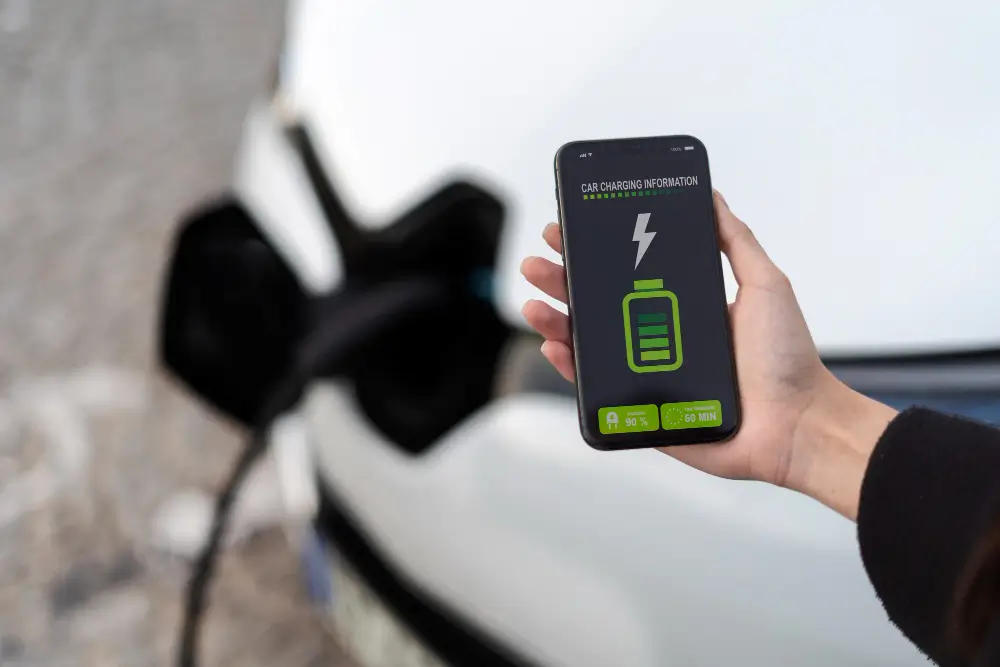
I’ve put together practical guidance on how to maintain a hybrid battery so it lasts as long as possible, and if you’re specifically looking at a used Tesla, how long Tesla batteries actually last covers real-world degradation data rather than worst-case scenarios. On the charging side, if you’re new to EV ownership, my guide on how to charge an electric vehicle walks through home versus public charging and what it actually costs.
Buying Used by Powertrain Type
Shopping used changes the calculation for all three options, since depreciation hits EVs and hybrids differently than gas cars. I always recommend asking for the battery health report or state-of-health percentage on any used hybrid or EV before you buy — most manufacturers or third-party tools can pull this, and it tells you far more about the car’s real condition than mileage alone. If you’re looking at a used Tesla specifically, I’ve reviewed one in detail in my used Tesla Model 3 review.
On the hybrid side, budget shoppers should see my list of used hybrid cars under $10,000, and if highway driving is your priority, the best hybrid cars for highway driving narrows down the field further. For anyone who wants hybrid efficiency in an SUV body style, the best used small SUV hybrids is worth a look too.
Common Questions
Do hybrids really save money in the long run?
Usually, yes — but the payoff period depends heavily on how much you drive and current gas prices. City-heavy drivers see the fastest payback because hybrids excel at stop-and-go driving; someone who mostly drives highway miles will see a smaller advantage.
Is charging an EV at home actually worth it compared to gas?
In most cases, yes, assuming you have access to off-street parking and reasonable electricity rates. The math gets less favorable if you’re relying entirely on public fast charging, which typically costs several times more per mile than home charging.
How long do hybrid batteries actually last?
Most manufacturers warranty hybrid batteries for 8-10 years, and real-world data suggests many last well beyond that with normal care. Replacement, when it does happen, is a real cost worth budgeting for — but it’s rarely the sudden, catastrophic expense some buyers fear.
Final Thoughts
If I had to boil the hybrid vs gas vs electric decision down to one piece of advice: match the powertrain to your actual driving pattern, not to what feels trendy or what a dealer pushes hardest. A gas car isn’t outdated if it fits your life, and an EV isn’t automatically the smart choice just because it’s newer technology. Keep an eye on where the broader market is headed too — I track EV industry trends and current automotive market trends regularly, since pricing and availability across all three categories keep shifting year to year.