
Why Not to Buy an Electric Car: 8 main reasons

A friend of mine walked onto a dealer lot last spring completely sold on going electric — cash ready, mind made up — until the salesman mentioned the nearest fast charger was almost forty minutes from the town he was moving to. He drove home in a plug-in hybrid instead, and that moment sums up why not to buy an electric car better than any spec sheet does: the friction shows up in real life, not on paper.
Electric cars aren’t a bad choice — for plenty of drivers, they’re the right one. But the friction points that actually change people’s minds at the point of purchase rarely make it into the brochure. Here are the eight main reasons — some of them brutal — that come up again and again, laid out honestly.
| Reason | Why It Trips Buyers Up | Bottom Line |
|---|---|---|
| Charging infrastructure | Rural and highway coverage still lags far behind cities | Great for commuters, riskier for road trips |
| Upfront cost | EVs typically cost more than comparable gas models before rebates | Incentives help, but rarely close the whole gap |
| Model selection | Fewer body styles, trims, and price points than gas lineups | Improving yearly, still limited today |
| Range anxiety | Real-world range drops in cold weather and at highway speed | A trust issue as much as a technical one |
| Refueling time | Even fast charging takes longer than a gas fill-up | A non-issue at home, a real delay on trips |
| Battery production impact | Lithium and cobalt mining carries real environmental costs | Doesn’t cancel the benefits, but complicates the “zero emissions” pitch |
| Maintenance costs | Fewer moving parts, but specialized techs and parts aren’t cheap | Different cost profile, not a free ride |
| Energy source dependency | Emissions savings depend on the local power grid | Know your grid before you claim it’s “clean” |
Contents
1. Limited Charging Infrastructure
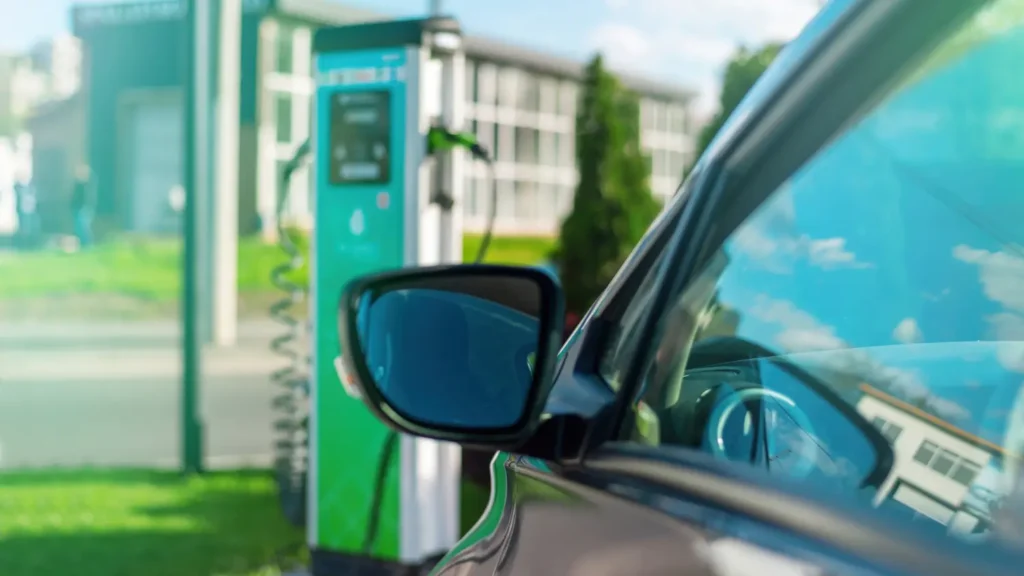
Charging infrastructure is the one factor that trips up more buyers than any spec sheet. City dwellers usually do fine — plenty of public chargers, workplace charging, retail lots with a bank of Level 2 stations. Head into rural territory, though, and the picture changes fast. The Department of Energy’s Alternative Fuel Data Center tracks this gap well: public charging density drops sharply once you leave metro areas, and that’s exactly what turns a routine road trip into a stressful one.
That gap is where range anxiety actually comes from — not a vague fear of running low, but the specific fear of sitting thirty miles from the nearest working charger with no backup plan. It’s a real cost of ownership, even if it never shows up on a window sticker.
2. High Initial Cost
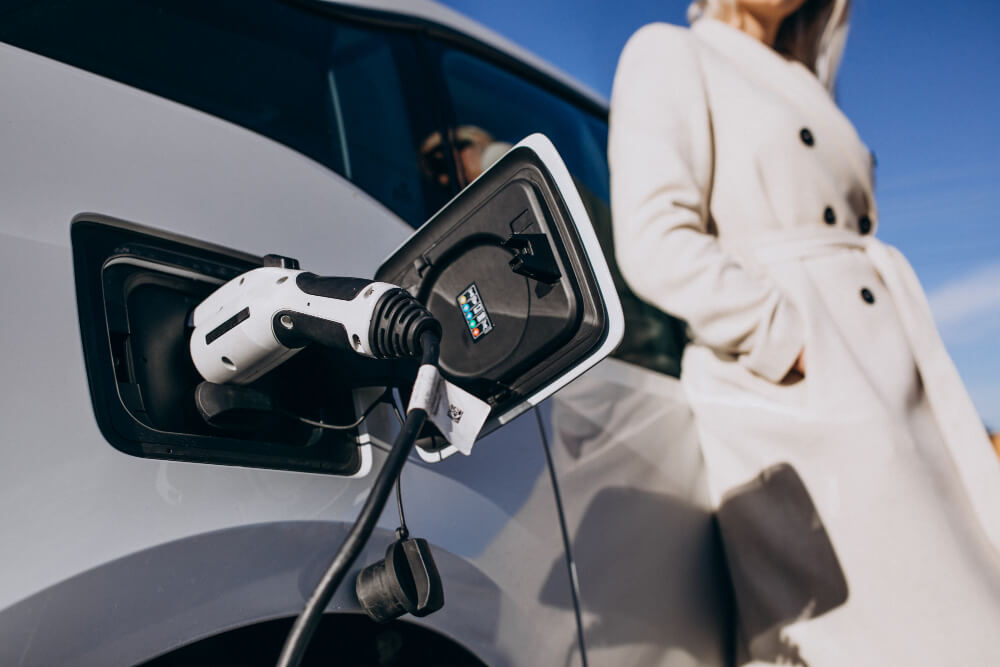
Sticker price is the second wall buyers hit. Federal and state incentives help, but they don’t erase the gap — electric vehicles still carry a higher upfront cost than comparable gas-powered models, often by several thousand dollars before any rebate kicks in.
Then there’s the battery itself. Replacing it years down the road isn’t cheap, and warranty coverage doesn’t always stretch as far as owners assume. I wouldn’t skip an EV over battery-replacement costs alone, but I’d read the warranty terms line by line before signing, not after.
3. Limited Model Options
Automakers add electric models every year, but the lineup still isn’t close to what you’ll find on the gas side. If you want a specific body style, a certain towing capacity, or a particular price point, the electric side of the lot narrows fast. That’s changing — just not quickly enough to help if nothing on the current market fits what you actually need.
4. Range Anxiety
Range anxiety deserves its own line item because it’s less about the number on the spec sheet and more about trust. A car rated for 250 miles doesn’t always deliver 250 miles in January, at highway speed, with the heat running. Gas cars have the same real-world variance, but a five-minute stop at any station erases it. An EV doesn’t offer that same margin for error yet, and that’s the tradeoff you’re accepting when you buy one today.
5. Longer Refueling Time

Fast-charging technology has improved a lot, but it still hasn’t matched the two-minute fill-up you get at a gas pump. Even a quick DC fast-charge session usually runs twenty to forty minutes to add meaningful range. For most daily driving, that’s irrelevant — you plug in overnight and never think about it again. On a tight travel schedule, though, it’s the difference between a quick stop and a real delay.
6. Environmental Impact of Battery Production
EVs contribute to a cleaner driving experience once they’re on the road, but building the battery isn’t emissions-free. Mining and processing lithium and cobalt carries a real ecological cost, and the International Energy Agency has flagged rising demand for these minerals as a genuine supply and sustainability challenge, not a footnote.
End-of-life battery disposal adds another layer nobody’s fully solved yet. None of this cancels out the benefits of driving electric, but it does mean the “zero emissions” pitch oversimplifies things.
7. Maintenance Costs
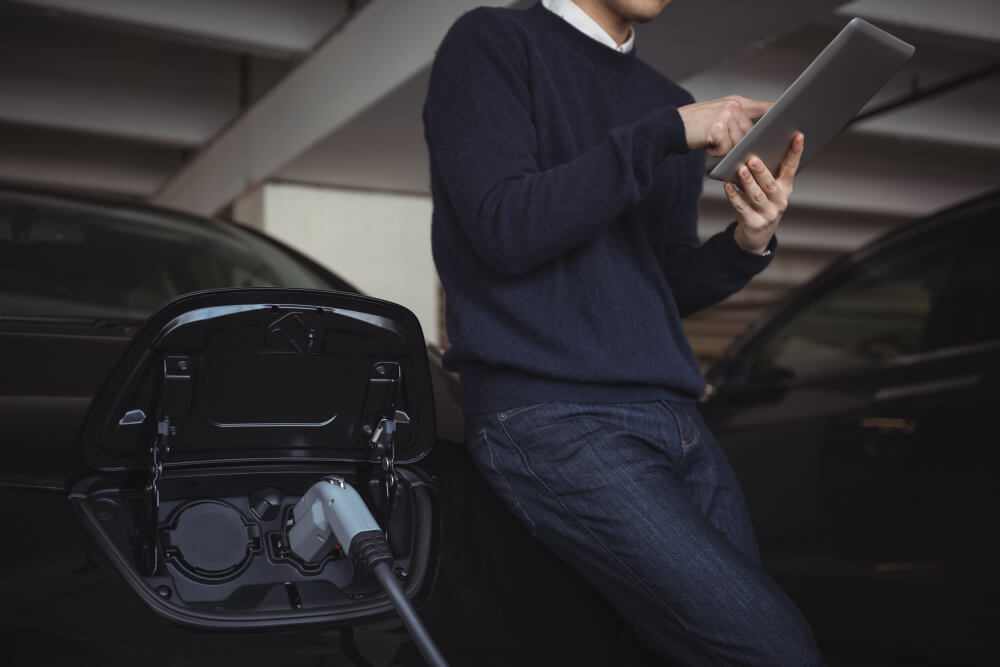
Here’s the thing people get wrong about EV maintenance: fewer moving parts doesn’t mean free upkeep. You’ll skip oil changes, sure, but specialized technicians and proprietary parts aren’t cheap when something does need attention, and not every shop is equipped to handle them yet. Budget for maintenance like you would with any car — just expect a different set of line items.
8. Energy Source Dependency
An electric car is only as clean as the grid that charges it. In regions still running heavily on fossil fuels, the emissions savings shrink considerably compared to what the marketing implies. That’s not an argument against EVs — it’s an argument for knowing your local energy mix before “environmentally friendly” becomes a deciding factor in your purchase.
Weighing It All Before You Sign
None of these eight points make electric cars a bad buy — plenty of owners never think about half of them again after the first month of ownership. But if you’re cross-shopping on sticker price alone, without accounting for charging access, battery costs, and your local grid, you’re not making an apples-to-apples comparison. My honest take: test the charging reality of your actual daily route before you fall for a model on paper. That one piece of homework prevents more buyer’s remorse than any spec sheet ever will.