
Mastering the Charge: A Comprehensive Guide on How to Charge an Electric Vehicle in the US

The automotive landscape is undergoing a significant transformation, with electric vehicles (EVs) gaining popularity as a sustainable and efficient mode of transportation. As more people embrace the shift towards cleaner energy, understanding how to charge an electric vehicle becomes paramount. In this comprehensive guide, I’ll delve into the various aspects of charging an electric vehicle in the United States, providing you with the knowledge to navigate the charging infrastructure seamlessly.
Contents
- Choosing the Right Charger for Your Electric Vehicle (EV)
- Home Charging Stations
- Public Charging Infrastructure
- Understanding Charging Speeds
- Utilizing Charging Networks
- Charging Etiquette and Considerations
- Managing Range Anxiety
- Government Incentives and Rebates
- Maintenance Tips for Optimal Charging Performance
- The Future of Electric Vehicle Charging
- Conclusion: How to charge an electric vehicle
Choosing the Right Charger for Your Electric Vehicle (EV)
The first step in mastering the art of how to charge an electric vehicle is understanding the different types of chargers available. Level 1 chargers use a standard household outlet and are suitable for overnight charging, while Level 2 chargers provide a faster charge and are often found in public charging stations. DC fast chargers are the quickest option, perfect for those on the go. Ensuring your EV is compatible with the charger is crucial for optimal charging performance.
Home Charging Stations
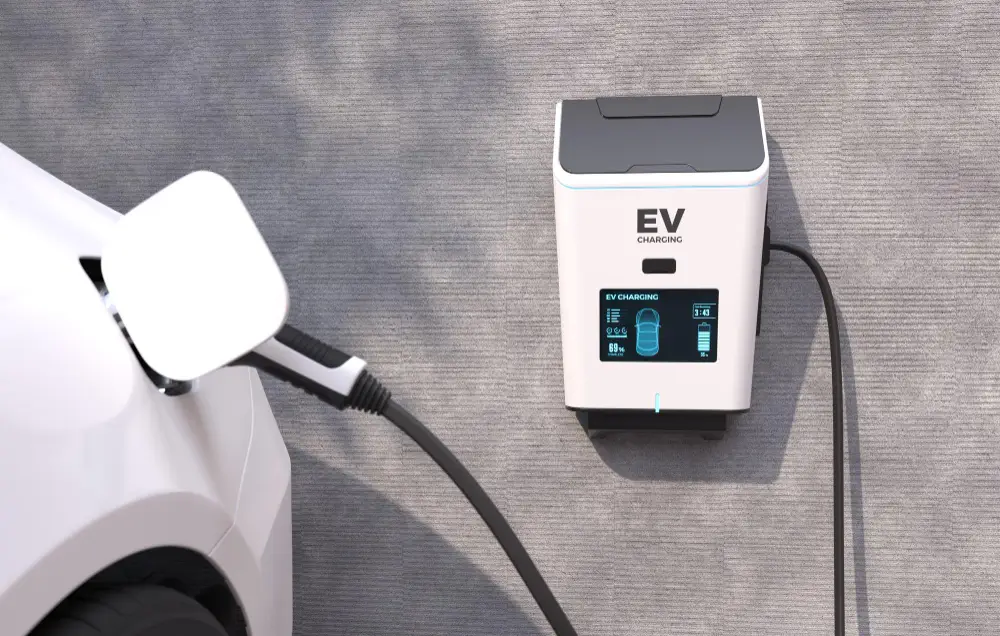
One of the most convenient ways to charge your electric vehicle is by installing a home charging station. This allows you to wake up to a fully charged EV each morning. Many utility companies offer incentives for installing home chargers, making it a cost-effective and environmentally friendly option.
Public Charging Infrastructure

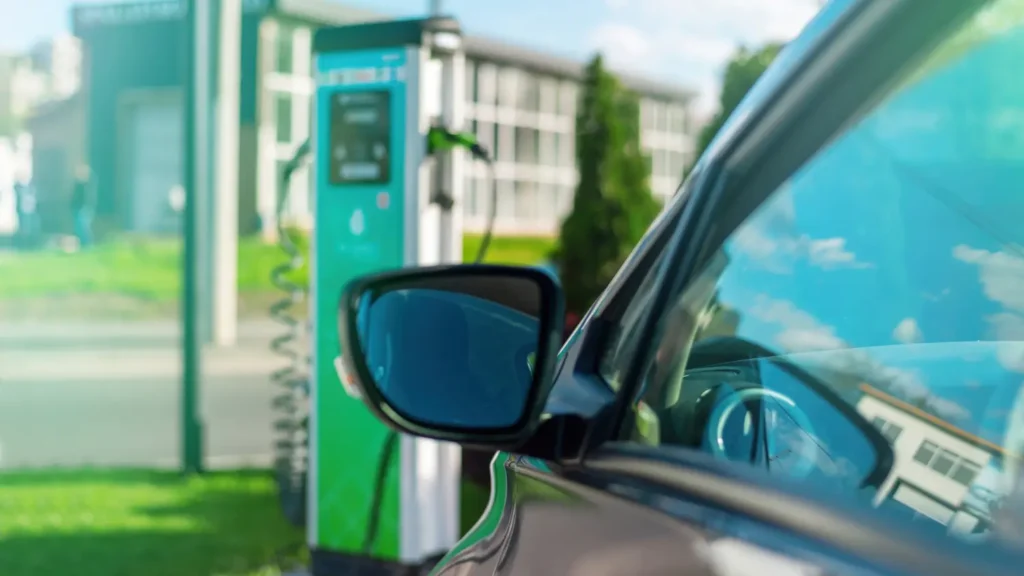
For those on the move, the extensive public charging infrastructure in the US is a game-changer. Charging stations are strategically located along highways, in shopping centers, and at workplaces. Utilizing apps and online platforms can help you locate the nearest charging station and monitor its availability, ensuring a stress-free charging experience.
Understanding Charging Speeds
Charging speeds vary among different chargers. Level 1 chargers typically provide around 2-5 miles of range per hour, Level 2 chargers offer 10-60 miles of range per hour, while DC fast chargers can provide up to 200 miles of range in as little as 20-30 minutes. Being aware of these charging speeds allows you to plan your charging stops effectively and get the right answer to the question of how to charge an electric vehicle.
Utilizing Charging Networks
Several charging networks operate across the country, each with its own set of benefits. Networks like Tesla Supercharger, ChargePoint, and Electrify America offer extensive coverage, user-friendly apps, and various membership perks. Exploring and understanding these networks can enhance your EV charging experience.
Charging Etiquette and Considerations
As the number of electric vehicles on the road increases, it’s essential to practice charging etiquette. Avoid occupying a charging spot longer than necessary, and always unplug your EV when charging is complete. Additionally, understanding peak charging times can help you avoid congestion at popular charging stations.
Managing Range Anxiety

Range anxiety, the fear of running out of battery power before reaching a charging station, is a common concern among EV owners. By planning your routes, knowing the locations of charging stations, and understanding your vehicle’s range, you can alleviate this anxiety and enjoy a smooth and worry-free driving experience.
Government Incentives and Rebates
Taking advantage of government incentives and rebates can significantly reduce the cost of purchasing and installing a home charging station. Federal and state programs offer financial incentives to promote the adoption of electric vehicles, making it an opportune time to invest in clean and sustainable transportation.
Maintenance Tips for Optimal Charging Performance
Ensuring your electric vehicle maintains peak charging performance involves some basic maintenance. Regularly check and clean charging connectors, inspect cables for any damage, and keep the charging port clean. This proactive approach will extend the life of your EV’s charging system.
The Future of Electric Vehicle Charging
As technology continues to advance, the future of electric vehicle charging looks promising. Improvements in battery technology, faster charging speeds, and increased charging infrastructure are on the horizon. Staying informed about these advancements will help you make informed decisions as the EV landscape evolves and get you the right answer to the question of how to charge an electric vehicle.
Conclusion: How to charge an electric vehicle
Charging an electric vehicle in the US is a straightforward process, thanks to the rapidly growing charging infrastructure and supportive government initiatives. By understanding the various charging options, utilizing home charging stations, and navigating public charging networks, you can confidently embrace the electric vehicle revolution. This comprehensive guide on how to charge an electric vehicle emphasizes the importance of acquiring this knowledge to make your electric vehicle journey seamless and enjoyable.
Explore more EV topics in our Electric and Hybrid Cars section of the blog.