
12 Current Automotive Market Trends

A list of automotive trends is easy to write and easy to forget. I’ve been covering this industry long enough to know that most of these roundups repeat the same five headlines every year without saying anything useful about what’s actually changing. So here’s my honest, occasionally surprising, take on the current automotive market trends I’m watching right now — not because a press release told me to, but because I’m seeing them show up in real inventory, real financing offers, and real conversations with buyers.
Contents
- The Current Automotive Market Trends I’m Actually Watching
- 1. Electric Vehicles Are Still Climbing
- 2. Hybrids Aren’t Going Anywhere
- 3. SUVs and Crossovers Continue to Dominate
- 4. Smart and Connected Cars Keep Getting Smarter
- 5. Safety Features Are Table Stakes Now
- 6. Sustainable and Recycled Materials Are Showing Up Everywhere
- 7. Supply Chain Challenges Are Still Being Felt
- 8. Ride-Sharing and Car Subscriptions Are Reshaping Ownership
- 9. Autonomous Vehicles Are Inching Closer
- 10. E-commerce Has Changed How People Buy Cars
- 11. Financing and Leasing Trends Are Shifting
- 12. Used Car Prices Are Still Elevated
- The One Rule I’d Actually Follow
The Current Automotive Market Trends I’m Actually Watching
Here’s the quick version before the details: twelve trends, why each one matters, and whether I think it’s worth paying attention to or mostly noise.
| Trend | My Take |
|---|---|
| Electric Vehicles | Real growth, but adoption is slower than the hype suggests |
| Hybrid Vehicles | Still the smarter choice for a lot of buyers |
| SUVs & Crossovers | Dominant, and not slowing down |
| Smart & Connected Cars | Convenient, but not a reason alone to buy |
| Safety Features | Now expected, not optional |
| Sustainable Materials | Genuine shift, still early |
| Supply Chain Challenges | Easing, but not solved |
| Ride-Sharing & Subscriptions | Changing how people think about ownership |
| Autonomous Vehicles | Closer, but full autonomy is still years out |
| E-commerce Car Sales | Convenient, but I’d still test drive in person |
| Financing & Leasing | Terms are stretching, and that’s a tradeoff |
| Used Car Prices | Still elevated, but easing from the peak |
1. Electric Vehicles Are Still Climbing
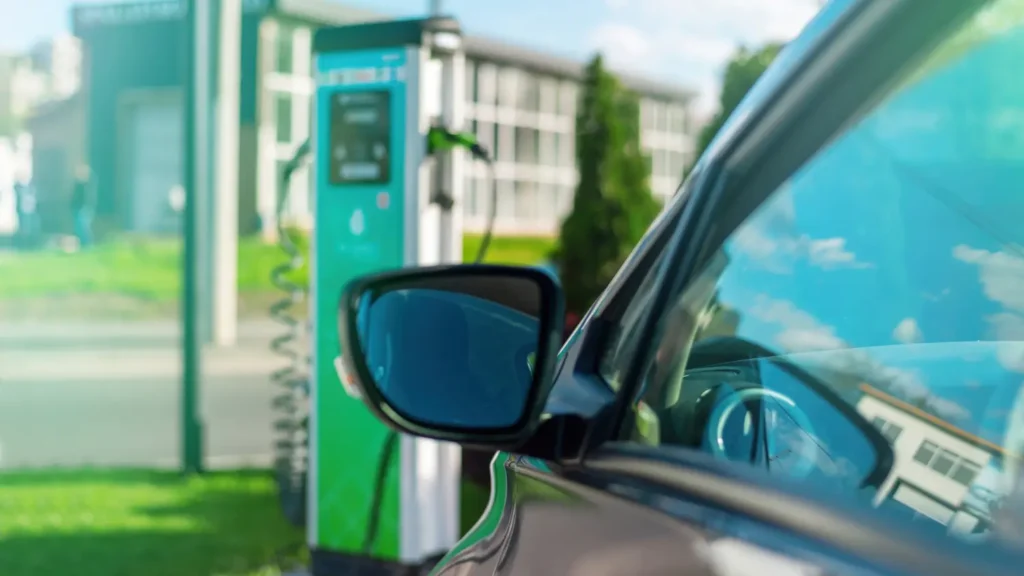
One of the most significant trends in the U.S. automotive market is the growing popularity of electric vehicles, and I don’t think that’s marketing spin. With a growing emphasis on reducing carbon emissions and combating climate change, consumers are increasingly choosing EVs. Companies like Tesla, which pioneered the electric car market, continue to dominate it. Moreover, traditional automakers like Ford and General Motors have also jumped on the EV bandwagon, promising a wide range of electric options to cater to diverse consumer needs.
In my experience, the buyers who end up regretting an EV purchase aren’t disappointed by the car itself — they’re disappointed by charging logistics they didn’t plan for. That’s the tradeoff nobody puts on the brochure.
2. Hybrids Aren’t Going Anywhere
While EVs are on the rise, hybrid vehicles haven’t lost their appeal, and I’d never tell someone a hybrid is just a stepping-stone car. Many consumers appreciate the combination of gasoline and electric power in hybrid cars, as it offers greater flexibility in terms of long-distance driving. Hybrids, such as the Toyota Prius, are popular choices for those seeking to reduce their carbon footprint without fully committing to an all-electric vehicle.
My honest take: for buyers without reliable home charging, a hybrid is often the smarter buy over an EV, not just the safer one.
3. SUVs and Crossovers Continue to Dominate

Americans have long had a love affair with SUVs and crossovers, and this trend shows no sign of slowing down. The demand for spacious, versatile vehicles remains strong, with various automakers continually improving the design, fuel efficiency, and safety features of their SUV and crossover models.
I’ve sold enough of these to know why: buyers tell me they want a sedan’s fuel economy, then choose the SUV every time once they’ve sat in one with the kids’ car seats installed.
4. Smart and Connected Cars Keep Getting Smarter
In the age of smartphones and smart homes, it’s no surprise that consumers want their vehicles to be smart and connected too. Infotainment systems, navigation apps, and advanced driver-assistance features have become essential in modern cars. These technologies enhance convenience, safety, and the overall driving experience.
Here’s the thing: I wouldn’t buy a car based on infotainment alone. It’s a nice-to-have, not the reason to sign the paperwork.
5. Safety Features Are Table Stakes Now
Of all the current automotive market trends on this list, safety is the one regulators push hardest. Safety remains a paramount concern for both consumers and regulators in the automotive industry. Advanced safety features, such as automatic emergency braking, adaptive cruise control, lane-keeping assist, and blind-spot monitoring, have become standard in many vehicles. Automakers continue to invest in research and development to make driving safer for everyone.
One thing I always tell people: don’t pay extra for a “safety package” without checking the trim sheet first — a lot of this is standard equipment now, not an upsell.
6. Sustainable and Recycled Materials Are Showing Up Everywhere
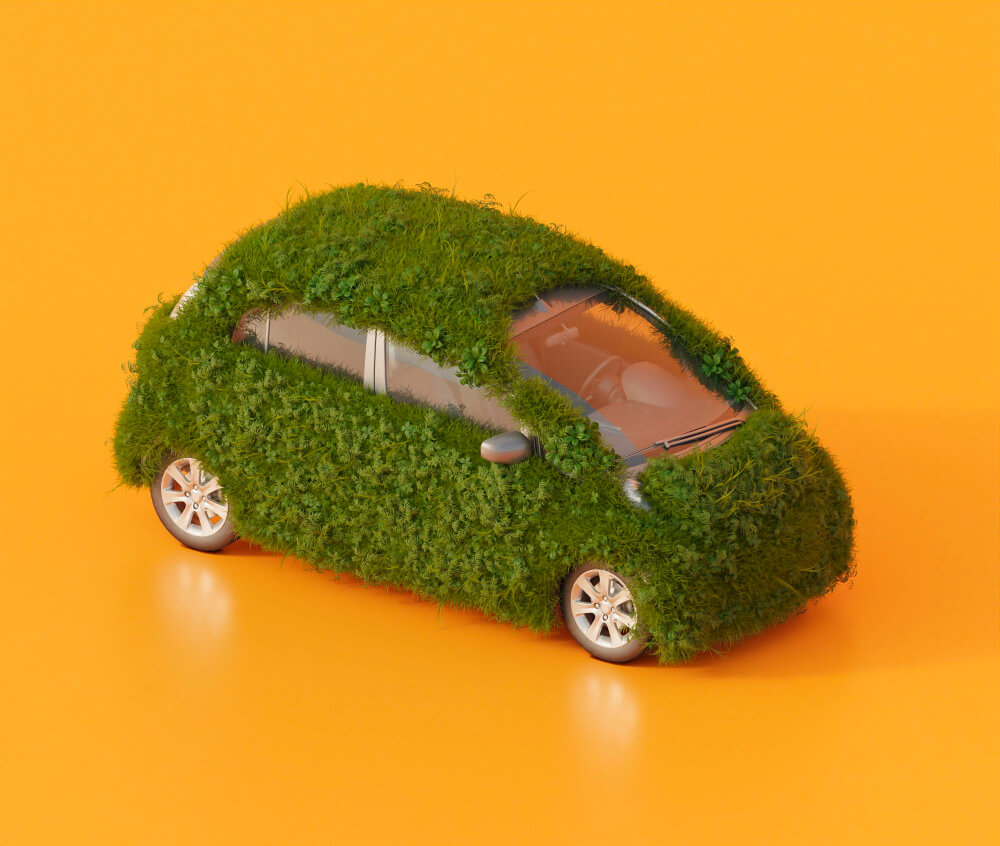
One of the current automotive market trends is environmental consciousness, and it’s now a real driving force in the auto industry. Automakers are increasingly using sustainable materials and exploring recycling options. Not only do these choices reduce the manufacturing process’s carbon footprint, but they also appeal to eco-conscious consumers.
I’d call this one genuine, not greenwashing — but it’s still early, and the tradeoff is these materials sometimes wear differently than what buyers are used to.
7. Supply Chain Challenges Are Still Being Felt
In recent years, supply chain disruptions have made headlines in the automotive industry. The COVID-19 pandemic exposed vulnerabilities in global supply chains, leading to shortages of essential components, including semiconductors. These disruptions have reduced production volumes and caused delays in the delivery of new vehicles.
That’s not how car buying used to work, and I still see it affect wait times on specific trims and colors — it’s better than it was, but it isn’t fully behind us.
8. Ride-Sharing and Car Subscriptions Are Reshaping Ownership
The traditional model of car ownership is evolving. More Americans are turning to ride-sharing services like Uber and Lyft for convenient transportation without the commitment of owning a vehicle. Additionally, car subscription services, where consumers pay a monthly fee for access to a range of vehicles, are gaining popularity.
I always recommend running the actual math here before assuming a subscription saves money — for a lot of buyers, ownership is still cheaper over a year or more.
9. Autonomous Vehicles Are Inching Closer
Self-driving cars are no longer just a concept, and this is one of the current automotive market trends I think will matter most in five years. Companies like Waymo, Uber, and traditional automakers are testing and developing autonomous vehicles. While full autonomy is still in its early stages, features such as adaptive cruise control and lane centering are making driving safer and more convenient.
If I had to boil this down to one piece of advice: don’t buy a car today expecting full self-driving tomorrow. What you’re actually getting is a very good driver-assist system, and that’s a real benefit on its own.
10. E-commerce Has Changed How People Buy Cars

The pandemic accelerated the shift toward e-commerce in the auto industry. Many consumers now prefer to research, configure, and even purchase vehicles online. Dealerships have adapted by offering virtual showrooms and contactless buying experiences.
I don’t think online car buying is a compromise anymore, but I’d never tell someone to skip the test drive entirely — that’s the one step I wouldn’t cut, no matter how good the online configurator is.
11. Financing and Leasing Trends Are Shifting
The way people finance and lease vehicles is changing, and it’s one of the current automotive market trends that affects nearly every buyer’s monthly budget. Low interest rates have made financing more attractive, and longer loan terms are becoming more common. Leasing remains a popular choice for those who want to drive a new vehicle every few years without the long-term commitment of ownership.
The tradeoff with stretching loan terms out to 72 or 84 months is straightforward: lower payments now, but you’re underwater on the loan for a lot longer. That’s the one detail I make sure every buyer understands before they sign.
12. Used Car Prices Are Still Elevated
The demand for used cars has surged in the USA, driving up prices. Factors such as the semiconductor shortage and supply chain disruptions have limited the availability of new vehicles, pushing more consumers toward the used-car market. This trend has also been influenced by the pandemic’s economic challenges, prompting many people to seek more affordable transportation options. If you’re shopping in this market, check out my post ‘Best Tips for Buying a Used Car‘ for more on making a smart purchase.
Prices have come down some from the 2021-2022 peak, but they haven’t returned to what buyers were used to before — and I don’t think they fully will.
The One Rule I’d Actually Follow
The current automotive market trends in the USA add up to a dynamic, ever-evolving landscape. From the rise of electric vehicles and smart technologies to the growing demand for safety and sustainability, the industry is shaped by changing consumer preferences and the need for innovation. As the market keeps moving, I don’t think chasing every trend is the right strategy for most buyers.
If I had to boil this down to one piece of advice: buy for what you actually need today, not the trend you think will matter in five years — the car you drive every day should fit your life now, not a prediction.
That’s my honest rundown of where the current automotive market trends actually stand right now.