

Best Cars With Timing Chain Not Belt
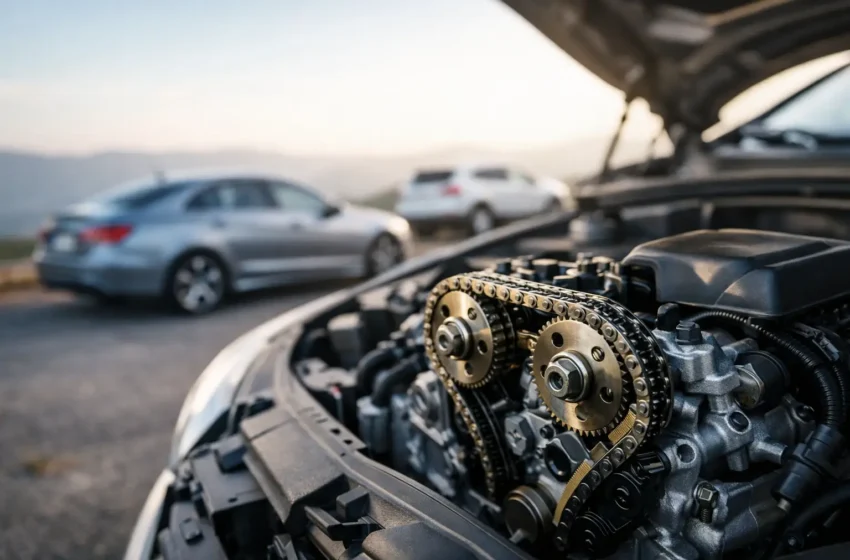
If you are shopping used and trying to avoid a scheduled timing belt job, cars with timing chain not belt usually deserve a closer look. That does not mean every timing-chain engine is trouble-free, but it does mean you are often looking at a design meant to last longer and require less routine replacement than a belt-driven setup.
That distinction matters more than a lot of buyers realize. A timing belt is a regular maintenance item on many engines, and if it is ignored, the repair bill can turn into engine damage fast. A timing chain, on paper, sounds better because it is lubricated by engine oil and is often designed for the life of the engine. In the real world, though, chain systems can still stretch, tensioners can fail, and poor oil-change history can wreck the advantage.
Contents
- Why buyers look for cars with timing chain not belt
- Best used cars with timing chain not belt
- Timing chain vs belt: what actually changes for ownership?
- How to shop for cars with timing chain not belt the smart way
- Are timing chains always better?
- Quick comparison: timing chain used cars at a glance
- The best mindset for used-car buyers
Why buyers look for cars with timing chain not belt
For a used-car shopper, this is mostly about risk control. If you buy a vehicle with a timing belt and there is no proof it was replaced on schedule, you may need to budget for that service immediately. Depending on the engine, that can run from a few hundred dollars into four figures.
With cars that use timing chains, you are usually removing one major scheduled service item from the ownership equation. That is especially attractive for first-time buyers, families trying to keep costs predictable, and anyone shopping older cars where maintenance records are incomplete.
Still, timing chain does not automatically mean better. Some chain-driven engines have a strong reputation for longevity. Others are known for stretched chains, noisy startups, or weak guides and tensioners. The smart move is not just to search for chain instead of belt. It is to search for a good engine family.
Best used cars with timing chain not belt
Toyota Corolla

The Corolla is one of the safest answers in this conversation. Many modern Corolla engines use timing chains, and the car has a long-standing reputation for low running costs, easy ownership, and strong durability.
For most buyers, the appeal is simple. You get a fuel-efficient compact sedan that is cheap to insure, easy to maintain, and less likely to blindside you with expensive engine-related service. That does not make every Corolla perfect, but as a used-car default choice, it is hard to argue against.
Toyota Camry
The Camry has been a go-to family sedan for years, and many four-cylinder and V6 versions use timing chains. That makes it especially appealing if you want something bigger than a Corolla without stepping into luxury-car repair territory.
The sweet spot is often a well-maintained four-cylinder model. It gives you solid reliability, reasonable fuel economy, and a drivetrain that has been proven in huge numbers. For long-term ownership, that matters more than fancy features.
Honda Civic
The Civic is another strong mainstream choice, particularly for buyers who want a compact car that still feels a little more engaging than the average commuter appliance. Many later Civic engines use timing chains, and when maintained properly, they can go a very long time.
The catch with older used Civics is that condition matters a lot. Some have been modified, neglected, or driven hard. A timing chain is a plus, but it should not distract you from checking service history, oil condition, and signs of abuse.
Honda Accord
If you want midsize practicality with a little more refinement, the Accord deserves to be on the list. Many Accord four-cylinder engines use timing chains, and the car combines roomy packaging with a generally strong reliability record.
This is one of those models where engine choice matters. Some years and trims are stronger bets than others, so buyers should always research the specific generation rather than assuming every Accord is equally good. But broadly speaking, it is one of the better answers for people who want low drama ownership.
Mazda3
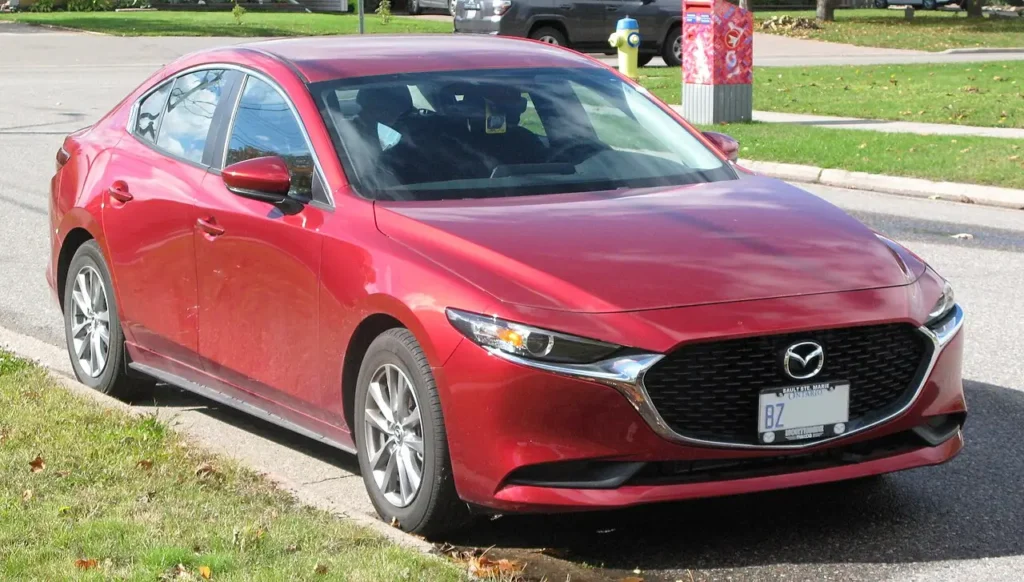
The Mazda3 is a smart pick for buyers who want a used compact car that is not boring. Many Mazda3 engines use timing chains, and the car offers sharper steering and better road feel than a lot of rivals in the same price class.
From an ownership perspective, the Mazda3 often hits a nice middle ground. It is more interesting to drive than many economy cars, but it still makes sense financially. Rust can be an issue on older examples in some regions, so the body deserves just as much attention as the engine. For a detailed look at one specific model year, see: 2014 Mazda 3 – Timing Belt or Chain?
Nissan Altima with the right engine
The Altima has used timing-chain engines in many generations, but this is a model where you need to be selective. The engine itself may be chain-driven, yet the bigger ownership concern on many used Altimas is the CVT transmission, not the timing system.
That is a good example of why timing chain should never be the only buying filter. A car can check the chain box and still be a risky purchase overall. If you are considering an Altima, the full powertrain picture matters.
BMW 3 Series with caution
Yes, many BMW 3 Series models use timing chains. No, that does not automatically make them budget-friendly used cars. This is where enthusiasts and practical buyers need to meet in the middle.
A chain-driven BMW may save you from routine belt replacement, but European luxury cars can still bring expensive cooling-system repairs, oil leaks, electronics issues, and labor-intensive maintenance. If you want one, buy for condition and service records, not just for the chain setup.
Timing chain vs belt: what actually changes for ownership?
Subaru Outback / Forester
Subaru’s more recent flat-four engines, including the FB-series used in the Outback and Forester, moved to timing chains rather than belts. That is a meaningful change from older Subaru models, some of which used belts with shorter service intervals.
For buyers who like the all-wheel-drive versatility of a Subaru wagon or crossover, a chain-driven FB engine removes one of the traditional maintenance concerns associated with older flat-four Subarus. Head gasket history on older engines still deserves attention, but the timing system itself is less of a worry on these newer chain-driven versions.
Hyundai Elantra / Kia Forte
Hyundai and Kia share engine families across many of their compact cars, and most modern Elantra and Forte four-cylinders use timing chains instead of belts. That makes both models worth a look for budget-focused buyers who still want a chain-driven engine.
These compacts tend to be inexpensive to insure and maintain, and long factory powertrain warranties on newer examples add an extra layer of confidence. As with any used car, checking service history and confirming the exact engine and model year is still the smart move before you buy.
The biggest difference is service timing. A belt usually has a replacement interval, often somewhere around 60,000 to 100,000 miles depending on the vehicle. A chain usually does not have that same routine replacement schedule.
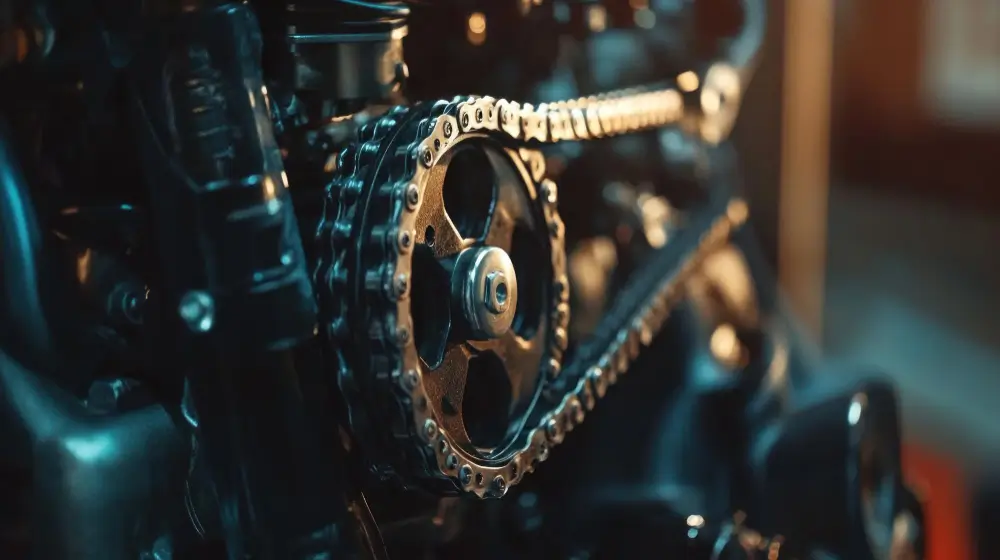
That can save money over time, but only if the engine has been treated well. Timing chains depend heavily on clean oil and proper oil pressure. Stretch, guide wear, and tensioner issues show up more often when owners stretch oil-change intervals or use the wrong oil.
In other words, a chain can be lower maintenance, but it is not maintenance-free. That is a big difference.
How to shop for cars with timing chain not belt the smart way
First, verify the exact engine. The same model name can use different engines across years, trims, or markets. A Honda Accord from one generation may be a clear timing-chain car, while another engine option in a different year might change the answer.
Second, ask for maintenance records. On a chain-driven engine, oil-change history matters a lot. If the seller has no paperwork and the engine is noisy at startup, that should get your attention.
Third, listen carefully on a cold start. Rattling from the front of the engine for more than a brief moment can point to chain, guide, or tensioner wear. Some engines are known for this more than others, but any unusual startup noise deserves inspection.
Fourth, do not ignore the rest of the car. Transmission issues, neglected suspension, rust, and electrical problems can cost more than a timing belt service would have. A timing chain is an advantage, not a free pass.
Are timing chains always better?
Not always. They are usually better for buyers who want to avoid a scheduled belt replacement and who plan to keep up with oil changes. But some timing-belt engines are extremely durable and cheap to own if the belt service is done on time.
There is also a cost reality here. When a timing chain system does fail, repairs can be expensive because the job is often more labor-intensive than a belt replacement. So the trade-off is simple: chains often need less routine service, but they are not necessarily cheaper if something goes wrong.
Quick comparison: timing chain used cars at a glance
| Model | Typical Engine | Timing System | Ownership Reputation |
|---|---|---|---|
| Toyota Corolla | 1.8L / 2.0L inline-4 | Timing Chain | Excellent, low running costs |
| Toyota Camry | 2.5L inline-4 / V6 | Timing Chain | Strong, proven reliability |
| Honda Civic | 1.5L-2.0L inline-4 | Timing Chain | Good, condition-dependent |
| Honda Accord | 1.5L-2.4L inline-4 | Timing Chain | Good, generation-dependent |
| Mazda3 | SKYACTIV-G 2.0L/2.5L | Timing Chain | Good, watch for rust |
| Nissan Altima | 2.5L inline-4 | Timing Chain | Mixed, CVT is the real risk |
| BMW 3 Series | Various inline-4/6 | Timing Chain | Mixed, costly upkeep |
| Subaru Outback / Forester | FB-series flat-4 | Timing Chain | Good on newer models |
| Hyundai Elantra / Kia Forte | Nu / Gamma inline-4 | Timing Chain | Good, budget-friendly |
This table is meant as a starting point, not a final verdict. Always confirm the exact engine and production year for the specific car you are considering, since engine reliability can vary even within the same model name.
The best mindset for used-car buyers
Think of the timing chain as one piece of a reliability puzzle. It is a useful filter, especially if you are buying older vehicles and want fewer scheduled maintenance surprises. But it should sit alongside brand reputation, engine-specific problem history, transmission reliability, and evidence of proper care.
For most shoppers, the safest bets are mainstream Japanese models like the Toyota Corolla, Toyota Camry, Honda Civic, Honda Accord, and Mazda3. They offer the best balance of chain-driven engine design, parts availability, manageable ownership costs, and proven long-term dependability.
If you want help thinking through used-car ownership the practical way, that is exactly the kind of question Car Geek Talk is built around. The goal is not just finding a car that sounds good on paper. It is finding one you can actually live with.
A timing chain can absolutely tilt the odds in your favor, but the real win is buying a car with the right engine, the right maintenance history, and the fewest bad surprises waiting after you get the keys.