
How Long Do Tesla Batteries Last Really?
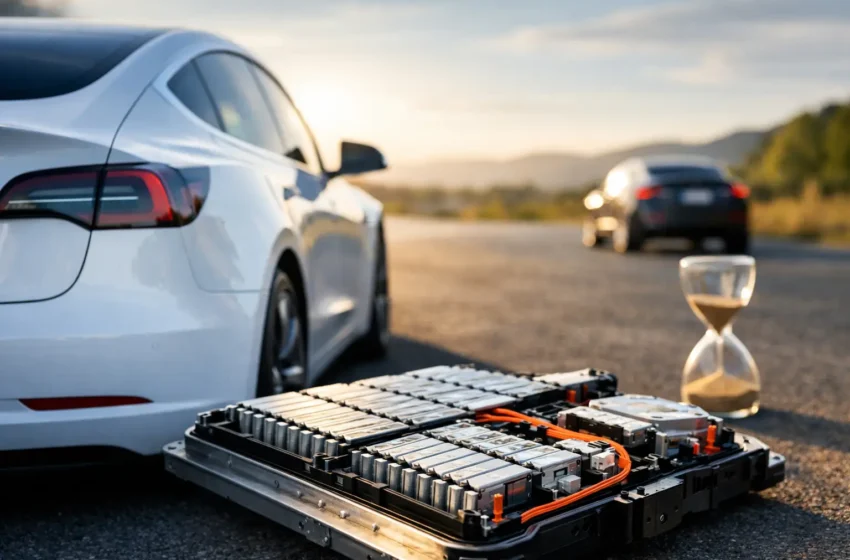
A buyer once told me he was ready to dump his three-year-old Model 3 because of a forum post about a $20,000 battery replacement. His actual range had dropped by about 4%. That gap between fear and reality is basically the whole story with Tesla batteries.
The short answer, really: Tesla batteries generally last a long time. In normal use, most owners should expect well over 150,000 miles, often closer to 200,000 to 300,000 miles, before degradation becomes a real ownership problem. That doesn’t mean the pack stays like new — it means the battery usually loses range gradually instead of suddenly becoming unusable.
Contents
- How long do Tesla batteries last in real life?
- What affects Tesla battery life the most?
- Tesla battery lifespan by ownership stage
- How much degradation is normal?
- Can a Tesla battery fail early?
- What does a Tesla battery replacement cost?
- Is buying a high-mileage Tesla risky?
- So, how long do Tesla batteries last compared with what buyers fear?
How long do Tesla batteries last in real life?
For most drivers, a Tesla battery outlasts the period they actually keep the car. Battery lifespan isn’t just a lab number — it’s about whether the car still fits your commute, your road trips, your charging routine, and your resale expectations years down the line.
Tesla packs typically degrade fastest early on, then settle into a much slower decline. A car might lose a noticeable chunk of range in the first 25,000 to 50,000 miles, then barely move after that. In practical terms, plenty of owners report 85% to 90% battery capacity still available well past 100,000 miles.
That’s the part that catches first-time EV shoppers off guard. Battery aging looks more like a steady haircut than a cliff.
Tesla’s warranty coverage gives a useful baseline
One thing I always tell people: look at what Tesla itself is willing to warranty, not what a forum thread claims. Most Tesla models carry battery and drive unit coverage for 8 years, with mileage limits that vary by model, and the warranty typically guarantees a minimum retained capacity of 70%.
That doesn’t mean the battery’s worn out at 70% — it means Tesla considers anything below that threshold, within the warranty period, to be excessive degradation. A pack sitting at 75% or 80% can still be perfectly usable, especially if your daily driving needs are modest.
What affects Tesla battery life the most?
Battery life comes down to chemistry, climate, charging habits, and plain old mileage. Not every Tesla ages the same way, and I’ve seen two identical model-year cars land in very different places by year five.
The biggest factor is charge cycles. Every battery has a finite number of full charge-discharge cycles, and they add up. A driver racking up 25,000 miles a year will age a pack faster than someone doing 8,000, even if both cars rolled off the line the same week.
Climate matters too. Extreme heat is harder on lithium-ion cells than moderate temperatures. Tesla’s thermal management is genuinely good, but physics still wins eventually — cars that live in the desert tend to see faster degradation than ones in milder climates.
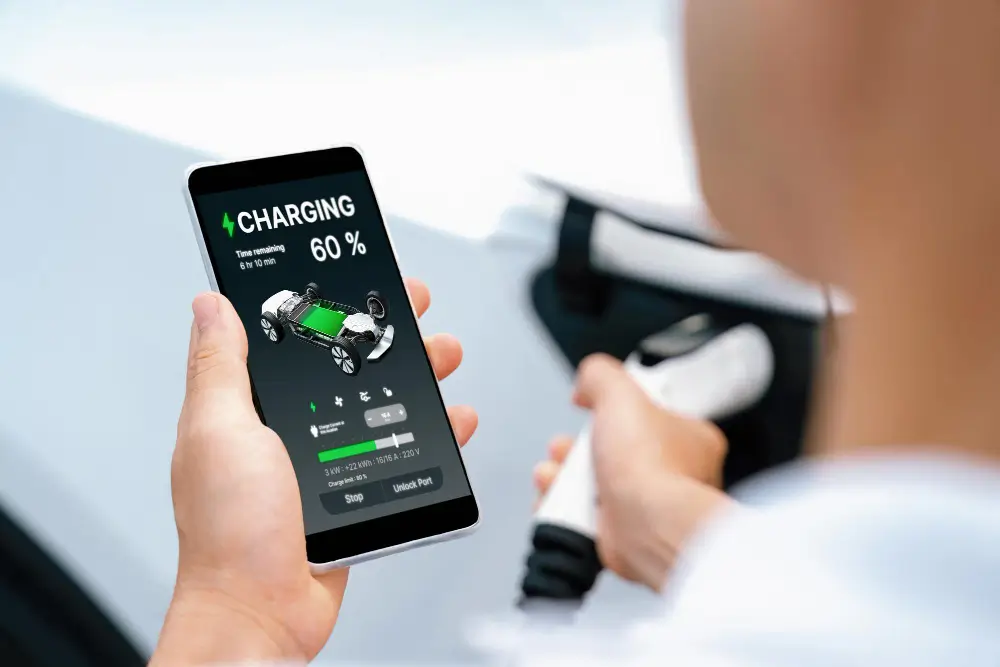
Charging behavior plays a role as well. Fast charging is convenient, especially on road trips, and frequent DC fast charging does add more stress than mostly slower Level 2 home charging. That’s not a reason to avoid Superchargers — it’s just one variable in the wear equation, not the deciding one.
Then there’s state of charge. Parking a battery at 100% for long stretches isn’t ideal, and running it down to empty regularly isn’t great either. Tesla recommends daily charging limits below full capacity for most of its cars, and that recommendation tells you everything about what counts as best practice.
Tesla battery lifespan by ownership stage
Here’s a practical way to think about it if you’re shopping new or used.
| Ownership stage | Typical battery condition | What it usually means |
|---|---|---|
| 0-50,000 miles | Small early degradation | Slight range loss, usually not a concern |
| 50,000-100,000 miles | Stable gradual decline | Still strong for daily use and resale |
| 100,000-200,000 miles | Moderate degradation possible | Depends heavily on climate, use, and charging habits |
| 200,000+ miles | Wider variation between cars | Some remain very usable, others may show meaningful range loss |
That table isn’t a guarantee — it’s the real-world ownership view. A carefully used Model 3 in a mild climate can age better than a heavily fast-charged car that spent years baking in desert heat.
How much degradation is normal?
This is where buyers panic over the wrong number. Some degradation is expected — a Tesla doesn’t need to retain 100% of its original capacity forever to be a good car.
A drop of roughly 5% to 10% over the first several years isn’t unusual, and degradation typically slows after that. If your original range was 330 miles and it drops to around 300, that can feel annoying on paper, but for most owners it changes very little in daily life.
The real problem starts when your range needs were already tight. If you bought the car because your weekly routine barely worked with the original rated range, degradation will matter a lot more. If you’ve got a home charger and a generous range buffer, you’ll probably barely notice it.
Used Tesla shoppers should focus on the usable range
When you’re evaluating a used Tesla, don’t obsess over the exact percentage alone — focus on whether the remaining real-world range fits your life.
A used Model Y with some degradation but strong charging performance can still be a smarter buy than a cheaper EV with less range, slower charging, and weaker battery cooling. Battery lifespan is only one part of long-term value, not the whole equation.
Can a Tesla battery fail early?
Yes, but it’s not the norm. There have been individual failures, defective modules, and pack issues that needed repair or replacement — like any major automotive component, battery packs aren’t immune to bad luck.
The key point: catastrophic failure is much rarer than gradual degradation. Most Tesla batteries don’t simply die one day like an old 12-volt battery. More often, owners live with a slowly shrinking range over time.
This is also why service history matters on used examples. If a battery or module was already repaired under warranty, that’s not automatically bad news — in some cases it means the major issue was already addressed before you bought the car.
What does a Tesla battery replacement cost?
This is the number everyone wants, and it’s also the trickiest one to pin down. A full battery replacement can be expensive — often several thousand dollars and sometimes well into five figures, depending on the model, pack size, labor, and whether the job is a full pack swap or a smaller component-level repair.
That sounds brutal, and it can be. But it’s also the worst-case scenario, not the average ownership experience. Most Tesla owners sell the car, trade it in, or keep driving it with some degradation long before they ever face a full pack replacement.
If you’re buying an older high-mileage Tesla, though, think like a used luxury car buyer. The low fuel cost doesn’t erase the risk of a very expensive out-of-warranty repair.
Is buying a high-mileage Tesla risky?
It depends on your expectations. A high-mileage Tesla isn’t automatically a bad buy — some can be excellent values if the price reflects the age, remaining range, and warranty status.
The risk goes up when buyers assume EVs have no aging costs just because they need less routine maintenance than gas cars. You’ll skip oil changes, spark plugs, and transmission service, sure, but battery condition becomes the headline issue instead. I wouldn’t recommend buying a high-mileage Tesla on price alone without checking that history first.
For value-conscious buyers, the sweet spot is usually a Tesla with enough warranty left to reduce downside, enough battery health to cover real-life driving needs, and a price low enough to justify some long-term uncertainty. That’s the practical ownership view, not the fanboy view.
So, how long do Tesla batteries last compared with what buyers fear?
Usually longer than people fear, but not forever. That’s the honest answer.
A Tesla battery can realistically stay useful for 8 to 15 years, depending on mileage, environment, and charging behavior, and plenty make it past 200,000 miles without becoming unusable. The trade-off is that usable range drops over time, and out-of-warranty battery work can be painfully expensive if you’re the unlucky owner who needs it.
For most US drivers, the real question isn’t whether the battery will suddenly become worthless — it’s whether the remaining range five or eight years from now will still match the way they actually use the car. If the answer is yes, Tesla battery longevity is generally better than the internet horror stories suggest. If your driving needs leave no margin for range loss, shop more carefully.
I think about Tesla battery life the same way I think about engine life in a gas car: the best ones last a very long time, abuse shortens that life, and the smartest buyers look past the hype and focus on how the vehicle will actually age in the real world. If there’s one rule worth remembering here, it’s that a battery’s history matters more than its birthday.