

How to Maintain Hybrid Battery the Smart Way
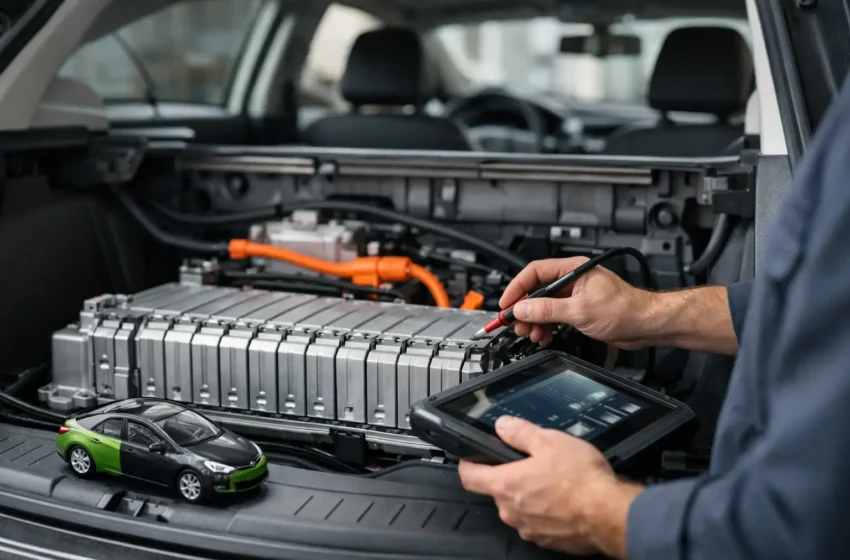
A hybrid battery usually does not fail because of one dramatic event. More often, it ages faster from heat, long periods of sitting, clogged cooling passages, and small ownership habits that add up over time. If you are wondering how to maintain hybrid battery health, the good news is that most of the best habits are simple, cheap, and easy to build into normal car ownership.
That matters because hybrid battery replacement is one of the biggest what-if costs for any hybrid owner. The upside is that modern hybrid packs are generally durable, and many last well beyond 100,000 miles. The catch is that battery life depends heavily on how the car is used, where it is parked, and whether basic maintenance gets ignored.
Contents
- How to maintain hybrid battery without overthinking it
- The habits that actually help battery life
- The maintenance items owners miss most often
- Driving style: does it really matter?
- Warning signs your hybrid battery may need attention
- Newer hybrid vs aging hybrid battery care
- Can you recondition or revive a hybrid battery?
- How to maintain hybrid battery on a used hybrid you just bought
- What not to do
How to maintain hybrid battery without overthinking it
The first thing to understand is that hybrid batteries are managed by the car. You are not manually charging or discharging them like a phone or a power tool. The battery management system keeps the pack within a relatively safe operating range, which is one reason hybrids tend to be more reliable than people expect.
Still, that system can only do so much if the battery spends its life baking in extreme heat or struggling to breathe through a dirty cooling fan. In real-world ownership, battery temperature is one of the biggest factors in long-term health. Heat is harder on battery chemistry than mileage alone, which is why a hybrid in Arizona may age differently than one in Washington, even with similar miles.
If you want the blunt version, the smartest way to help a hybrid battery last is to keep it cool, keep the car driven regularly, and fix warning signs early instead of waiting for a breakdown.
The habits that actually help battery life
Regular use matters more than many owners realize. Hybrid batteries do not like sitting unused for very long stretches. A car that gets driven several times a week generally keeps the pack in a healthier state than one parked for months at a time. If you have a hybrid that sits often, even a short drive can be better than letting it remain dormant indefinitely.
Parking choices also matter. If possible, park in a garage or shaded area during hot weather. This is especially helpful in southern states where cabin temperatures climb fast. In many hybrids, the traction battery sits behind the rear seat or under the rear area, so a superheated cabin can contribute to higher battery temperatures.
Then there is the cooling system, which many owners never think about until there is a problem. Most hybrids use a battery cooling fan and intake vent. If that vent gets blocked by bags, clothing, pet hair, or plain dust, the pack can run hotter than intended.
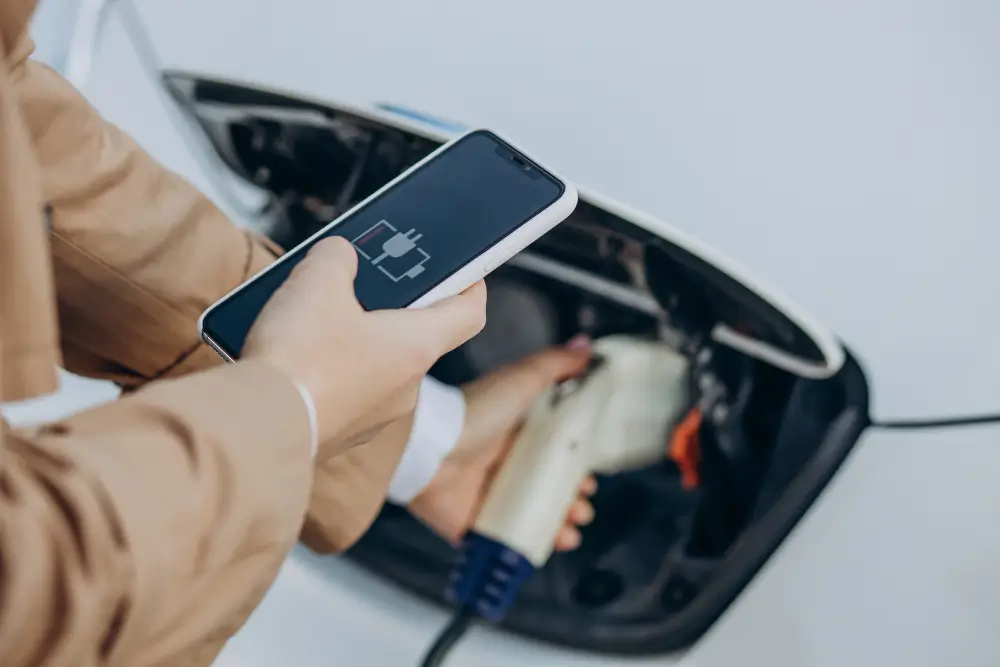
A few practical habits go a long way:
- Keep the battery cooling vent clear at all times.
- Vacuum pet hair and dust from the rear seat and cargo area regularly.
- Drive the car at least occasionally if it is not a daily driver.
- Park in shade or indoors when extreme heat is a factor.
- Pay attention to warning lights, fan noise, and sudden MPG drops.
None of these steps guarantees a battery will last forever, but they absolutely stack the odds in your favor.
The maintenance items owners miss most often
The most overlooked item is the battery cooling fan. On some hybrid models, especially older Toyotas, dust and lint can build up over time. If you carry pets often, the risk is even higher. A restricted fan means reduced airflow, and reduced airflow means more heat.
Some owners clean the fan themselves, but whether that makes sense depends on the vehicle and your comfort level with interior trim removal. If you are not confident, this is a good job for a shop familiar with hybrids. It is not the most glamorous service, but it can be far more valuable than chasing miracle battery additives or internet myths.
The 12-volt battery also deserves attention. It is not the main hybrid battery, but a weak 12-volt battery can cause strange electrical behavior, warning lights, and startup issues that confuse owners into thinking the traction battery is failing. Keeping the small battery healthy will not directly extend hybrid pack chemistry, but it can prevent misdiagnosis and unnecessary stress on the system.
Tire pressure and general mechanical condition matter too. Underinflated tires, dragging brakes, or neglected engine maintenance make the hybrid system work harder and can hurt fuel economy. That does not automatically damage the battery, but it does make the whole vehicle less efficient and can increase cycling demands in some driving situations.
Driving style: does it really matter?
Yes, but not in the way many people think. You do not need to baby a hybrid to keep the battery healthy. In fact, normal mixed driving is usually fine. The car is designed to cycle the battery regularly.
What tends to be harder on the pack is repeated exposure to extreme temperatures and prolonged disuse, not an occasional brisk merge onto the freeway. Aggressive driving can increase heat load, especially in hot weather or hilly conditions, but smooth driving mainly helps by reducing thermal stress and improving efficiency.

There is also a trade-off here. A hybrid that only does very short trips may not always operate at ideal efficiency, while one that gets regular mixed city and highway use often settles into a healthier pattern. You do not need a perfect routine. You just want to avoid extremes.
Warning signs your hybrid battery may need attention
Battery aging is often gradual. Owners usually notice subtle changes before total failure. That is good news, because catching issues early can sometimes prevent a more expensive chain of problems.
Watch for these signs:
- Fuel economy drops more than expected without another obvious cause.
- The engine runs more often than usual.
- The battery charge display swings quickly from high to low.
- Cooling fan noise becomes unusually loud or constant.
- Warning lights appear, especially hybrid system or check engine alerts.
- The car feels weaker under acceleration or less smooth in stop-and-go driving.
None of these symptoms proves the battery is dying. A dirty fan, a weak 12-volt battery, a sensor issue, or even neglected basic maintenance can create similar symptoms. That is why proper diagnosis matters.
Newer hybrid vs aging hybrid battery care
| Ownership Situation | Main Risk | Best Maintenance Focus |
|---|---|---|
| Newer hybrid under 5 years old | Heat exposure and neglect | Keep vents clear, drive normally, and avoid prolonged storage |
| Hybrid with 8-12 years or high mileage | Age-related capacity loss | Monitor MPG, check fan cleanliness, and diagnose warning signs quickly |
| A hybrid that sits often | Disuse and uneven battery conditioning | Drive it periodically and avoid long dormant periods |
| Hybrid in a very hot climate | Thermal stress | Prioritize shaded parking and cabin temperature control |
Can you recondition or revive a hybrid battery?
Sometimes, but this is where owners need a reality check. Battery reconditioning services and module replacements can make sense in certain cases, especially on older hybrids where a full new OEM battery is hard to justify. But these fixes vary a lot in quality and longevity.
A reconditioned battery can be a useful budget move if the car itself is older and not worth a major investment. On the other hand, if you plan to keep the car for years, a new battery pack is usually the more stable long-term answer. The cheap option can become the expensive option if it fails again quickly.
This is one of those it-depends decisions. Vehicle age, resale value, local labor rates, and how long you plan to keep the car all matter.
How to maintain hybrid battery on a used hybrid you just bought
If you bought a used hybrid and do not know its history, start with a baseline approach. Check for stored trouble codes, inspect the battery cooling intake area, evaluate the 12-volt battery, and look at the car’s fuel economy over a few weeks instead of one tank.
It is also smart to notice how the state-of-charge gauge behaves. Some movement is normal. Wild swings every few minutes can suggest imbalance or declining capacity, though you should not diagnose the battery from the dashboard alone.
For many used hybrid buyers, the smartest move is not panic maintenance. It is an informed observation. Learn what normal looks like for your car, then act early if that pattern changes.
What not to do
Owners sometimes make hybrid battery care harder than it needs to be. You do not need gimmicky chargers, mystery additives, or internet folklore. You also should not ignore overheating clues because the car still drives.
Avoid blocking rear vents with seat covers, luggage, or piles of stuff. Avoid letting the car sit dead for months. And avoid assuming every warning light means total battery failure. Hybrids are complex, but diagnosis should still be methodical.
For most owners, hybrid battery life comes down to temperature, use, and attention. Treat the cooling system like it matters, drive the car regularly, and do not wait for symptoms that keep getting worse. That is not glamorous advice, but it is the kind that can save you real money later. If you own a hybrid long enough, smart habits are usually the difference between a battery that ages gracefully and one that becomes an expensive surprise.