

Smart Car Maintenance Schedule by Mileage
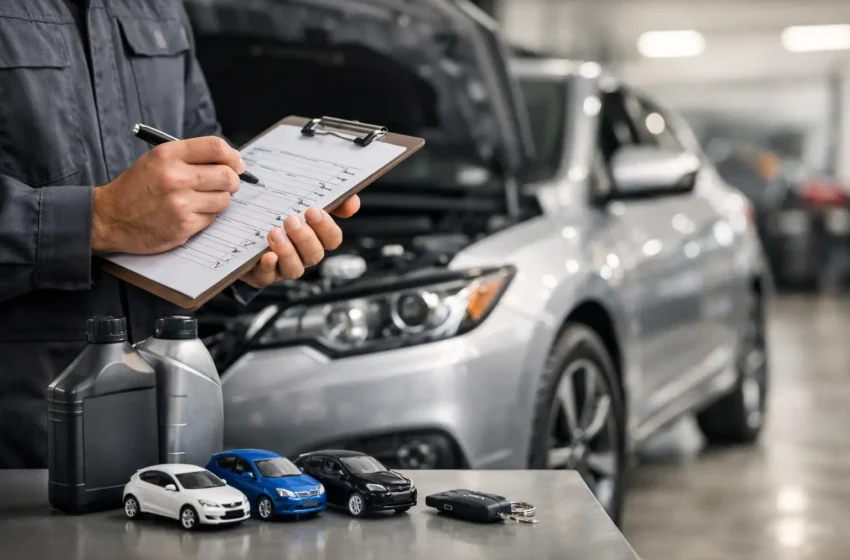
Miss one oil change, and your car probably survives. Ignore the next 30,000 miles of service, and that cheap commuter can turn into a very expensive project. A good car maintenance schedule by mileage is less about following a generic checklist and more about knowing which services actually protect reliability, fuel economy, and long-term ownership costs.
For most drivers, mileage is the best maintenance trigger because parts wear based on use, not the calendar alone. A car that racks up 15,000 highway miles a year lives a different life than one that creeps through city traffic, idles in school pickup lines, or takes short trips in extreme heat or cold. That is why the smartest schedule is a mileage-based baseline, adjusted for how the vehicle is actually driven.
Contents
- Why a car maintenance schedule by mileage works better than guesswork
- The mileage milestones that matter most
- What to check every 5,000 to 7,500 miles
- The 30,000-mile zone is where neglect starts getting expensive
- 60,000 miles is a major turning point
- A practical comparison: low-stress vs severe-use maintenance
- After 100,000 miles, maintenance becomes a strategy
- The smartest way to build your own schedule
Why a car maintenance schedule by mileage works better than guesswork
Modern cars can go much farther between some services than older vehicles, but that has made owners overconfident. Fluids still break down, filters still clog, belts still age, and tires still wear, whether the badge says Toyota, Ford, BMW, or Hyundai.
Mileage-based maintenance gives you a practical rhythm. Instead of waiting for a warning light or a strange noise, you plan around known wear intervals. That matters because many expensive repairs start as cheap preventive jobs. A neglected cooling system can become a head gasket problem. Old transmission fluid can turn a healthy gearbox into a slipping one. Worn spark plugs can stress ignition coils and hurt fuel economy before they ever trigger a misfire code.
There is a trade-off, though. Manufacturer schedules vary, and some include very long intervals designed to lower advertised ownership costs. That looks great on paper. In the real world, owners who keep vehicles past 100,000 miles often benefit from slightly more conservative service than the bare minimum.
The mileage milestones that matter most
The easiest way to think about maintenance is in stages. Not every car needs every item in the same quantity, but these mile markers highlight the services most owners should at least inspect or plan for.
Typical service timeline
| Mileage | Common Maintenance Items | Why It Matters |
|---|---|---|
| 5,000-7,500 | Oil change, tire rotation, fluid level check, brake inspection | Protects the engine, evens tire wear, catches leaks, and brake wear early |
| 15,000-30,000 | Engine air filter, cabin air filter, battery test, alignment check | Helps performance, HVAC function, starting reliability, and tire life |
| 30,000-60,000 | Brake fluid check, transmission service on some models, spark plugs on some turbo engines, coolant inspection | Targets wear items that affect drivability and major component life |
| 60,000-100,000 | Coolant replacement, spark plugs, serpentine belt inspection, and differential or transfer case fluid on AWD/4WD vehicles | Critical zone for aging fluids and ignition components |
| 100,000+ | Suspension inspection, water pump check, hoses, wheel bearings, and carbon buildup review on direct-injection engines | Prevents the expensive failures that show up in higher-mileage ownership |
That table is the baseline, not the gospel. A naturally aspirated Japanese sedan may tolerate longer intervals better than a turbocharged European SUV. A pickup that tows regularly needs more attention than a lightly used commuter. If your owner’s manual gives separate normal and severe schedules, most American drivers are closer to severe service than they think.
What to check every 5,000 to 7,500 miles
This is the heartbeat of your maintenance plan. Oil changes remain the big one, even with modern synthetic oil. Some cars claim 10,000-mile intervals, and plenty of them make it there without immediate drama. But if you do short trips, lots of idling, extreme temperatures, or spirited driving, shorter intervals are cheap insurance.
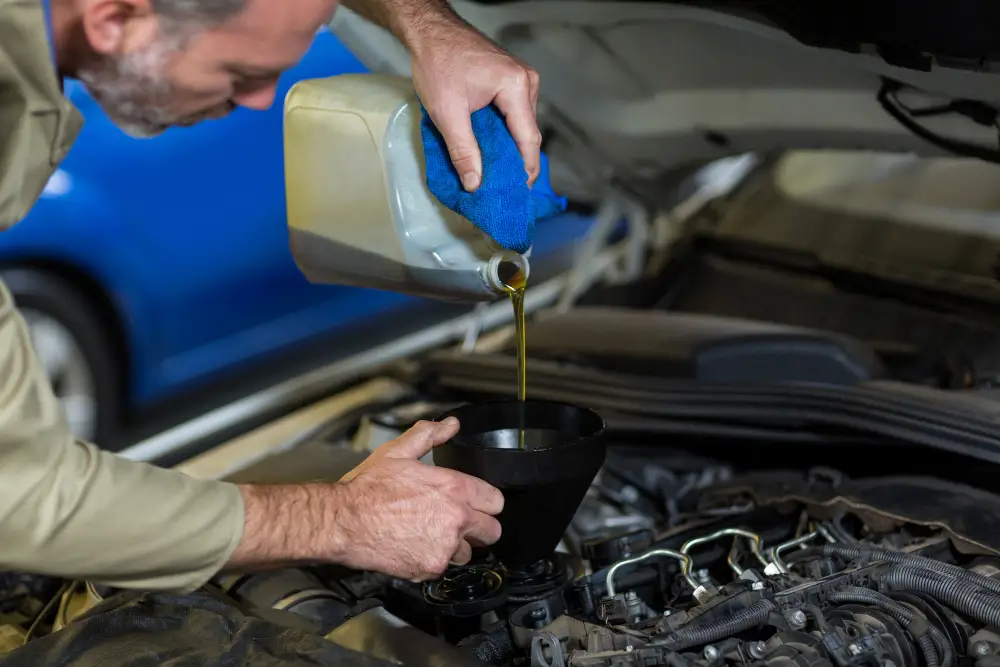
At the same visit, rotate the tires and inspect the brakes. Tire rotations are boring right up until you replace a full set 15,000 miles early because the fronts wore unevenly. Brake pad checks also matter because worn pads can quickly damage rotors, and that adds cost for no good reason.
You should also have fluid levels checked. That includes coolant, brake fluid, windshield washer fluid, and power steering fluid if the car uses hydraulic assist. Small leaks often show up here before they become roadside events.
The 30,000-mile zone is where neglect starts getting expensive
By 30,000 miles, many cars need more than oil and tires. Engine air filters and cabin air filters are common, and while neither job sounds dramatic, both affect daily use. A clogged engine filter can reduce performance and efficiency. A filthy cabin filter makes the HVAC system work harder and can leave the interior air smelling stale.
This is also a smart time to test the battery, inspect suspension components, and check alignment if the car pulls or the steering wheel sits crooked. If you drive on rough roads or have already hit a pothole hard enough to remember it, alignment and suspension wear can sneak up on you.
Some vehicles call for brake fluid service around this point, and that deserves more respect than it gets. Brake fluid absorbs moisture over time, which can reduce braking performance and contribute to corrosion inside the system. Owners tend to skip it because the car still stops. That is not the same thing as saying the system is healthy.
60,000 miles is a major turning point
If there is one mileage point where owners either preserve a car or start setting up future headaches, it is around 60,000 miles. This is where transmission fluid becomes a real conversation. Some automakers market transmissions as filled for life, but life is doing a lot of work in that sentence. If you plan to keep the car well past the warranty, fresh fluid often helps more than it hurts, assuming the correct spec and procedure are used.
Spark plugs also come into play here for many engines, especially turbocharged ones that run hotter and work harder. Fresh plugs improve combustion quality and can prevent coil stress, rough running, and fuel economy loss. On all-wheel-drive vehicles, differential and transfer case fluids may also be due, and these often get ignored because they are out of sight.
Coolant inspection matters too. Some long-life coolant formulas stretch far, but not forever. If the cooling system is marginal, everything from the radiator to the water pump to the thermostat becomes more vulnerable.
A practical comparison: low-stress vs severe-use maintenance
Not all 60,000-mile cars are equally worn. Usage changes everything.
| Driving Pattern | What Happens to the Car | Maintenance Impact |
|---|---|---|
| Mostly highway commuting | Fewer cold starts, steady temperatures, and less brake use | Oil, brakes, and transmission may age more slowly |
| Short-trip city driving | More cold starts, moisture buildup, and frequent braking | Shorter oil intervals and closer brake inspection make sense |
| Towing or hauling | More heat in the engine, transmission, and differential | Fluid services should happen earlier and more often |
| Hot, cold, or dusty climates | Faster wear on fluids, filters, and the battery | Filters, coolant, and battery checks become more important |
This is why copying a friend’s schedule can be a mistake. The same model can need very different care depending on whether it lives on the interstate or in stop-and-go traffic.
After 100,000 miles, maintenance becomes a strategy
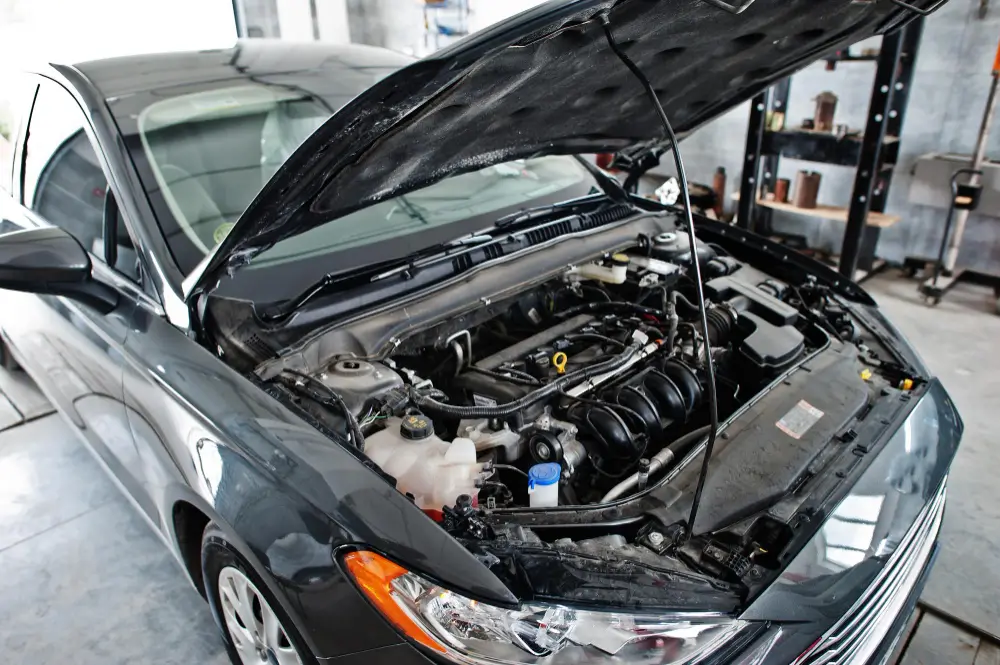
High-mileage ownership is where smart decisions separate a dependable older car from a money pit. Past 100,000 miles, inspections matter as much as scheduled replacements. Suspension parts, wheel bearings, hoses, engine mounts, and cooling system components start aging into failure territory.
This is also the mileage where carbon buildup can become a factor on some direct-injection engines, and oil consumption may start creeping up. Neither issue means the car is done, but both require attention. A high-mileage engine that gets regular fluid changes and honest inspections can still be a great value. One that has been maintained only when something breaks is riskier than the odometer alone suggests.
A few items deserve special caution here:
- Timing belts are non-negotiable on engines that use them. Skip the interval, and you can destroy the engine.
- Transmission service on neglected high-mileage cars can be tricky. A drain-and-fill is often safer than an aggressive flush, but this depends on the transmission and its condition.
- Suspension refreshes can transform how an older car drives, but costs add up fast if struts, control arms, tires, and alignment are all due together.
The smartest way to build your own schedule
Start with the factory schedule, then tighten it slightly if you plan to keep the vehicle long term. Keep records, even if you do your own work. That helps with resale value, warranty discussions, and simple memory. Very few owners regret replacing fluids a little early. Plenty regret pushing them too long.
A practical routine looks like this:
- Check oil, tires, and brakes regularly.
- Use mileage milestones to plan filters, fluids, plugs, and cooling system service.
- Adjust for severe use like towing, short trips, extreme weather, or performance driving.
- Treat unusual noises, vibrations, leaks, and warning lights as maintenance events, not inconveniences.
At Car Geek Talk, the best maintenance advice is usually the least glamorous: stay ahead of wear, and your car will usually stay ahead of expensive failures. The real win is not just keeping the vehicle running. It is keeping your options open, whether that means driving it to 200,000 miles or selling it before the big bills show up.
If you want one rule to remember, make it this: maintenance works best when it feels a little early, not a little late.