

What Cars Have Transmission Problems?
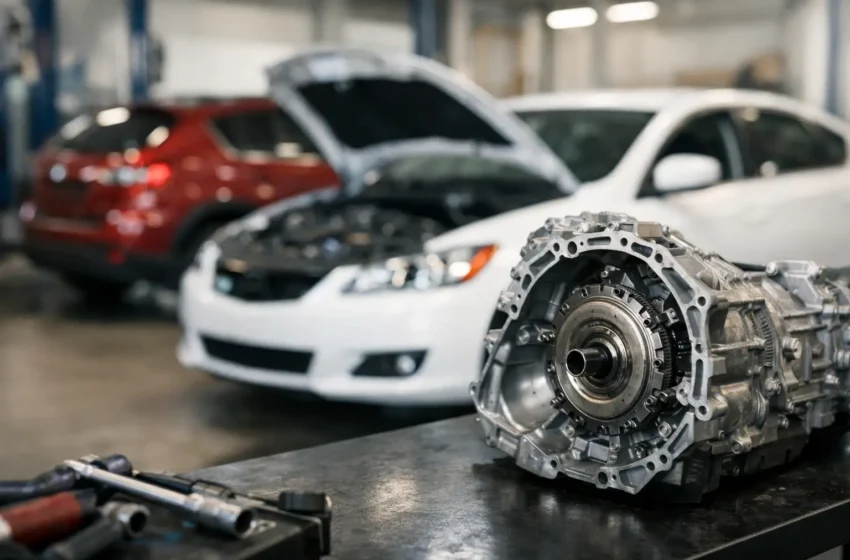
A used car can look perfect in photos, idle smoothly on a test drive, and still be one bad shift away from a repair bill that wipes out your budget. That is why so many buyers ask what cars have transmission problems before they sign anything. It is one of the smartest questions you can ask, because a bad transmission can turn a cheap car into an expensive mistake fast.
The tricky part is that transmission trouble is not limited to one brand, one country, or one type of vehicle. Some issues come from flawed CVT designs. Others come from dual-clutch gearboxes that never felt right in daily driving. And some old-school automatics simply had weak points that showed up once mileage climbed. If you are shopping used, the goal is not to panic. It is pattern recognition.
Contents
What cars have transmission problems most often?
There is no single master list that covers every bad transmission ever built, but a few names come up again and again because the failures were widespread, expensive, or hard to ignore.
Nissan is one of the biggest examples, especially models equipped with Jatco CVTs from the late 2000s into the 2010s. Cars like the Nissan Altima, Sentra, Versa, Rogue, and Pathfinder built in certain years developed a reputation for shuddering, overheating, delayed acceleration, and outright transmission failure. Not every single car fails, and some owners get decent life out of them with gentle driving and fluid service, but the risk is real enough that many used-car shoppers specifically avoid these models unless there is strong maintenance documentation and a price that reflects the gamble.
Ford also had a major black eye with the PowerShift dual-clutch automatic used in the Fiesta and Focus. On paper, it was supposed to improve efficiency. In practice, many drivers dealt with jerky takeoffs, hesitation, clutch wear, and repeated dealer visits. This transmission made normal commuting feel broken even when the car was technically operating as designed. That is a big difference from a transmission that is merely unrefined. In these cars, ownership frustration became part of the story.
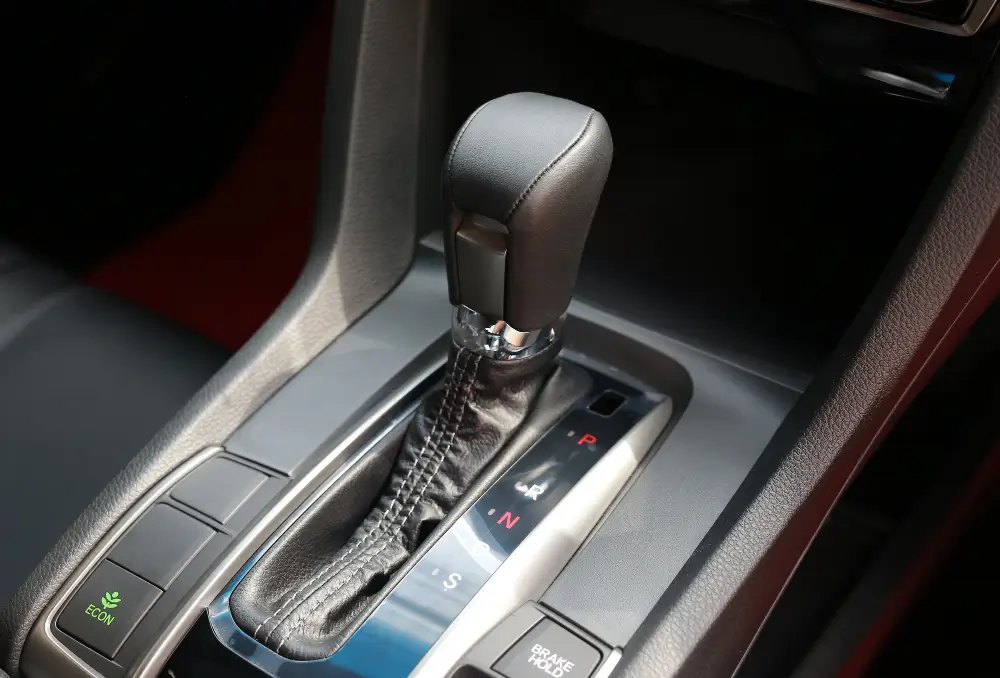
Certain Jeep and Chrysler products have had transmission complaints, too, although the details depend heavily on model and year. Some older Dodge and Chrysler minivans, sedans, and SUVs developed reputations for harsh shifting or early automatic transmission wear. It is not fair to paint the entire brand with one brush, but if you are shopping for older domestic vehicles, transmission history matters a lot.
GM has had trouble spots as well. Some Chevrolet, GMC, and Cadillac models with the 8-speed automatic faced complaints about shuddering, rough shifts, and strange behavior under light throttle. In many cases, the issue was tied to fluid or calibration fixes, but some owners still experienced persistent drivability complaints. This is the kind of problem that may not leave you stranded tomorrow, yet can still make a vehicle miserable to live with.
Honda and Toyota usually earn strong reliability marks, but they are not immune. Some older Honda automatic transmissions, especially in certain V6 models from the early 2000s, were known for being weak points. Toyota has generally done better, though some specific years and applications have had shift quality complaints or isolated failures. The lesson is simple: even good brands can produce bad combinations of engine, transmission, and model year.
Why do some transmissions fail more than others?
A lot of people ask what cars have transmission problems as if the answer is just a brand badge. It usually goes deeper than that. The type of transmission matters, the software matters, and how the previous owner drove the car matters, too.
CVTs are one major dividing line. A good CVT can be efficient and smooth enough for everyday use, but a bad one can feel strained, noisy, and fragile. Because CVTs do not shift like traditional automatics, many drivers ignore warning signs until the unit is already wearing out. Heat is the enemy here, and once internal damage starts, repair options are often limited.
Dual-clutch transmissions are another case where the engineering idea and real-world ownership do not always line up. In performance cars, a well-tuned dual-clutch can feel fantastic. In economy cars, especially older dry-clutch setups, they can be clunky at low speeds and expensive when problems start. Stop-and-go traffic is not always their friend.
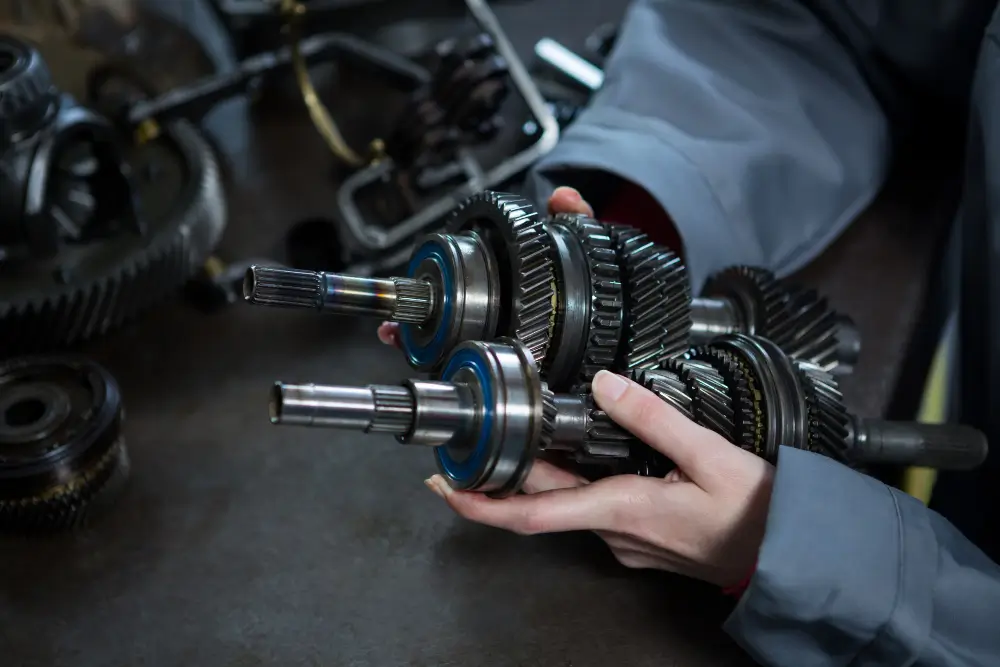
Traditional automatics can still fail, but they tend to be better understood by independent shops and sometimes cheaper to rebuild. That does not make them automatically safe. It just means the risk profile is different. A weak torque converter, worn valve body, or poor cooling design can still ruin the ownership experience.
Model shoppers should research extra carefully
If you are buying used, a few vehicles deserve more scrutiny than a normal pre-purchase glance.
The Nissan Altima and Nissan Rogue with CVTs are near the top of that list, especially from the high-volume years when complaints were common. The Ford Focus and Fiesta with the PowerShift transmission also deserve serious caution, even if the price looks tempting. Some used-car listings make these vehicles seem like bargains, but the low price often reflects the market already knowing the transmission story.
The Jeep Cherokee with the 9-speed automatic had its own rough start in certain early years. Some owners reported odd shifting, hesitation, or software-related drivability complaints. Not every issue meant catastrophic failure, but bad transmission behavior still matters if you want a car that feels predictable.
Older Honda Accord and Odyssey V6 models from the early 2000s are worth checking carefully because transmission failures were a known sore spot. On the GM side, some vehicles with the 8L45 and 8L90 8-speed automatics should be researched by exact year, powertrain, and service history rather than bought on brand reputation alone.
This is where enthusiast-level shopping helps. Do not just search the model. Search for the exact engine and transmission combo, the exact generation, and the exact year range. A 2014 model can be a headache, while a 2017 version of the same nameplate is much improved.
Warning signs before you buy
Transmission problems rarely announce themselves politely. Sometimes the signs are obvious, and sometimes they hide behind vague symptoms that sellers blame on “just how these cars drive.”
A hard shift into drive or reverse is one warning sign. Delayed engagement is another. If the engine revs but the car hesitates before moving, pay attention. Shuddering during acceleration, slipping between gears, sudden flare-ups in RPM, or a clunk on downshifts can all point to trouble.
On CVT-equipped cars, watch for droning noise, vibration under light throttle, or a rubber-band feeling where engine speed rises without matching road speed. On dual-clutch cars, repeated hesitation from a stop and jerky low-speed behavior deserve extra skepticism, especially if the seller says it has “always done that.”
A scan tool helps, but it is not magic. Some transmission issues will not trigger an obvious code during a short inspection. That is why a cold start test drive matters. Some cars behave worse when cold, others when fully warmed up. Ideally, you want both.
How to judge risk without overreacting
Not every rough-shifting car is doomed, and not every smooth-shifting car is healthy. That is the uncomfortable truth.
Proper maintenance matters a lot. If a model has a known weak transmission but the owner has records for regular fluid changes, software updates, cooler line service, or even a professionally replaced unit, that changes the equation. It does not erase risk, but it gives you something concrete to evaluate.
Price matters too. A car with a known transmission reputation should not command top-of-market money unless there is a compelling reason. If you are buying one anyway, the discount needs to be real enough to cover the possibility of future repairs.
Your use case also matters. A borderline CVT may survive longer in gentle highway commuting than in hot-weather city traffic with constant stop-and-go driving. A truck used for towing puts different stress on a transmission than the same truck used for errands. One owner can get 180,000 miles. Another can hit major trouble at 75,000. That does not mean the pattern is fake. It means driving conditions and maintenance change the odds.
What cars have transmission problems less often?
If you want to stack the odds in your favor, look for models with a strong reputation for conventional automatic durability and fewer widespread complaints. Many Toyota products with traditional automatics have done well over time. Several older and newer Mazda models have also earned praise for avoiding the worst CVT and dual-clutch pitfalls. Honda has many strong options too, as long as you avoid the known problem years and powertrains.
That does not mean you should shop by badge alone. It means you should use reputation as a filter, then verify the exact vehicle in front of you. The smartest buyers mix broad reliability trends with specific inspection discipline.
A transmission problem is one of the fastest ways for a fun car, family car, or bargain commuter to become dead weight in your driveway. If a model has a known history of failure, assume the market knows it too, inspect it like you mean it, and be willing to walk away. There is always another car for sale, and the right one will feel cheaper long after the purchase price is forgotten.
Helpful independent resources: RepairPal · NHTSA · your vehicle's owner's manual