
6 Best Cars That Hold Value Best
Depreciation is the cost most buyers feel too late. You get a great deal on the monthly payment, drive home happy, and then three years later, the trade-in number lands like a punch to the ribs. That is exactly why shoppers keep searching for cars that hold value best – because resale value can matter just as much as fuel economy, reliability, or sticker price.
For most owners, the best-value vehicle is not the cheapest one to buy. It is the one that loses the least money while still being dependable, usable, and reasonably affordable to maintain. That changes the conversation. Instead of asking only, “What can I buy for this price?” the smarter question is, “What will this car be worth when I’m done with it?”
Contents
What makes cars that hold value best different?
Resale value is not magic, and it is not just about brand reputation. The cars that stay expensive in the used market usually combine a few traits: strong reliability records, high demand, limited oversupply, sensible trim combinations, and an image that buyers trust. A Toyota Tacoma is a classic example. People want them, they are known to last, and there are never enough clean used ones to satisfy demand.
There is also a simple market reality at work. Some vehicles are bought heavily by rental fleets or sold with huge incentives when new. That can crush the used values. Others have complicated drivetrains, expensive repair concerns, or weak reputations for quality. Even if they were pricey when new, buyers get cautious fast in the secondhand market.
The opposite is also true. Vehicles with a loyal owner base and a reputation for long-term durability often keep a floor under their resale value. Trucks, certain body-on-frame SUVs, hybrids with proven systems, and enthusiast cars with strong followings tend to do better than average.
The cars that hold value best by type
A single winner does not exist because a Jeep Wrangler buyer and a Toyota Camry buyer care about different things. Still, a few nameplates repeatedly show up as strong resale performers.
Trucks and SUVs
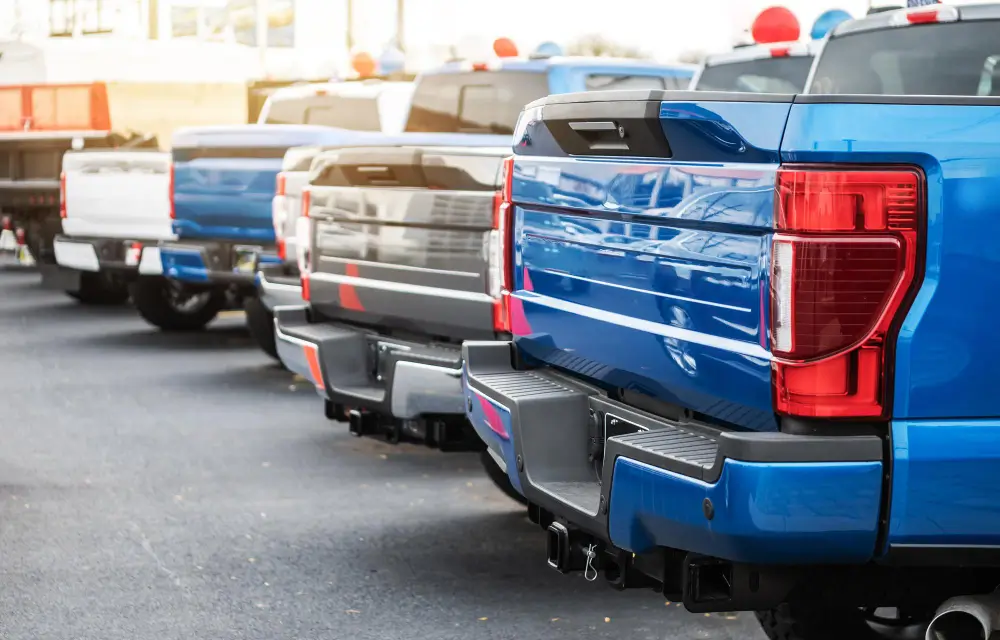
Pickup trucks and rugged SUVs are usually the resale stars. The Toyota Tacoma has long been one of the safest bets in the market. The Toyota 4Runner follows the same pattern. Both are not the newest-feeling vehicle in their class, but that simplicity is part of the appeal. Buyers know what they are getting, and used buyers trust them.
The Jeep Wrangler also deserves mention. It is not the most refined daily driver, and ownership can be more hit-or-miss than a Toyota, but demand stays extremely strong. The Wrangler benefits from lifestyle appeal in a way few vehicles do. That image keeps prices high even when objective comfort and fuel economy are not impressive.
The Honda CR-V and Toyota RAV4 also tend to hold up well. They are not flashy choices, but they hit the middle of the market where used demand is massive. People want practical crossovers that are efficient, dependable, and easy to live with.
Sedans and hybrids
Sedans generally depreciate faster than trucks and SUVs, but some still stand out. The Honda Civic and Toyota Corolla keep their value because the formula still works – low running costs, broad parts availability, and a reputation for surviving neglect better than many rivals.
The Toyota Camry and Honda Accord are solid, too, especially in mainstream trims. They are common, which can limit upside, but strong demand keeps them from falling apart on the resale side.
Hybrids deserve special attention now. The Toyota Prius and Toyota RAV4 Hybrid often perform well because buyers want fuel savings without betting on unproven tech. Toyota’s hybrid reputation is a huge advantage. A used hybrid with a known track record feels much less risky than a used luxury plug-in with expensive complexity.
Enthusiast and niche vehicles
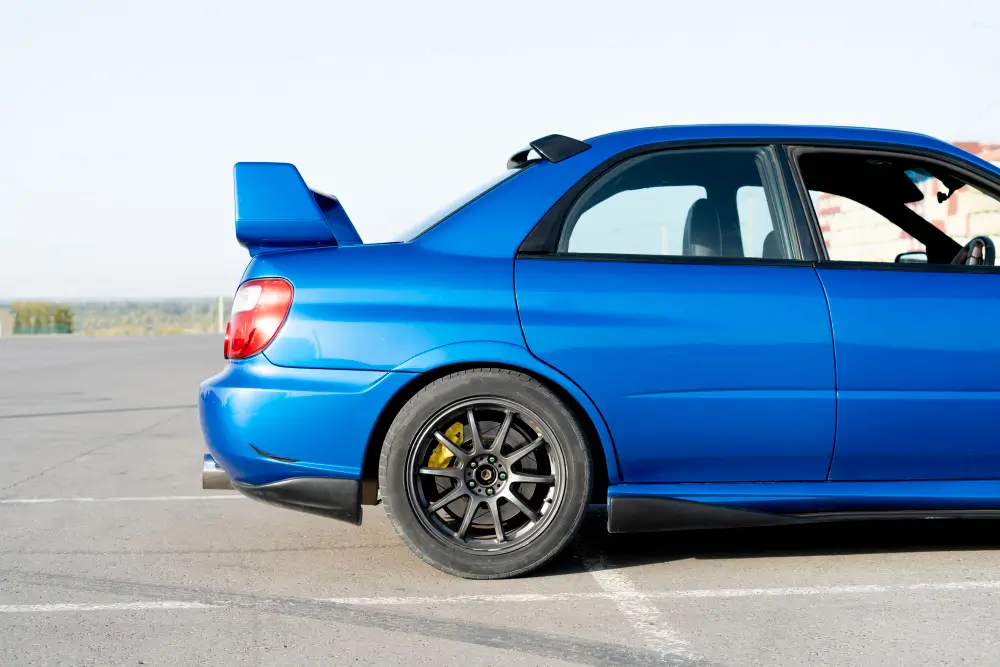
Some enthusiast cars hold value shockingly well, but this is where nuance matters. The Porsche 911 is famous for resisting depreciation better than many luxury cars, especially in desirable trims. The Subaru WRX also tends to attract loyal used buyers, though condition matters a lot because many examples are modified or driven hard.
The Ford Bronco has shown strong resale in some versions, though market hype can cool over time. The same goes for special-edition performance cars. Limited supply can support values, but buying at the peak of excitement is a dangerous game.
Comparison table: resale standouts and trade-offs
| Vehicle | Why It Holds Value | Main Trade-Off | Best For |
|---|---|---|---|
| Toyota Tacoma | Strong reliability reputation, huge used demand, and limited depreciation | High prices mean less bargain potential | Truck buyers focused on long-term value |
| Toyota 4Runner | Durability, loyal buyer base, body-on-frame appeal | Poor fuel economy and dated ride quality | SUV shoppers who prioritize longevity |
| Jeep Wrangler | Iconic image, strong enthusiast demand, off-road appeal | Comfort and reliability are not class-leading | Buyers who want resale and personality |
| Honda Civic | Broad demand, low ownership costs, proven dependability | Older used examples can still be expensive | Commuters and first-time buyers |
| Toyota RAV4 Hybrid | Fuel economy plus trusted hybrid system | New pricing can be steep in popular trims | Families wanting efficiency and resale |
| Porsche 911 | Strong brand demand, enthusiastic following, selective supply | Maintenance and repair costs stay high | Luxury buyers are watching long-term value |
Why resale value should not be your only filter
This is where people get tripped up. A vehicle can hold value well and still be the wrong buy. If you pay a huge premium up front for a model with legendary resale, your real savings may be smaller than expected. The Tacoma is a great example. It often holds value so well that used buyers end up paying close to new-car money for older trucks.
That means depreciation is only one part of the ownership equation. Insurance, fuel costs, financing rates, maintenance, and repair risk all matter. A luxury SUV with above-average resale can still cost far more to own than a mainstream crossover that loses a bit more value each year.
The smart move is to think in total ownership cost, not just resale headlines. Sometimes the right answer is a slightly less fashionable car with cheaper maintenance and a better purchase price.
How to shop for strong resale without overpaying
If your goal is to buy one of the cars that hold value best, timing and trim choice matter almost as much as the badge on the grille. Mainstream trims usually do better than weird configurations. A mid-level Honda CR-V with popular features will often be easier to resell than a heavily optioned version that cost thousands more new.
Color matters more than enthusiasts like to admit. White, black, gray, and silver are safe for resale because they appeal to the broadest pool of buyers. Bright green or orange might be fun, but they narrow your audience later.
Mileage and maintenance history still rule the used market. A sought-after model with neglected service records can lose its advantage fast. The best resale vehicles are usually the ones that look stock, have clean histories, and have been serviced on time.
A few practical rules help:
- Buy high-demand models, but avoid paying a hype premium.
- Stick with common trims and popular colors.
- Keep modifications minimal if resale matters.
- Save service records and address small cosmetic issues early.
That last point is underrated. Curb rash, cracked windshields, cheap tires, and overdue maintenance tell the next buyer you cut corners. That shows up in your resale number immediately.
The biggest resale traps to avoid
Some vehicles lose value for obvious reasons. Others are more deceptive. Luxury sedans are the classic trap. They feel like bargains used because they depreciate hard, but that drop usually reflects expensive repair exposure, weak used demand, or both.
EVs can be another mixed bag. Some newer electric models have seen sharper depreciation due to price cuts, changing incentives, and fast-moving battery tech. That does not make them bad cars. It just means resale is less predictable than it is for something like a RAV4 Hybrid or 4Runner.
Unproven redesigns deserve caution, too. A first-year model with major tech changes may look exciting, but the used market often rewards proven simplicity. Buyers trust what has already survived real-world ownership.
So which vehicles are the safest bets?
If you want the shortest answer, start with Toyota trucks and SUVs, Honda compact cars and crossovers, Toyota hybrids, and a few niche icons like the Jeep Wrangler and Porsche 911. Those nameplates have the strongest mix of demand, reputation, and resale history.
But the better answer is more personal. The best resale vehicle for a family in the suburbs may be a RAV4 Hybrid. For a commuter, it might be a Civic or Corolla. For an off-road buyer, it could be a Wrangler or 4Runner. The right pick depends on whether your biggest cost risk is depreciation, fuel, repairs, or just paying too much to begin with.
At Car Geek Talk, this is the real lesson worth remembering: the best car is rarely the one with the flashiest badge or the lowest monthly payment. It is the one that still makes financial sense when you look at the full ownership story – including the day you sell it.