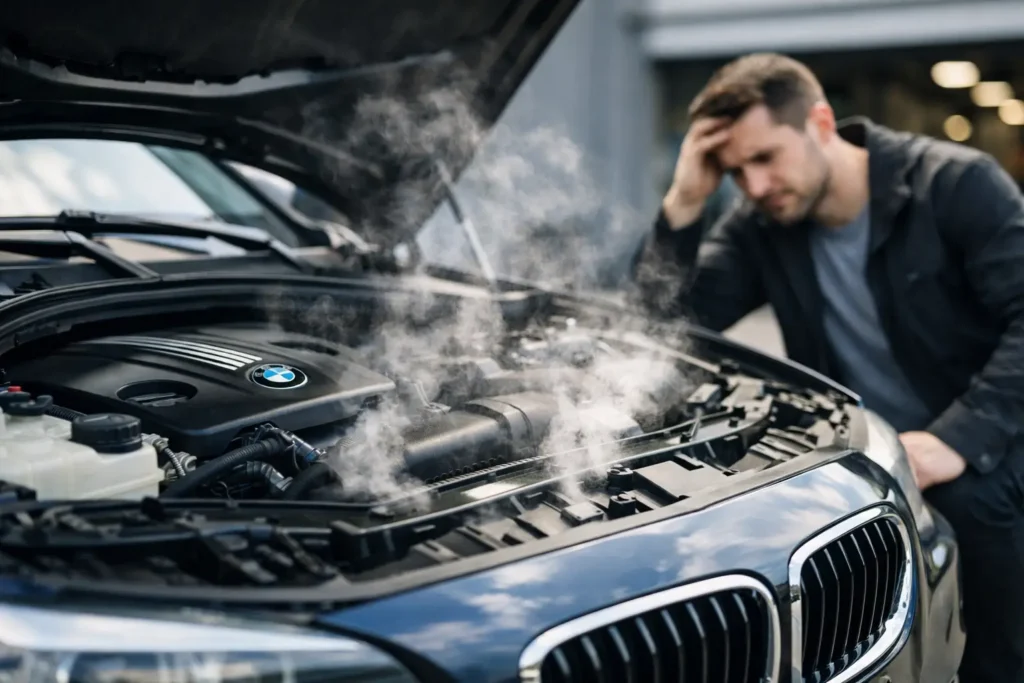

How to Diagnose Engine Knocking Fast
That sharp metallic ping under load is not a harmless old-car quirk. If you are trying to figure out how to diagnose engine knocking, the real job is separating a combustion problem you can often correct from bottom-end damage that can empty your wallet fast.
Engine knock is one of those terms drivers use for several different noises, and that is where people get burned. A true knock can come from abnormal combustion in the cylinders, but it can also describe a deeper mechanical knock from worn bearings, piston slap, valvetrain noise, or loose accessories. The fix depends entirely on which one you are hearing, when it happens, and what changed right before it started.
Contents
- How to diagnose engine knocking without guessing
- Quick symptom guide
- Start with the cheap checks first
- Common causes of knock and how to test them
- Comparison table: combustion knock vs mechanical knock
- A simple driveway diagnosis routine
- When the knock sensor matters – and when it does not
- Stop driving if you see these signs
- What will a shop usually do next?
How to diagnose engine knocking without guessing
Start with the conditions. Does the noise happen only during acceleration, when climbing a hill, or under heavy throttle? That points more toward spark knock or detonation. Does it knock at idle, stay with the engine at all times, and get louder as rpm rises? That leans toward a mechanical problem.
Before you touch a tool, think about the timeline. If the sound appeared right after a fill-up, a tune-up, an oil change, or an overheating event, those details matter. Bad fuel, incorrect spark plugs, low oil level, or heat-related damage can all produce sounds people describe as knock.
The first distinction: pinging vs mechanical knocking
Pinging is usually a lighter metallic rattle. It often shows up during acceleration and may fade when you back off the throttle. Mechanical knocking is heavier and duller, more like someone tapping the block with a small hammer. It is often more consistent and less tied to throttle load alone.

That difference is not perfect, because engines transmit sound in strange ways, especially on modern direct-injection vehicles. Still, it is the fastest first filter.
Quick symptom guide
| Symptom | Most Likely Cause | Usually Happens When | Risk Level |
|---|---|---|---|
| Light metallic ping | Detonation or pre-ignition | Acceleration, hills, hot weather | Moderate to high |
| Deep rhythmic knock | Rod bearing wear | Idle and rising with rpm | Severe |
| Cold start slap that fades warm | Piston slap | Cold starts | Low to moderate |
| Tapping from the top of the engine | Lifter or valvetrain noise | Idle, cold start, low oil pressure | Moderate |
| Rattle near the front of engine | Pulley, tensioner, or accessory issue | Idle or changing rpm | Low to moderate |
Start with the cheap checks first
A lot of expensive-sounding noises come from basic neglect or a recent mistake. Check the oil level and condition before anything else. Low oil can create lifter noise, timing chain noise, and bearing damage. If the dipstick is dry or the oil looks glittery, stop driving until you know more.
Then confirm the fuel grade. If your engine requires premium and you filled it with regular, load-related pinging is not surprising. Even if the owner’s manual says premium is only recommended, some turbocharged and high-compression engines become noticeably noisier on lower-octane fuel, especially in summer heat.
After that, scan for codes. A check engine light is not required for a knock-related issue, but trouble codes for misfires, lean conditions, knock sensors, or variable valve timing can steer you in the right direction.

Here is the practical order to follow:
- Check oil level, oil condition, and any signs of metal contamination.
- Confirm you used the correct fuel octane for the engine.
- Scan for codes, even if the check engine light is off.
- Listen for when the noise appears: cold start, idle, load, or all the time.
- Inspect around the belts, pulleys, and heat shields for simpler rattles.
- Review recent work, such as spark plug replacement, tune-ups, or overheating.
Common causes of knock and how to test them
Bad fuel or low octane
If the noise started after refueling and shows up mostly under load, suspect fuel first. Low-octane fuel can ignite too early or burn in a way that creates pressure spikes. That is the classic ping.
Run the tank down if practical, refill with the correct octane from a reputable station, and see whether the sound changes. If it improves quickly, you probably found your answer. If it does not, keep digging.
Carbon buildup
Carbon deposits can raise compression and create hot spots inside the combustion chamber. That makes an engine more prone to knock, even if you are using the right fuel. This is common on older engines and some direct-injection designs.
The clue is chronic pinging despite correct fuel and no obvious sensor fault. Sometimes a top-end cleaning helps, but severe buildup may need a more involved service. It depends on engine design and mileage.
Wrong spark plugs or ignition timing issues
Incorrect spark plugs are a sneaky cause. A plug with the wrong heat range can contribute to pre-ignition, and improperly gapped plugs can create other combustion issues. If the knock appeared after spark plug work, inspect part numbers first before blaming the engine internals.
On older vehicles with adjustable timing, over-advanced timing can also trigger knock. On newer cars, timing is usually computer-controlled, so you are more likely to be dealing with bad data from sensors, poor fuel, or carbon buildup.
Lean air-fuel mixture
An engine running lean burns hotter, and hotter combustion increases knock risk. Vacuum leaks, weak fuel delivery, dirty injectors, or sensor problems can all cause this. If you also notice hesitation, rough idle, or misfire codes, a lean condition belongs near the top of the list.
Rod knock
This is the one people fear for a reason. Rod knock is usually a deep, repetitive knock caused by bearing wear between the connecting rod and crankshaft. It often gets louder with rpm and may become more obvious when you lightly blip the throttle.
If you suspect rod knock, do not keep driving to “see if it clears up.” It usually does not. It usually gets more expensive.
Comparison table: combustion knock vs mechanical knock
| Category | Combustion Knock | Mechanical Knock |
|---|---|---|
| Sound | Sharp ping or rattle | Deep thud or hammering |
| When It Happens | Usually under load | Idle, load, and through rpm range |
| Common Triggers | Low octane, heat, lean mixture, carbon | Bearing wear, piston damage, and valvetrain issues |
| Can It Change Fast? | Yes, with fuel or timing changes | Usually persists or worsens |
| Typical Repair Cost | Low to moderate | High to extreme |
A simple driveway diagnosis routine
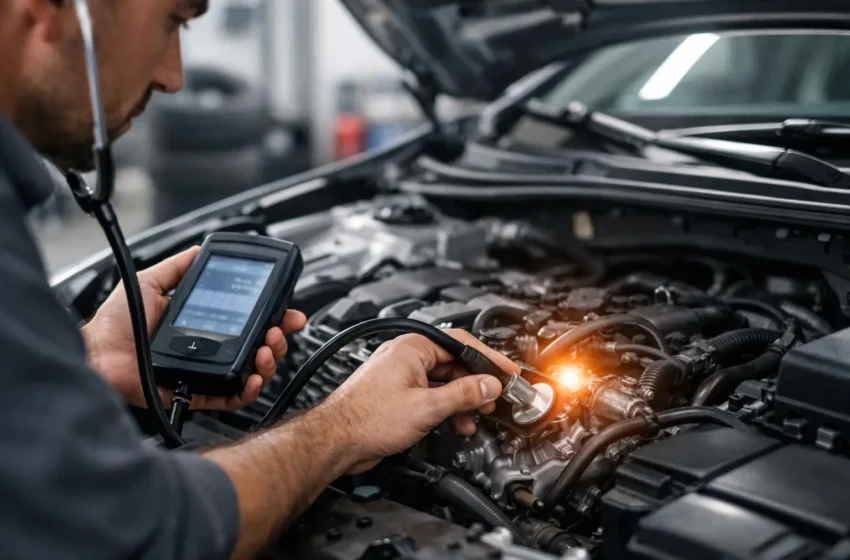
If you want a realistic DIY process, warm the engine, then listen at idle with the hood open. Use caution around moving belts and fans. A mechanic’s stethoscope helps, but even a careful ear can tell whether the sound is stronger at the top of the engine, the front accessory drive, or deep in the block.
Next, note whether the noise changes with load. A short, careful drive around the block can reveal a lot. If the sound appears during uphill acceleration or when you give it more throttle in a higher gear, that favors detonation. If it is there all the time and rises with rpm, that is more concerning.
Then test recent variables. If you just changed plugs, verify the exact plug type. If you just bought the car, do not assume the previous owner used the right oil, fuel, or maintenance parts. At Car Geek Talk, this is where used-car buyers often find the brutal truth: the engine may not be failing, but deferred maintenance can make it sound like it is.
When the knock sensor matters – and when it does not
Modern engines use knock sensors to detect vibration patterns associated with detonation and then pull timing to protect the engine. That is helpful, but it is not magic. A bad knock sensor can prevent the system from reacting properly, and severe low-octane or lean-condition knock can still happen.
Just as important, a knock sensor does not diagnose rod knock for you. It is tuned for combustion events, not every internal mechanical failure. So if you are hearing a deep knock with low oil pressure or metallic debris in the oil, sensor logic is no substitute for shutting the engine down.
Stop driving if you see these signs
Some noises let you schedule a repair. Others mean park it now.
- The knock is deep, constant, and getting louder quickly.
- Oil pressure is low, or the oil warning light is on.
- You find metal flakes in the oil.
- The engine recently overheated badly.
- The noise is paired with misfires, smoke, or severe power loss.
Those symptoms move the problem from troubleshooting to damage control.
What will a shop usually do next?
A good shop will verify the sound, scan live data, inspect oil condition, and look for misfire or fuel-trim clues. They may isolate cylinders, use a stethoscope, inspect spark plugs for abnormal combustion signs, and, in serious cases, perform compression or leak-down testing.
That matters because two engines can make similar noises for completely different reasons. A turbo four-cylinder with low-octane ping and a worn V8 rod bearing are not even close in repair path or cost, even if both owners say, “It has an engine knock.”
If you hear knocking, the smartest move is not to panic. It is precision. Figure out when it happens, what changed, and whether the sound behaves like combustion knock or internal damage. That one distinction can save you from replacing parts you do not need – or from destroying an engine that was still salvageable yesterday.