
Hybrid Car Negatives: Exploring the Downside of Eco-Friendly Driving

When it comes to making eco-conscious choices, hybrid cars have gained popularity for their fuel efficiency and reduced emissions. However, like any technology, they come with their own set of downsides. In this guide, we cover the key disadvantages of hybrid cars and why, despite their many advantages, they may not be the perfect choice for everyone.
Contents
The Hybrid Car Negatives in Detail
High Initial Cost
One of the most significant hybrid cars negatives is their high initial cost. Hybrid technology is still relatively new and, as a result, the production and development costs are high. This cost is then passed on to the consumer, making hybrid cars more expensive than their traditional counterparts. However, it’s essential to consider the long-term cost savings, which can offset the initial investment.
Limited All-Electric Range
Hybrid cars are designed to switch between gasoline and electric power, but they often have a limited all-electric range. This means that you may still be relying on gasoline for a significant portion of your daily commute, defeating the purpose of reducing emissions and fuel consumption. This could be one of the biggest hybrid car negatives.
Reduced Trunk Space
Another downside of hybrid cars is that their battery packs take up a considerable amount of space, often in the trunk area. This reduction in trunk space can be a significant drawback, especially for families or individuals who rely on ample cargo space for their activities and needs.
Maintenance Costs

While hybrids are known for their reliability and low maintenance costs compared to traditional gasoline vehicles, when repairs are needed, they can be expensive. The specialized components and systems in hybrid vehicles require specialized knowledge and parts, which can result in higher repair bills.
Depreciation
Hybrid cars tend to depreciate faster than traditional vehicles. This is partly due to the rapid advancements in hybrid technology, making older models less appealing to potential buyers. If you’re planning to sell or trade in your hybrid car in a few years, be prepared for a lower resale value.
Charging Infrastructure
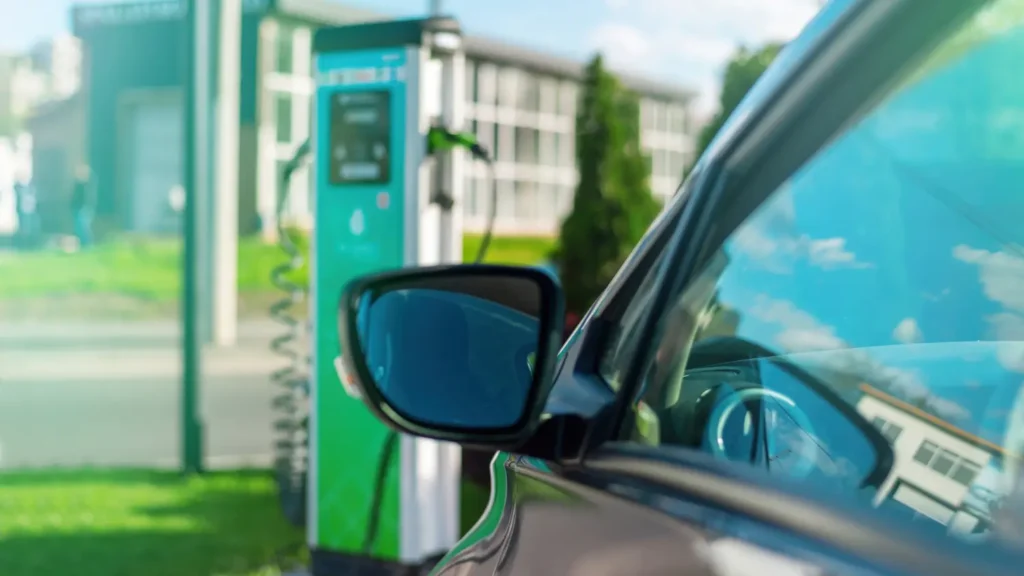
Unlike fully electric vehicles, hybrid cars don’t rely solely on electric charging infrastructure. However, they still require charging stations for their batteries. Depending on where you live, you may find that charging stations are not as readily available as gas stations, which can be inconvenient for those relying on electric power for their daily commute. That is one of the biggest hybrid car negatives.
Complexity
The technology behind hybrid cars is sophisticated and intricate. While this is a positive in terms of fuel efficiency, it can also lead to more complex maintenance and repair procedures. Finding a qualified technician who can service your hybrid vehicle may be challenging, and it may take longer to get your car back on the road.
Environmental Impact
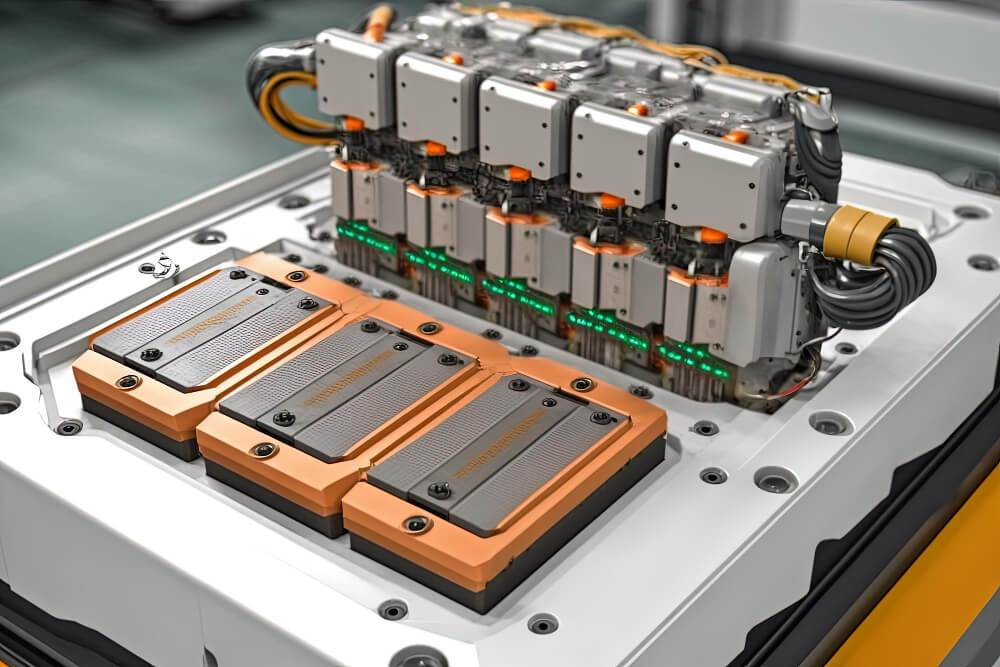
While hybrid cars are indeed more eco-friendly than traditional gasoline vehicles, they are not entirely free of environmental concerns. The manufacturing and disposal of hybrid batteries can have negative ecological consequences. Proper disposal and recycling of these batteries are crucial to minimize their impact on the environment.
The Future of Hybrid Cars
As technology continues to evolve, some of these negatives may be addressed or mitigated. For example, advancements in battery technology may increase the all-electric range of hybrid cars, and the charging infrastructure may become more widespread. Likewise, with increased market competition, the initial cost of hybrid cars could decrease.
However, it’s essential to consider these hybrid car negatives when deciding whether that kind of car is right for you. While they offer many benefits, they may not align with the specific needs and preferences of every driver.
Hybrid Car Negatives: Conclusion
Hybrid cars are a step in the right direction when it comes to reducing our carbon footprint and dependence on fossil fuels. However, they are not without their downsides. High initial costs, limited all-electric range, reduced trunk space, maintenance expenses, and depreciation are some of the hybrid car negatives that potential buyers should keep in mind.
Additionally, the availability of charging infrastructure, the complexity of hybrid technology, and the environmental impact of hybrid batteries can be factors that impact your decision. It’s crucial to weigh these negatives against the positives and consider your individual driving habits and priorities before leaping into hybrid car ownership.
In the end, hybrid cars are not a one-size-fits-all solution, and it’s essential to make an informed decision based on your specific needs and environmental goals. As technology continues to advance, we can hope to see some of these negatives addressed, making hybrid cars an even more attractive and practical option for eco-conscious drivers.
Interested in learning more about hybrid cars? Visit our Electric & Hybrid Cars blog section.