
VW 2.0T Engine Reliability: Unveiling the Performance and Durability
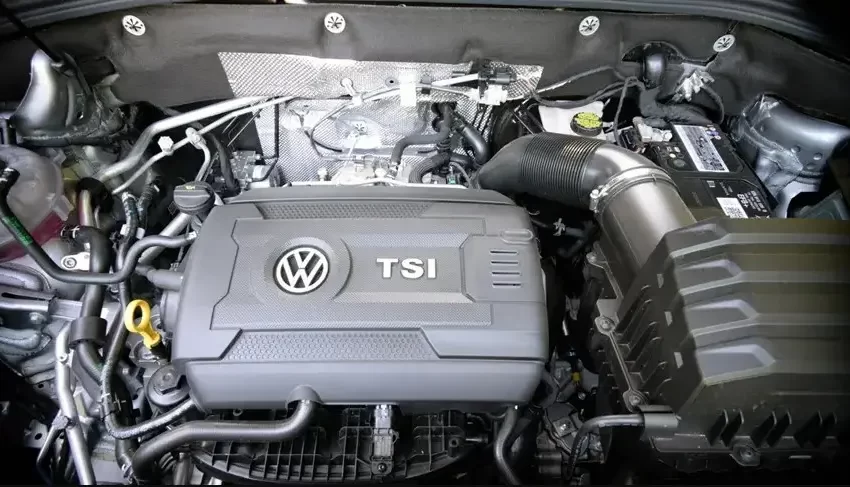
VW 2.0T engine reliability comes down to one thing most listings never mention: which generation you’re buying. The EA888 turbocharged four-cylinder has gone through three distinct versions since 2005, and the gap between a 2009 car and a 2015 car is bigger than most reviews ever explain. “Is the 2.0T reliable” isn’t really answerable without that context first — and unveiling that context is where I always start when someone asks me about buying one.
Contents
VW 2.0T Engine Reliability by Generation
Gen 1 (2005–2008) showed up in low numbers in the US — mostly the Passat, Jetta GLI, and Audi A3 — and it’s the version you’ll run into least today. Gen 2 (2008–2013) is the one flooding the used market right now: GTI, Passat, Jetta, and the Audi A4/A5 all ran it, and it’s also the generation with the reputation problems people bring up first. Gen 3 (2014 and later), built on the MQB platform for the Golf, GTI, Passat, and Tiguan, is a genuinely different engine under the same name — Volkswagen revised the oil pump drive, the turbo, and the injection system after years of feedback from the earlier two.
The Timing Chain Tensioner Issue I Wouldn’t Ignore
Gen 2 cars used a tensioner design that wears out earlier than it should, and when it goes, the timing chain can skip. A rattle on cold start that fades after a few seconds is the first warning sign, and it’s not one I’d wait on. Caught early with the updated tensioner, the fix runs somewhere around $1,500–$2,500. Ignored, a skipped chain can bend valves and turn into a full engine replacement. This tends to surface between 60,000 and 90,000 miles, which is exactly the range where a lot of these cars are changing hands.
Carbon Buildup: The Maintenance Item Owners Skip
Because the 2.0T is direct-injected, fuel never washes over the back of the intake valves the way it does on a port-injected engine, so carbon deposits build up there over time. Gen 1 and Gen 2 engines feel this the most; Gen 3’s dual injection setup cuts it down considerably. A walnut blasting service every 40,000–60,000 miles, running roughly $300–$500, keeps it in check. Skip it long enough and you’ll notice a rough idle or a misfire before you notice anything else.
Water Pumps and Other Wear Items
The plastic water pump housing is a known weak point across all three generations, typically cracking somewhere between 60,000 and 100,000 miles and running $400–$700 to replace. Ignition coils and the PCV valve are the other two parts I’d budget for over a long ownership period — neither is expensive on its own, but together they add up to the kind of maintenance a 2.0T actually needs to hit six-figure mileage.
VW 2.0T Reliability at a Glance
| Generation | Years | Known Weak Points | Realistic Mileage Ceiling |
|---|---|---|---|
| Gen 1 | 2005–2008 | Carbon buildup, oil consumption | 120,000–150,000 mi |
| Gen 2 | 2008–2013 | Timing chain tensioner, carbon buildup, water pump | 100,000–150,000 mi with upkeep |
| Gen 3 | 2014–present | Far fewer issues, dual injection | 150,000–200,000+ mi |
What I’d Actually Buy (and What I Wouldn’t)
I wouldn’t recommend buying a high-mileage Gen 2 without service records showing the tensioner’s already been replaced — that’s the one item that turns a manageable repair into an engine-out job if it’s ignored. That’s not an absolute rule, though: a well-documented Gen 2 with the updated parts already installed can still be a smart buy, often cheaper than chasing a Gen 3 with the same mileage. For anyone who wants fewer surprises and doesn’t mind paying a bit more upfront, the VW 2.0T engine in its Gen 3 form is the easier recommendation. This EA888 generation breakdown goes deeper into the specific part changes between versions if you want the mechanical detail.
My Bottom Line on the VW 2.0T
My honest take after watching plenty of these engines come through the shop is that the 2.0T earns its reputation only when the maintenance history backs it up. A well-kept Gen 2 can outlast a neglected Gen 3, and the paperwork tells you more than the model year does. A VW 2.0T is only as reliable as the service records that come with it. Long-term performance and durability come down to that paperwork more than the badge on the trunk. Interested in deeper insights into how car engines and related systems work? You’ll find detailed guidance in our Maintenance and Repair section.
Helpful independent resources: RepairPal · NHTSA · your vehicle's owner's manual