
7 Best First Project Car Picks That Won’t Punish You
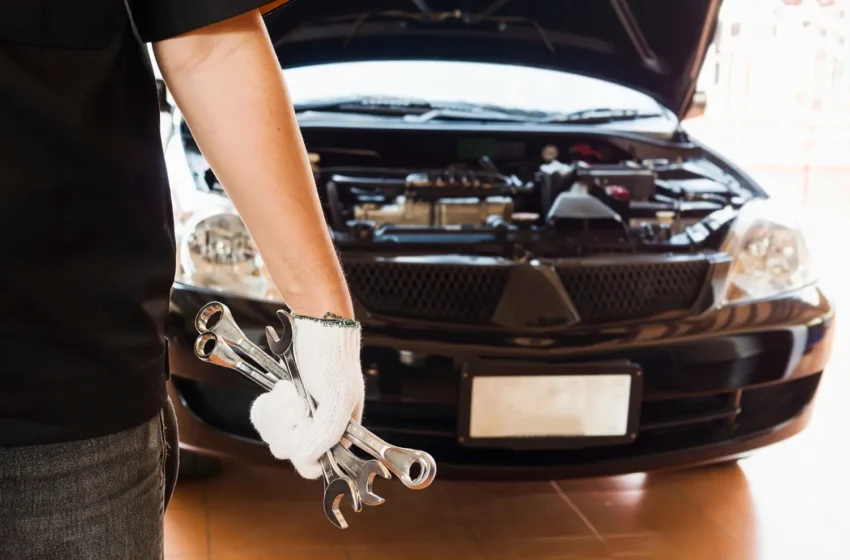
You do not want your first project car to teach you every lesson the hard way. The best first project car is not the coolest car in your group chat, the rarest badge on Marketplace, or the cheapest thing that barely rolls onto a trailer. It is the car that gives you a real chance to learn, find parts, make mistakes, and still drive it again next weekend.
That is the trap many first-time buyers fall into. They shop with their heart, then get buried by parts delays, electrical nightmares, rust repair, or a platform with zero community support. If your goal is to build skills rather than collect unfinished projects, you need a forgiving, well-documented, and reasonably cheap-to-maintain car.
Contents
What makes the best first project car?
A good beginner project is simple enough to diagnose, common enough to source parts for, and interesting enough that you actually want to keep working on it. That balance matters more than raw horsepower or internet hype.
Manuals and forum support help, but so does physical access. A roomy engine bay, straightforward suspension layout, and predictable parts pricing can save a first-time owner a lot of frustration. The best first project car usually has strong aftermarket support, a healthy used-parts ecosystem, and no reputation for catastrophic weak points that instantly turn a budget build into a money pit.
There is also a real difference between a project and a rescue. A non-running bargain can look tempting, but a running, driving car is usually the smarter buy. It lets you fix one thing at a time and actually feel your progress.
7 best first project car options for beginners
These are not the only good choices, but they are among the strongest places to start if you want to wrench, learn, and avoid expensive regret.
1. Mazda Miata NA or NB
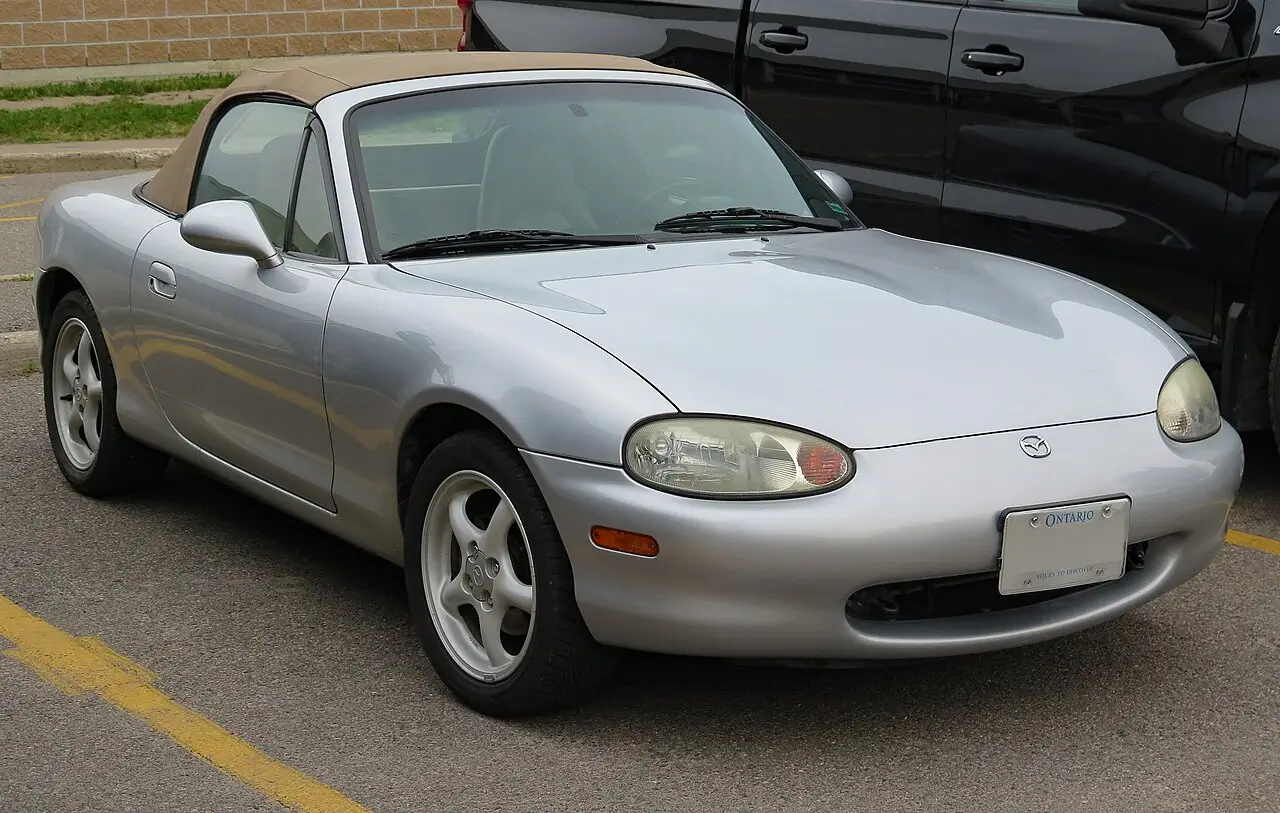
The Miata has become the default answer for a reason. It is mechanically simple, rear-wheel drive, light, and supported by one of the biggest enthusiast communities in the country. Parts are everywhere, used examples are common, and there is an endless amount of DIY knowledge around maintenance and modifications.
The downside is obvious: everybody knows it is desirable now, so clean cars are not as cheap as they used to be. Rust also matters, especially on older cars from wet climates. Still, if you can afford a decent one, the Miata is one of the safest bets for a first build.
2. Honda Civic 1990s to mid-2000s
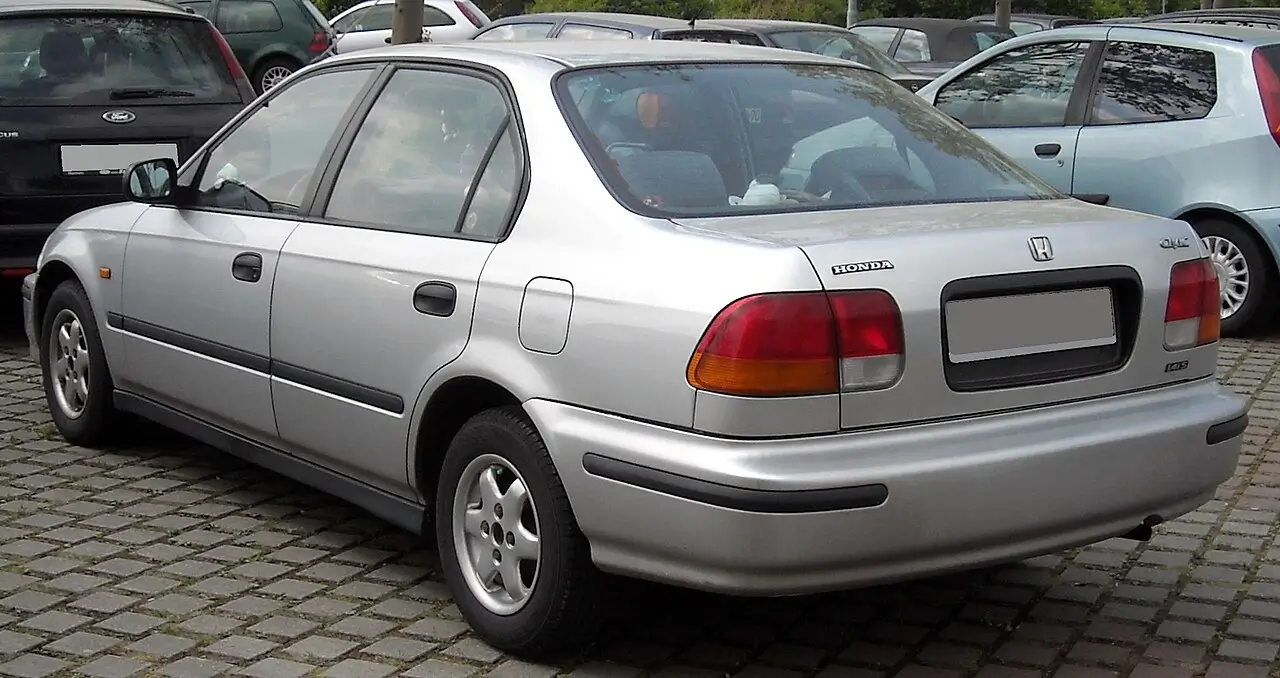
If your budget is tighter and front-wheel drive does not bother you, the Civic is still one of the smartest beginner platforms. The engines are durable, the aftermarket is massive, and basic maintenance is approachable for new DIY owners. You can learn brakes, suspension, cooling systems, tune-up work, and even engine swaps if you get serious later.
The catch is that many older Civics have already been modified badly, stolen and recovered, or neglected. Clean examples are worth the extra money. A boring stock Civic beats someone else’s half-finished build every single time.
3. Ford Mustang GT or V6 SN95/New Edge
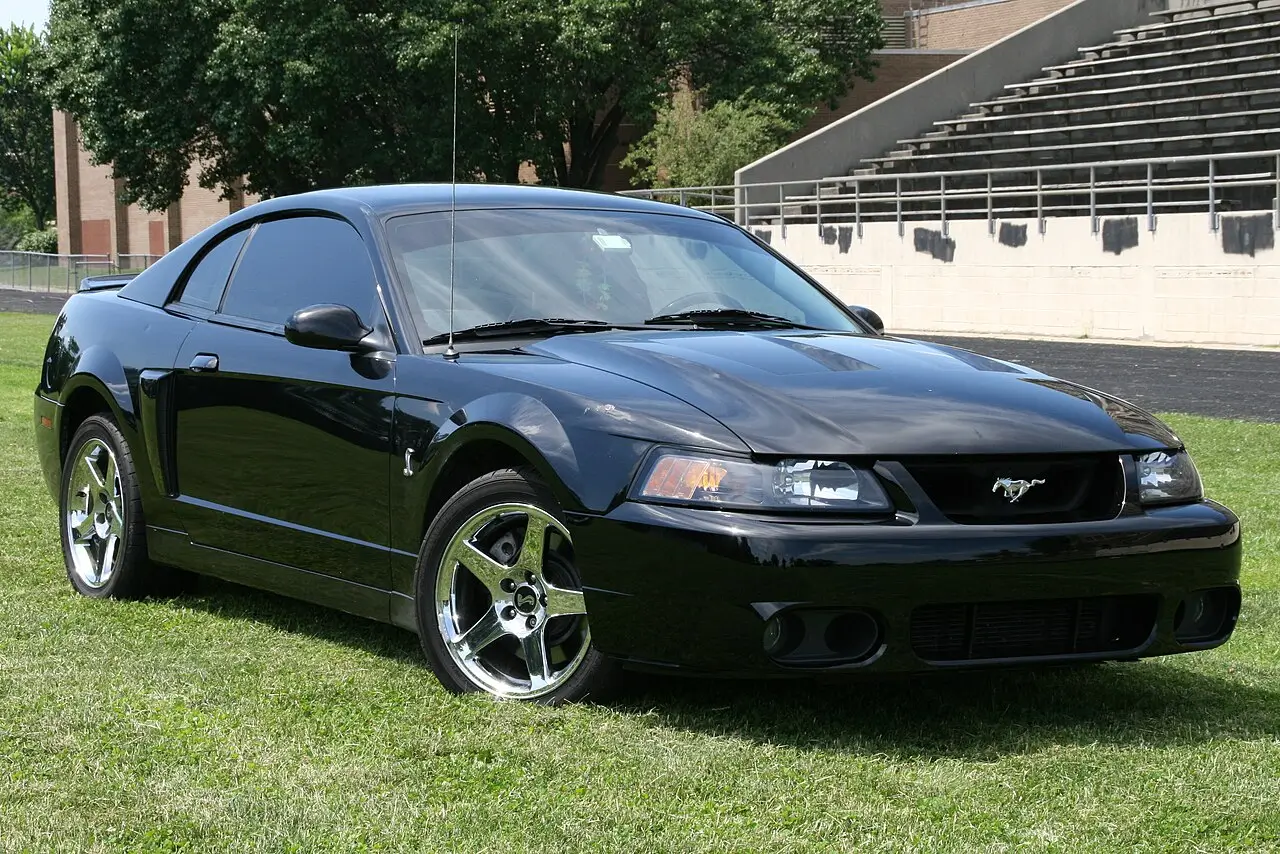
For buyers who want classic American simplicity without jumping straight into a full classic car, the 1994-2004 Mustang is a strong middle ground. The platform is easy to understand, parts are cheap, and there is huge support for both maintenance and performance upgrades.
The V8 GT gets the attention, but a clean V6 can still be a good first project if the price is right. These cars are not refined by modern standards, and the interior quality can feel cheap, but that simplicity is part of the appeal when you are learning.
4. Acura RSX
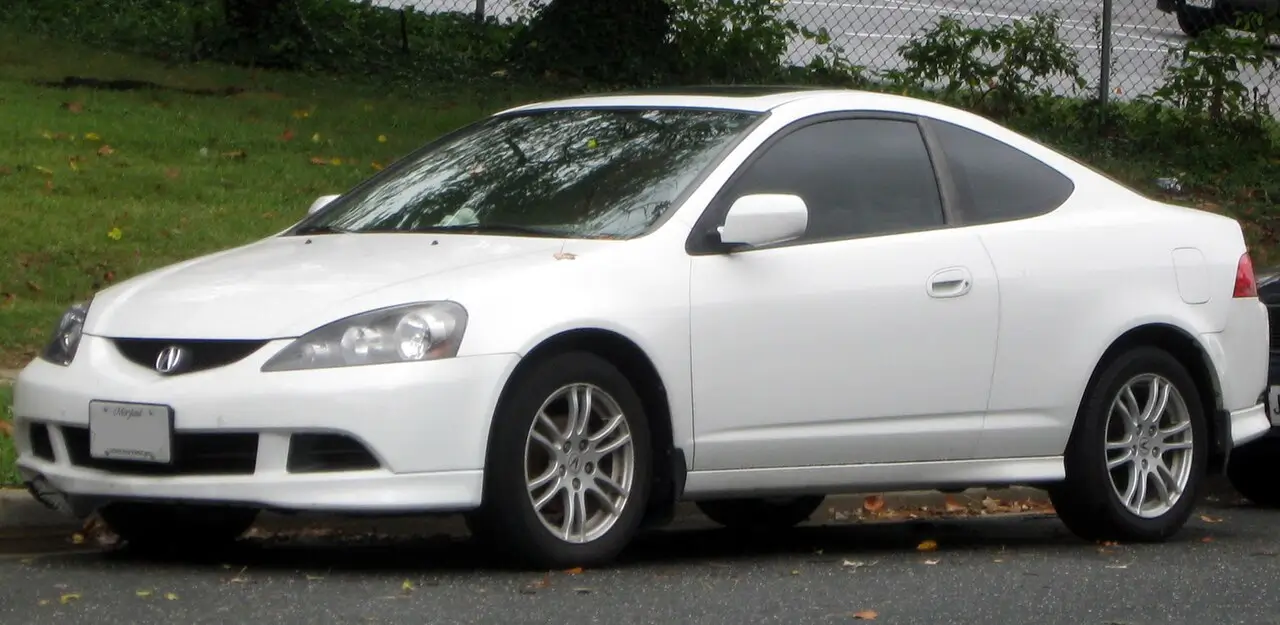
The RSX is a great fit for someone who wants Honda reliability with a little more personality. It has a strong engine family, excellent aftermarket support, and a hatchback body that makes it more practical than some sport compact alternatives.
It is also a better real-world ownership proposition than some older tuner icons because you can still use it as transportation without constant drama. Prices on the best Type-S cars have climbed, so the base model often makes more sense as a first project.
5. BMW E36 or E46 3 Series
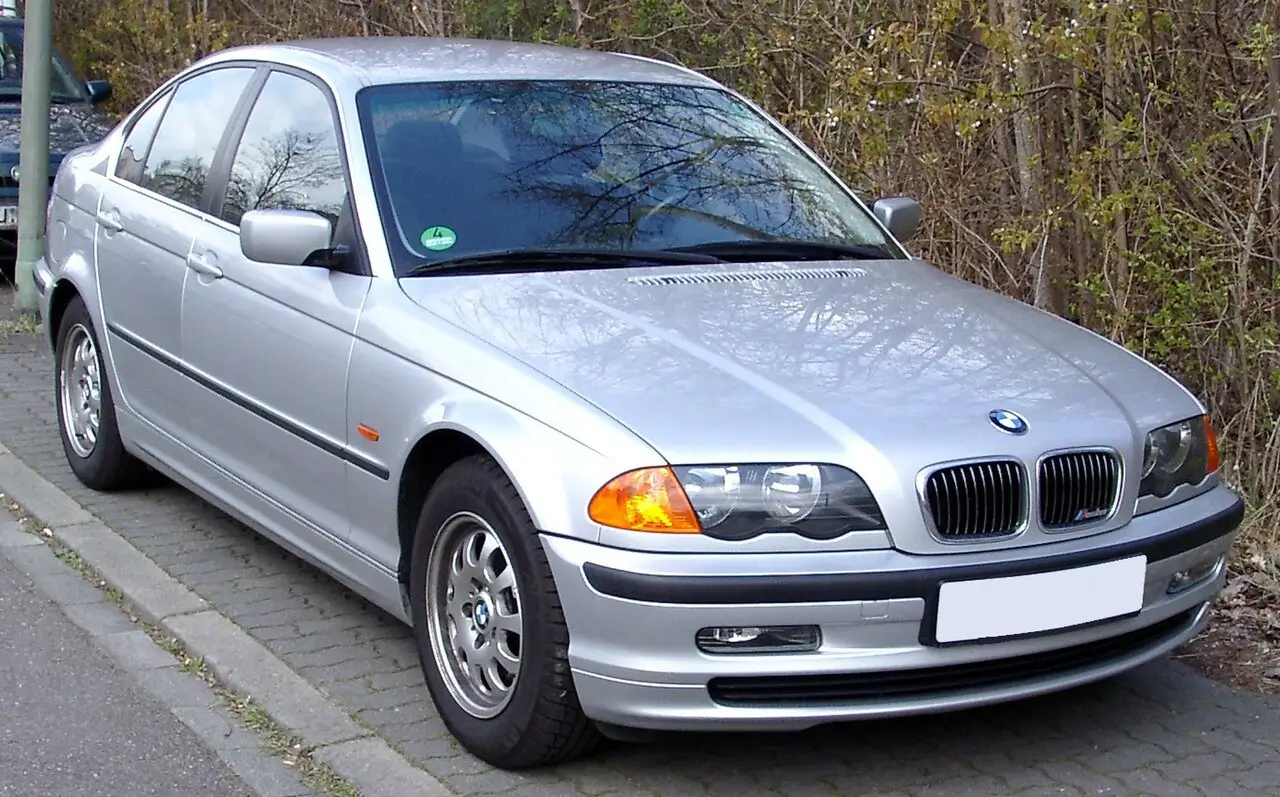
This is where the conversation gets more nuanced. An older 3 Series can be a fantastic learning tool if you want rear-wheel drive handling and do not mind a steeper maintenance curve. They are well documented, rewarding to drive, and there is no shortage of parts suppliers.
But this is not the cheapest path. Cooling systems, oil leaks, bushings, and age-related electrical issues are common realities. The best-case scenario is buying one that is complete, running well, and in need of gradual sorting. The worst-case scenario is buying a cheap one because it seems like a German bargain.
6. Chevrolet C10 or square-body truck
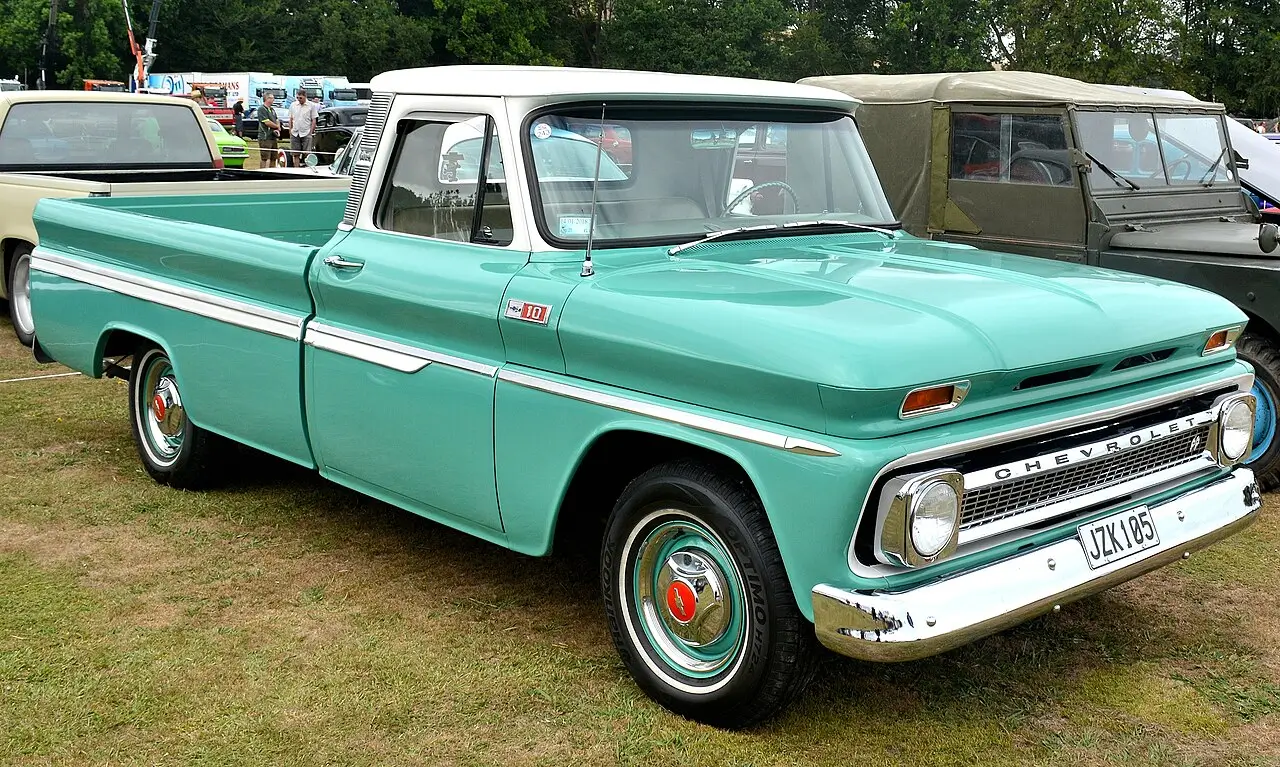
Not everyone wants a coupe or compact car. If your idea of a project involves basic mechanical work, huge engine bay space, and an old-school platform that does not fight you, a classic GM truck makes a lot of sense. These trucks are simple, durable, and easy to work on compared with many cars.
The trade-off is that old trucks can hide rust, old wiring problems, and decades of patched repairs. They are also less nimble and less efficient than the smaller options here. But for pure wrenching access, they are hard to beat.
7. Lexus IS300
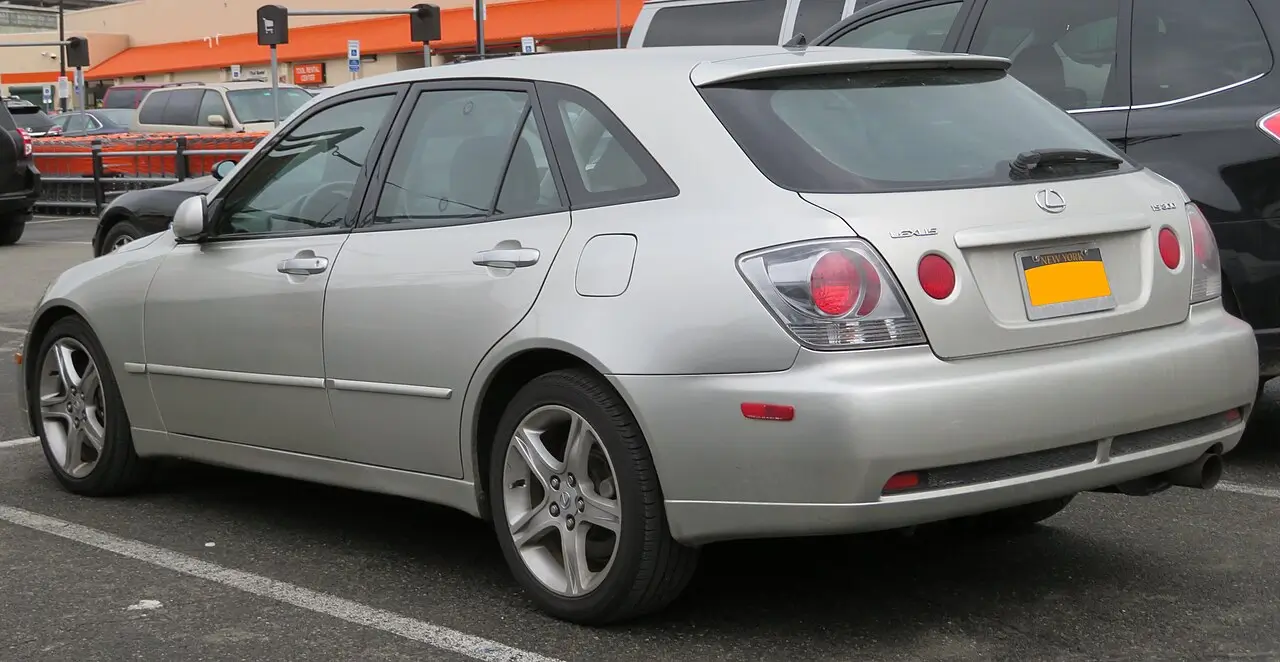
The IS300 sits in a sweet spot for buyers who want something fun, durable, and still usable. It has rear-wheel drive, strong enthusiast interest, and a reputation for solid long-term reliability when not abused. It also avoids some of the fragility concerns that make older European cars intimidating for beginners.
What keeps it from ranking higher is price. Good examples are not throwaway cheap anymore, and many have been drifted, modified, or generally driven hard. If you find a clean, mostly stock car, it is a very appealing first project.
Quick comparison of the best first project car choices
| Car | Why it works | Main downside | Best for |
|---|---|---|---|
| Mazda Miata NA/NB | Simple, huge support, fun at any speed | Prices and rust | Learning RWD basics |
| Honda Civic | Cheap parts, reliable, easy to maintain | Many abused examples | Budget-minded beginners |
| Ford Mustang SN95/New Edge | Affordable power, easy parts access | Crude interior and chassis feel | American performance fans |
| Acura RSX | Reliable, practical, strong aftermarket | Nice ones are getting expensive | Daily-driver project builds |
| BMW E36/E46 | Great driving dynamics, strong community | Higher maintenance costs | Drivers wanting more challenge |
| Chevy C10/square body | Very simple to work on, roomy engine bay | Rust and age-related wear | Classic truck fans |
| Lexus IS300 | Durable, RWD, still practical | Rising prices | Balanced street builds |
How to choose the right one for you
The best first project car depends less on internet consensus and more on your budget, workspace, and patience. If you need the car to start every morning, lean toward a Civic, RSX, or IS300. If this is a weekend toy and you want maximum driving reward, a Miata or Mustang makes more sense.
You also need to be honest about your tools and skill level. Older German cars can be deeply satisfying, but they punish neglect harder than many Japanese or domestic options. A truck may be less glamorous, yet much easier to work on in a driveway with basic hand tools.
What to inspect before you buy
This is where beginner buyers save or lose the most money. Do not focus only on the engine. Rust, title issues, poor wiring repairs, overheating history, transmission problems, and missing trim can turn a cheap project into a miserable one.
Pay attention to these areas before buying:
- Rust on floors, rocker panels, frame rails, shock towers, and suspension mounting points
- Signs of overheating, oil contamination, coolant leaks, or neglected maintenance
- Sloppy modifications such as cut springs, mystery wiring, cheap turbo kits, or poorly installed audio equipment
- Missing interior and exterior parts that are harder to source than basic mechanical items
- Title status, emissions compliance, and whether the car can realistically be registered in your state
A pre-purchase inspection is money well spent, especially if you are considering something older, modified, or unfamiliar. Enthusiasm should not outrun basic due diligence.
The biggest first-project mistake
The biggest mistake is buying the cheapest example of the right model instead of the best example you can afford. That one decision affects everything that follows. A rough car can look like a deal because the purchase price is low, but bodywork, neglected maintenance, and hacked modifications are usually more expensive than paying extra for a cleaner starting point.
There is also a tendency to start modding immediately. Resist that. Baseline maintenance comes first – fluids, brakes, tires, cooling system, ignition components, belts, and bushings. A project car becomes more fun once it is dependable enough to enjoy.
So, what is the best first project car, really?
If you want the most universally smart answer, it is still the Miata or Civic, depending on whether you prefer rear-wheel drive or front-wheel drive. They are popular because they work. They give beginners room to learn without turning every repair into a financial argument.
But the smarter answer is a little more personal. The best first project car is the one with strong parts support, a healthy owner community, minimal rust, and a price that leaves room for repairs after purchase. Buy the cleanest example you can, leave some budget in reserve, and let the car teach you one job at a time instead of all at once.
That approach won’t win you glamour points, but it is how unfinished dreams turn into actual project cars.