
Bought a Used Car and It Has Problems: Navigating Challenges in the US Market
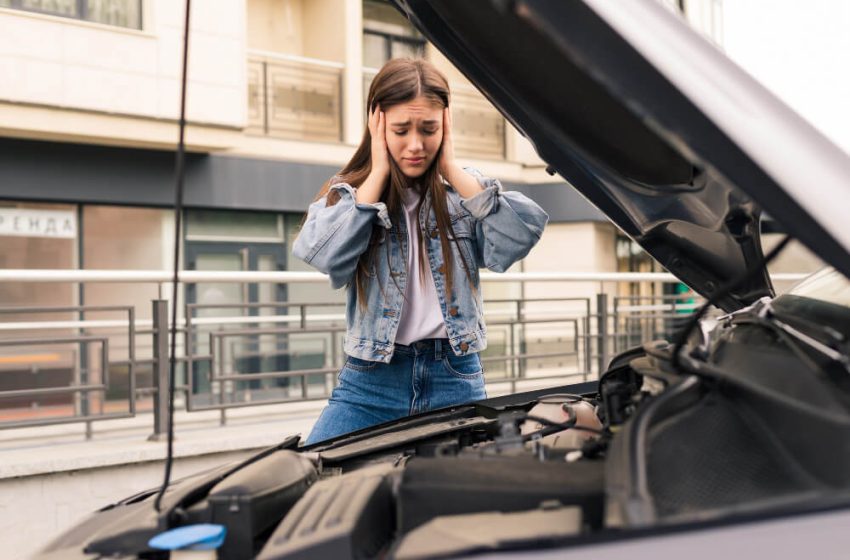
Three weeks after driving her “certified pre-owned” Honda Civic off the lot, a reader of mine ended up with an $1,800 transmission repair bill. She’d skipped the pre-purchase inspection because the dealer’s 2.9% financing offer expired that weekend. If you’ve bought a used car and it has problems, her story probably sounds familiar — the rush of a good deal is exactly what makes people skip the one step that actually protects them. Surprises like hers are common across the US used car market, where a shiny “certified” label doesn’t always mean what buyers expect.
I’ve spent enough time around used cars to know the pattern repeats itself in almost the same order every time: the test drive feels fine, the paperwork gets signed, and somewhere between week two and month three, a noise or a warning light shows up that wasn’t there at the dealership. None of this means you got scammed. It usually means the inspection that should have happened before the sale never did. Navigating those challenges starts with knowing exactly what went wrong and what your options are.

Contents
The Warning Signs Worth Taking Seriously
Not every rattle or squeak means you got a lemon. But a few signs are worth pulling over for: a check-engine light that flickers on and off, transmission shifts that hesitate or clunk, brakes that pull to one side, or an interior that smells faintly of mildew (a sign of prior flood damage more often than people expect). None of these are automatic dealbreakers, but they’re exactly the kind of thing an independent mechanic catches in twenty minutes that you’d miss on a test drive.
Two Problems That Show Up After the Sale, Not Before
The most frustrating issues aren’t the ones you can see during a test drive — they’re the ones that surface weeks later. Transmission trouble is the big one: it often drives fine until it doesn’t, and by the time it announces itself, you’re looking at a repair bill in the thousands. Electrical gremlins are the other. A dashboard warning light that comes and goes, power windows that stick, or a battery that drains overnight can point to wiring issues that take a shop hours to diagnose. I’ve written up what to do when problems show up after you’ve already signed, but the short version is: document everything, and don’t assume the dealer’s 30-day window has closed until you’ve actually read the paperwork.
What Actually Protects You
Here’s the table I wish more buyers saw before they signed anything:
| Step | What It Catches | Typical Cost |
|---|---|---|
| Pre-purchase inspection (independent mechanic) | Engine, transmission, frame, suspension issues | $100–$200 |
| Vehicle history report (Carfax/AutoCheck) | Accident history, title issues, odometer discrepancies | $25–$40 |
| VIN lookup for open recalls | Unresolved safety recalls | Free |
| Extended warranty review | Coverage gaps on major components | Varies by provider |
Of these, the pre-purchase inspection matters most. A vehicle history report tells you what’s on paper; it won’t tell you the alternator is on its way out. I always recommend doing both, because they catch different things — the report flags a car with a branded title before you waste a Saturday on a test drive, and the inspection catches what the paper trail can’t.
Know What the Law Actually Covers
Here’s the thing most buyers don’t realize: used car protections are thinner than they assume, and they vary a lot depending on whether you bought from a dealer or a private seller. Dealers are required to post a Buyer’s Guide on the window telling you whether the car is sold “as is” or with a warranty — read it before you sign, not after. Private-party sales usually come with no protection at all beyond what’s in your state’s lemon laws, which mostly cover new cars anyway. The FTC’s guide to buying a used car is worth the ten minutes it takes to read, and I’ve also put together a rundown of what your rights actually look like state by state.
My Take: What to Do After You’ve Bought a Used Car and It Has Problems
If I had to boil this down to one rule: spend the $150 before you sign, not the $1,500 after. Every buyer I’ve seen regret a used car purchase skipped the inspection to save an afternoon.
Facing other issues after buying used? I’ve put together more buying advice in the Car Buying and Selling section.