

9 Best Hybrid Cars for Highway Driving
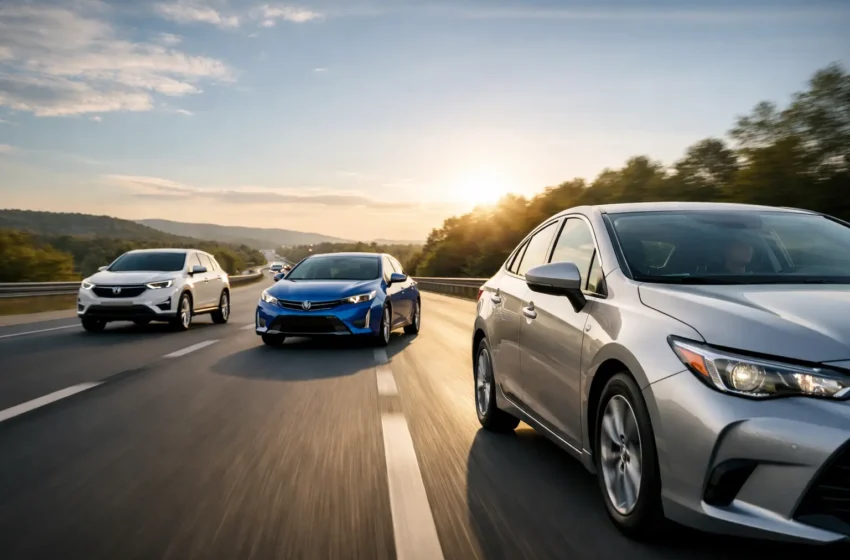
If your commute includes 30, 50, or 80 miles of interstate, the best hybrid cars for highway driving are not always the ones with the flashiest fuel economy headline. Highway use exposes what really matters – cabin noise, seat comfort, passing power, stability at 75 mph, and whether the hybrid system still returns worthwhile mpg once the battery is doing less of the heavy lifting.
That changes the buying equation. A hybrid that feels brilliant in stop-and-go city traffic can feel merely average on long stretches of freeway, while a well-tuned midsize sedan or hybrid SUV can save fuel without making every road trip feel like a compromise. For highway buyers, the sweet spot is efficiency plus refinement, not efficiency alone.
Contents
What makes the best hybrid cars for highway driving?
A good highway hybrid needs more than a big combined mpg number. Aerodynamics matter because steady-speed driving rewards slippery shapes. Engine calibration matters because some hybrids get buzzy when climbing grades or making quick passes. Tire choice, wheelbase, sound insulation, and seat design matter too, especially if you spend two hours a day on the road.
There is also a simple truth many buyers miss: highway mpg usually narrows the gap between a hybrid and a good gas car. That does not make hybrids a bad choice. It just means you should be selective. The best ones still deliver strong real-world fuel economy while feeling relaxed at speed.
Best hybrid cars for highway driving compared
| Model | Best for | Why does it work on the highway | Watch out for |
|---|---|---|---|
| Toyota Camry Hybrid | Most buyers | Quiet, efficient, comfortable, proven hybrid system | AWD is not available on older generations |
| Honda Accord Hybrid | Drivers who want more space | Strong passing power, roomy cabin, composed ride | Some trims get pricey fast |
| Toyota Prius | Maximum MPG commuters | Excellent aerodynamics, low fuel use at speed | Lower seating position is not for everyone |
| Hyundai Sonata Hybrid | Long-range highway drivers | Smooth ride, efficient powertrain, upscale feel | Long-term reliability record is less proven than that of Toyota |
| Kia Niro | Solo commuters and couples | Efficient and easy to park, good highway manners for its size | Less relaxed when fully loaded |
| Toyota RAV4 Hybrid | Families needing an SUV | Practical, efficient, confident road-trip choice | More road noise than the best sedans |
| Honda CR-V Hybrid | Families prioritizing comfort | Spacious interior, refined ride, easy to live with | Fuel economy advantage shrinks at higher speeds |
| Lexus ES 300h | Quiet-mileage luxury shoppers | Excellent ride quality, quiet cabin, efficient cruiser | Less engaging than some luxury rivals |
| Toyota Crown | Buyers want comfort and height | Strong powertrain options, stable, and comfortable | Polarizing styling and a higher price |
1. Toyota Camry Hybrid
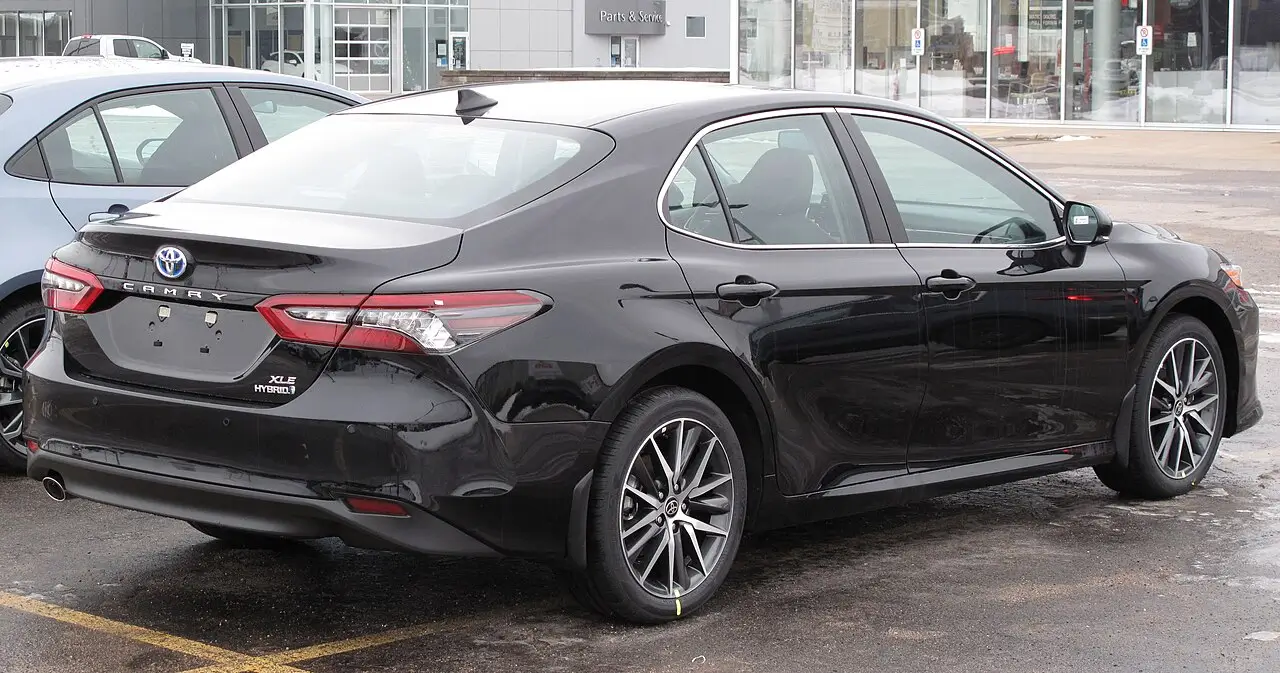
The Camry Hybrid is the easy answer because it gets so many basics right. It is efficient, comfortable, and durable in a way that makes sense for people piling on miles every year. On the highway, the Camry feels more mature than many economy-focused hybrids. Wind noise is well controlled, the seats are supportive enough for long drives, and the powertrain rarely feels strained.
It also helps that Toyota’s hybrid system has a strong reputation for durability and predictable operating costs. If you are buying with five to ten years of ownership in mind, that matters more than a flashy feature list. The trade-off is simple: the Camry Hybrid is excellent at almost everything, but it is not especially exciting.
2. Honda Accord Hybrid
If you want a hybrid that does not feel like a penalty box when you need to merge hard or pass uphill, the Accord Hybrid deserves serious attention. It has a roomy cabin, a large trunk, and one of the more natural highway personalities in the segment. It feels planted, and the extra interior space makes a difference if you regularly carry adults in the back seat.
The Accord Hybrid also strikes a smart balance between efficiency and drivability. Some hybrids get loud when asked for quick acceleration. The Honda generally handles those moments with less drama. The main caution is price creep. Move up the trim ladder, and you can get close to near-luxury territory.
3. Toyota Prius
The Prius is still one of the smartest answers for people chasing low fuel costs, and the latest versions are much easier to recommend than the old stereotype suggests. For highway use, the Prius benefits from its aerodynamic shape, which helps it stay impressively efficient even when the route is mostly interstate.
The catch is that not everyone loves the low seating position or hatchback layout. If you want a more upright driving position and easier entry, a hybrid SUV may fit better. But if your priority is squeezing the most miles out of every gallon without giving up modern safety tech, the Prius remains a heavyweight.
4. Hyundai Sonata Hybrid
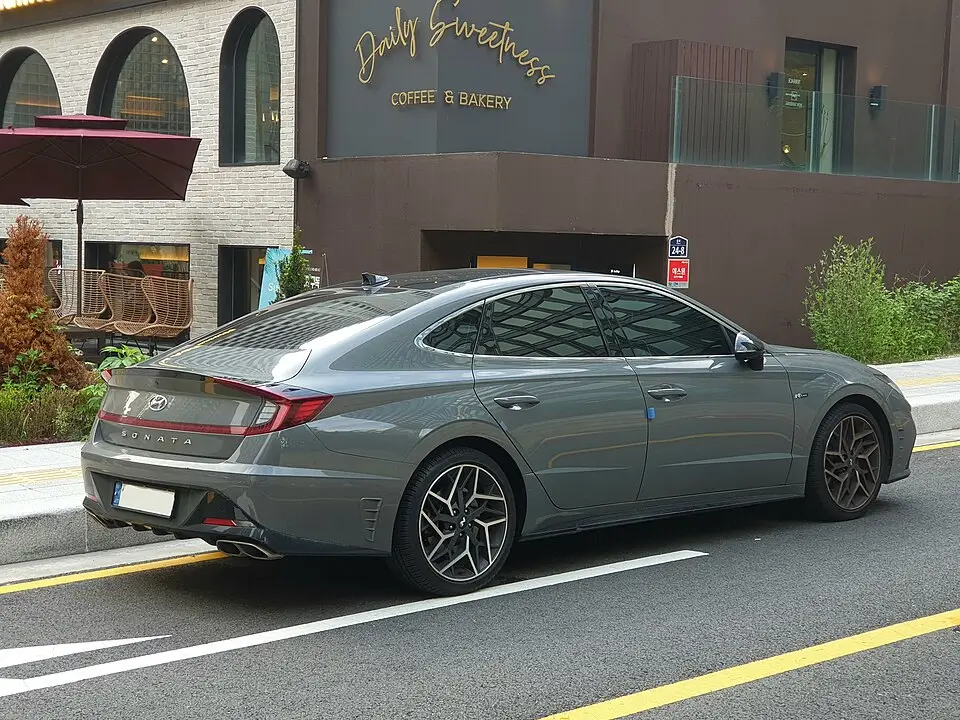
The Sonata Hybrid is an underrated highway car. It rides smoothly, looks sharper than many mainstream rivals, and has a cabin that feels a bit more premium than its price suggests. For commuters who want a midsize sedan with a little less rental-car energy than the obvious choices, it is appealing.
Where it trails the Toyota and Honda alternatives is long-term certainty. Hyundai hybrids have improved, but Toyota still owns the trust advantage for buyers focused on decade-long durability. If you lease, buy new with a strong warranty, or do not plan to keep the car deep into old age, the Sonata Hybrid makes more sense.
5. Kia Niro
The Niro occupies a useful middle ground. It has hatchback practicality, good efficiency, and a slightly taller seating position than a sedan without the weight and frontal area penalty of a larger SUV. On the highway, it is more competent than its footprint suggests.
Still, size matters. If you regularly carry four adults and luggage or spend hours on high-speed rural interstates, the Niro can feel smaller and less effortless than a Camry Hybrid or Accord Hybrid. For one or two people doing long commutes, though, it is a smart and efficient package.
6. Lexus ES 300h
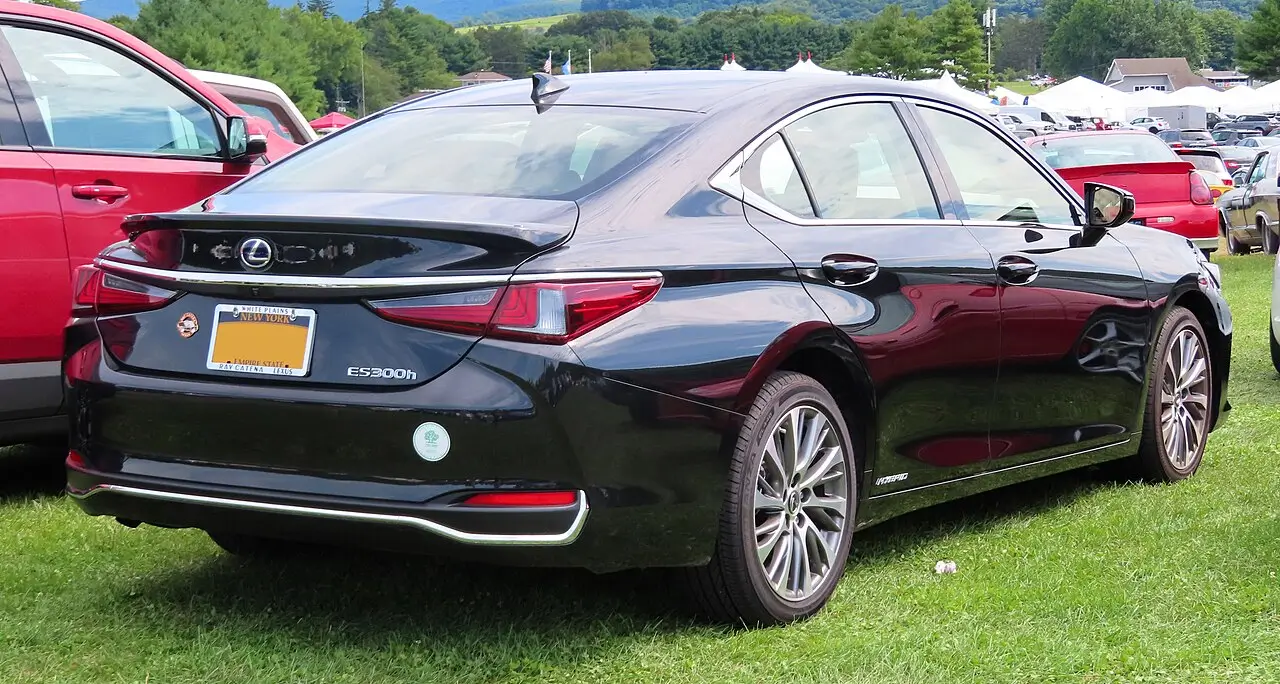
If your budget stretches further and you care deeply about quietness, the ES 300h is one of the most convincing long-distance hybrids on sale. This is the car for people who want to show up after a three-hour drive feeling less worn out. It rides beautifully, the cabin stays impressively hushed, and the fuel economy remains excellent for a near-luxury sedan.
It is not sporty, and it does not pretend to be. That is almost the point. The ES 300h is a calm, efficient highway machine with Toyota-backed hybrid credibility.
7. Toyota Crown
The Crown is an unusual but compelling option for highway buyers who want sedan efficiency with a slightly raised seating position. It feels stable, comfortable, and more substantial than many mainstream hybrids. Depending on the powertrain, it can also deliver stronger straight-line performance than buyers expect.
Its obstacles are price and styling. Some people will like the elevated-sedan concept, others will not. But for highway-focused buyers who want something more interesting than a standard midsize sedan without jumping fully into SUV territory, the Crown is worth a look.
Best hybrid SUVs for highway driving
Not everyone wants a sedan, and that is fair. If you need cargo space, easier child-seat access, or a higher driving position, the best hybrid SUVs for highway driving make a stronger case than they used to. Just know that most hybrid SUVs still give up some mpg and quietness compared with the best hybrid sedans.
8. Toyota RAV4 Hybrid
The RAV4 Hybrid is one of the easiest recommendations for families because it blends utility, fuel economy, and resale strength. It has enough power to avoid feeling breathless on entrance ramps, and it is genuinely useful for road trips, Costco runs, and daily family duty.
Its main weakness is refinement. Compared with the best midsize hybrid sedans, the RAV4 Hybrid lets in more road and wind noise. That is not a dealbreaker, but if your driving is mostly solo interstate commuting, the sedan alternatives feel calmer.
9. Honda CR-V Hybrid
The CR-V Hybrid leans into comfort and space. It has a roomy cabin, a friendly driving position, and a smoother overall character than some rivals. For buyers who want an SUV that feels easy and predictable every day, it is a strong pick.
The nuance is fuel economy. The CR-V Hybrid is efficient, but the benefit over a comparable gas CR-V can shrink a bit if your life is mostly fast highway miles. It is still a good highway vehicle. It is just not the slam-dunk mpg advantage some city-heavy drivers might see.
How to choose the right highway hybrid for your needs
If you drive mostly alone and want the strongest value, start with the Camry Hybrid, Accord Hybrid, and Prius. The Camry is the safest all-around choice, the Accord feels roomier and stronger, and the Prius is the fuel-economy specialist.
If you need family space, compare the RAV4 Hybrid and CR-V Hybrid honestly against your use case. The RAV4 brings a bit more toughness and resale confidence. The CR-V often feels more polished inside. If your driving is truly highway-heavy, test-drive both back to back and pay attention to noise levels, seat comfort, and how the powertrain responds at 70 to 80 mph.
If comfort is the mission and the budget allows, the Lexus ES 300h is the grown-up answer. It will not win every spec-sheet fight, but it gets the long-distance experience right, and that matters when the odometer climbs fast.
One last thing: do not buy a highway hybrid based only on EPA numbers. A car that saves a little less fuel but leaves you less fatigued after 500 miles may be the smarter ownership choice. The best highway car is the one that still feels like a good idea after the honeymoon period, when the payment is real, the miles are piling up, and you just want the drive home to be easy.