
Plug In Hybrid vs Hybrid: The Honest Choice
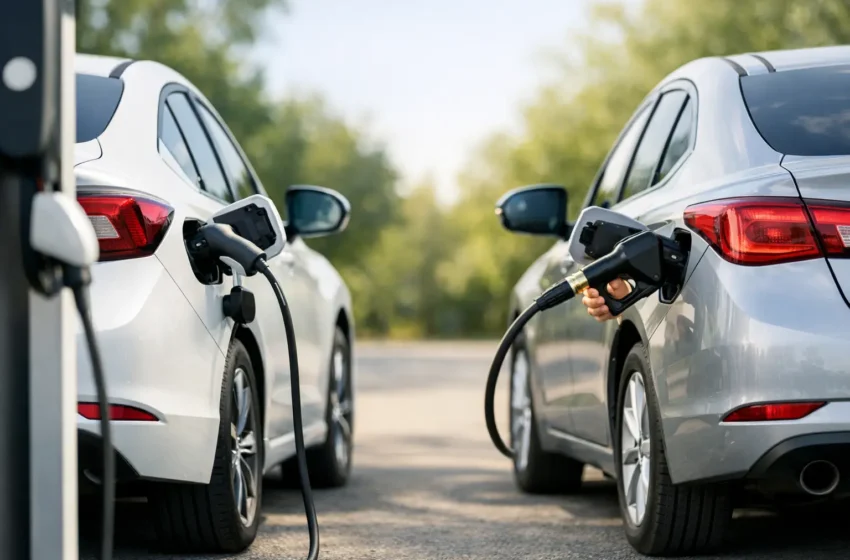
If you are stuck on plug in hybrid vs hybrid, the real question is not which one is more advanced. It is which one actually fits the way you drive, park, charge, and pay for fuel. A lot of buyers assume a plug-in hybrid is automatically the smarter choice, but that only holds up if you can use its electric range consistently.
A regular hybrid and a plug-in hybrid both use a gas engine and an electric motor. The difference is battery size and how much of your driving can happen on electricity alone. A standard hybrid charges itself while driving and braking. A plug-in hybrid, or PHEV, can also do that, but it starts with a much larger battery that you charge from an outlet.
Contents
Plug in hybrid vs hybrid: what actually changes?
From the driver’s seat, both can feel similar in traffic. They are quieter at low speeds, smoother in stop-and-go driving, and usually more efficient than a comparable gas-only vehicle. Where they split is in daily routine and ownership math.
A normal hybrid is easy. You fill it with gas and drive it like any other car. The battery takes care of itself. That simplicity is a big reason hybrids have become such strong commuter and family-car picks.
A plug-in hybrid asks more from you. You need a place to charge, or at least a realistic plan to do it often. In return, you can cover short commutes on electricity alone. For some owners, that means barely touching the gas engine during the work week. For others, especially apartment dwellers or long-distance drivers, the extra complexity does not pay back the higher purchase price.
| Category | Hybrid | Plug-in Hybrid |
|---|---|---|
| Battery size | Small | Much larger |
| External charging | No | Yes |
| EV-only driving | Very limited | Often 20-50 miles or more |
| Purchase price | Usually lower | Usually higher |
| Best for | Simple efficiency | Short trips with reliable charging |
The cost difference is where buyers get tripped up
The brutal truth is that a plug-in hybrid often looks amazing on paper and less amazing in real life if you do not charge it regularly. EPA numbers can make a PHEV seem dramatically cheaper to run, but those savings depend on using electricity for a big share of your miles.
If your commute is 15 to 25 miles each way and you can charge at home every night, a plug-in hybrid can work brilliantly. If you drive 80 miles a day and cannot charge at work, that electric advantage shrinks fast. Once the battery is depleted, a PHEV usually runs like a heavier hybrid, and that extra weight can hurt efficiency.
A standard hybrid is more predictable. It will not give you the headline-grabbing EV range of a plug-in, but its fuel economy is steady regardless of whether you remembered to plug in. That makes it easier to recommend for buyers who want lower fuel costs without changing habits.
Here is the ownership logic in plain English:
- Buy a hybrid if you want better MPG with almost no lifestyle change.
- Buy a plug-in hybrid if you have reliable charging and enough short trips to use the battery often.
- Skip the plug-in premium if your driving pattern rarely lets you take advantage of EV-only miles.
- Be realistic about electricity rates, gas prices, and whether you will actually plug in every day.
Plug in hybrid vs hybrid for commuting
This is where the decision usually gets made. For city and suburban commuting, both options make sense, but for different reasons.
A hybrid shines when your driving includes traffic, mixed suburban roads, and frequent stoplights. Regenerative braking helps it recapture energy, and you never have to think about charge levels. That is why cars like the Toyota Prius hybrid and Honda Accord Hybrid have such strong reputations for practical efficiency.
A plug-in hybrid is strongest when your daily mileage fits inside its electric range. If you commute 18 miles each way, can charge at home, and rarely take long detours, you could do most of your weekly driving on electricity. In that scenario, the gas engine becomes a backup rather than the main event.
But there is a catch. If a PHEV becomes a road-trip car, a kid-hauler, and a no-time-to-charge appliance, it loses part of its reason for existing. Some owners end up carrying a larger battery around while using the gas engine more than expected.
| Driving Pattern | Better Fit | Why |
|---|---|---|
| Short daily commute with home charging | Plug-in hybrid | Can maximize EV-only miles |
| Long commute with no charging access | Hybrid | Lower complexity, more consistent efficiency |
| Frequent road trips | Hybrid | No need to plan charging to justify ownership |
| Mostly local errands and school runs | Plug-in hybrid | Electric range can cover many trips |
Charging convenience matters more than most spec sheets admit
A plug-in hybrid without easy charging is like buying a pickup and never using the bed. Yes, it still works, but you paid for capability you are not using.
Home charging is the make-or-break factor for many buyers. If you own a house, have a garage, or even a dedicated driveway outlet, a PHEV becomes much easier to live with. If you rely on public chargers, the convenience advantage drops. Since a PHEV has a gas engine, you are less dependent on charging than a full EV owner, but regular public charging can still become a hassle.
For apartment residents, street parkers, and households with one overloaded driveway, a standard hybrid is often the better buy. It gives you most of the low-stress efficiency benefits with none of the charging logistics.
Reliability and maintenance are not identical
Both hybrids and plug-in hybrids add electrical complexity compared with a gas-only car, but that does not mean they are unreliable. In fact, many mainstream hybrids have earned excellent reputations. Toyota’s hybrid system is the obvious example, and that long-term track record matters if you keep cars for years.
Plug-in hybrids can also be dependable, but they carry more hardware. Bigger battery packs, onboard charging equipment, and additional cooling systems can mean more potential cost outside warranty. That does not automatically make them risky, but it does mean your choice of brand and model matters more.
For used buyers, battery condition deserves extra attention. A regular hybrid battery replacement can be expensive, but a plug-in hybrid battery can be even more so because it is larger. Warranty coverage helps, yet anyone shopping used should research battery warranty terms, real-world owner reports, and replacement costs before assuming the fuel savings erase all downside.
Which one saves more money?
The answer depends on three things: purchase price, fuel prices, and how often you charge. That is why blanket advice is useless here.
A hybrid usually wins on simplicity and upfront value. It costs less to buy than a comparable plug-in hybrid and still delivers meaningful fuel savings over a gas-only car. If you keep cars a long time and want lower risk, that formula is hard to argue with.
A plug-in hybrid can win on operating cost, but only under the right conditions. If your electric rates are reasonable, your daily driving fits the battery range, and you charge consistently, you may save a lot on gas. Federal or state incentives can also swing the math, although those change over time and should never be the only reason to buy.
For many US buyers, the smartest move is to run your own numbers. Estimate your weekly miles, check local gas and electricity prices, and compare purchase prices for the specific models you are considering. The badge on the trunk matters less than whether your daily use actually matches the technology.
So who should buy each one?
Buy a hybrid if you want the easiest path to better fuel economy. It is the safer recommendation for buyers who road-trip often, cannot charge at home, or simply do not want another routine to manage.
Buy a plug-in hybrid if you are serious about using it as intended. That means frequent charging, lots of short-to-medium trips, and a willingness to pay more upfront for the chance to reduce gas use dramatically.
Enthusiasts sometimes treat the plug-in hybrid as the obvious upgrade, but ownership reality is less glamorous and more practical than that. The best powertrain is the one that works on your driveway, on your commute, and in your budget.
If you are choosing between the two, be honest about your habits before you get impressed by the specs. That honesty will save you more money than any window sticker promise ever will.