
Why Your Car Won’t Start: 15 Reasons Behind This Frustrating Problem

If you’re stranded in your driveway or parking lot, wondering why your car won’t start, you’re not alone. This frustrating situation happens to millions of drivers every year, often at the worst possible time. The good news? In most cases, the problem is common, diagnosable, and fixable—sometimes without even calling a mechanic.
Understanding why your car won’t start can save you time, money, and stress. Whether you hear a clicking sound, complete silence, or the engine cranks but won’t turn over, each symptom points to a specific issue. This comprehensive guide breaks down the most common causes, how to identify them, and what to do next.
Contents
- Common Signs Your Car Won’t Start
- Why Your Car Won’t Start: The 15 Most Common Causes
- Battery-Related Problems Explained
- Starter and Ignition Issues
- Fuel System Failures
- Electrical and Sensor Problems
- Environmental and Weather Factors
- When to Call a Professional
- How to Prevent Future No-Start Issues
- Final Thoughts
Common Signs Your Car Won’t Start
Before diving into the reasons why your car won’t start, it’s important to recognize the symptoms. These clues help narrow down the cause quickly.
You might experience:
- A clicking noise when turning the key
- The engine cranks but doesn’t fire
- Dashboard lights flicker or don’t turn on
- Complete silence when turning the key
- A burning smell or unusual odor
Each of these symptoms points to a different system in your vehicle.
Why Your Car Won’t Start: The 15 Most Common Causes
1. Dead or Weak Battery
A dead or weak battery is the most common reason why your car won’t start, especially if the vehicle has been sitting unused for several days or weeks. Your car battery supplies the electrical power needed to crank the engine, run the fuel pump, and activate the ignition system.
Common Symptoms
- Clicking sound when turning the key
- Dim or flickering dashboard lights
- No sound at all when starting
Why It Happens
- Battery age (over 3–5 years old)
- Leaving headlights or interior lights on
- Extreme cold or heat
- Short driving trips that don’t recharge the battery
How to Fix It
- Jump-start the battery
- Test battery voltage with a multimeter
- Replace the battery if it won’t hold a charge
2. Corroded Battery Terminals
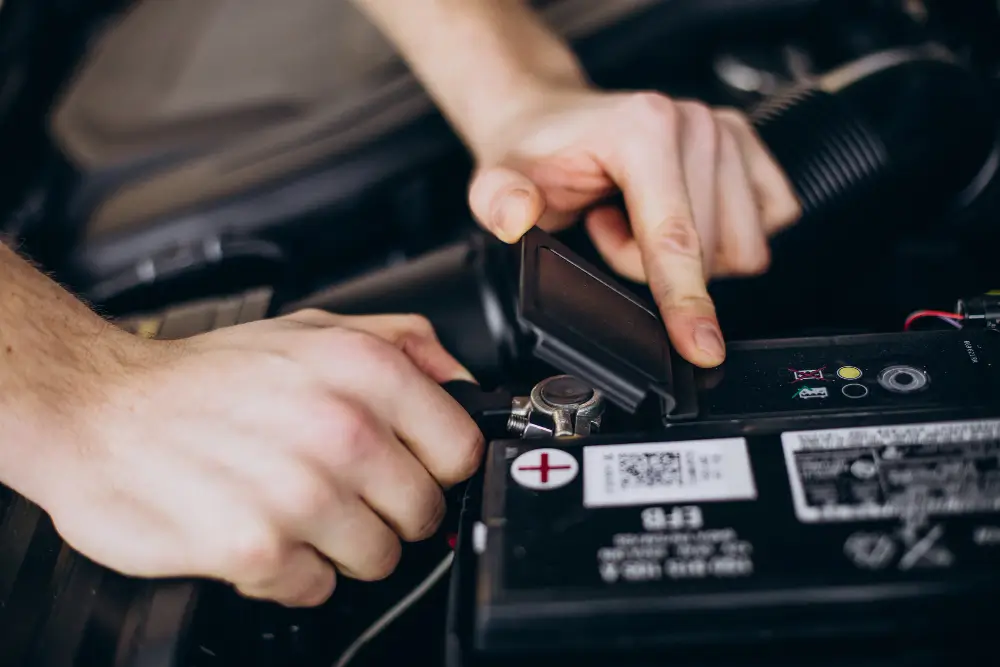
Even if the battery itself is healthy, corrosion on the terminals can interrupt power flow, explaining why your car won’t start unexpectedly.
Common Symptoms
- Intermittent starting problems
- Electrical accessories are failing randomly
- Visible white or green buildup on terminals
Why It Happens
- Acid vapor leaks from the battery
- Moisture exposure
- Lack of routine maintenance
How to Fix It
- Disconnect the battery
- Clean terminals using baking soda and water
- Tighten all cable connections securely
3. Faulty Starter Motor
If you turn the key and hear a single loud click or nothing at all, a failing starter motor may be the reason why your car won’t start.
Common Symptoms
- Clicking or grinding noise
- The engine does not crank
- The car starts intermittently
Why It Happens
- Worn internal components
- Electrical failure
- Heat damage over time
How to Fix It
- Tap the starter lightly (temporary fix)
- Have the starter tested
- Replace the starter motor
4. Bad Ignition Switch
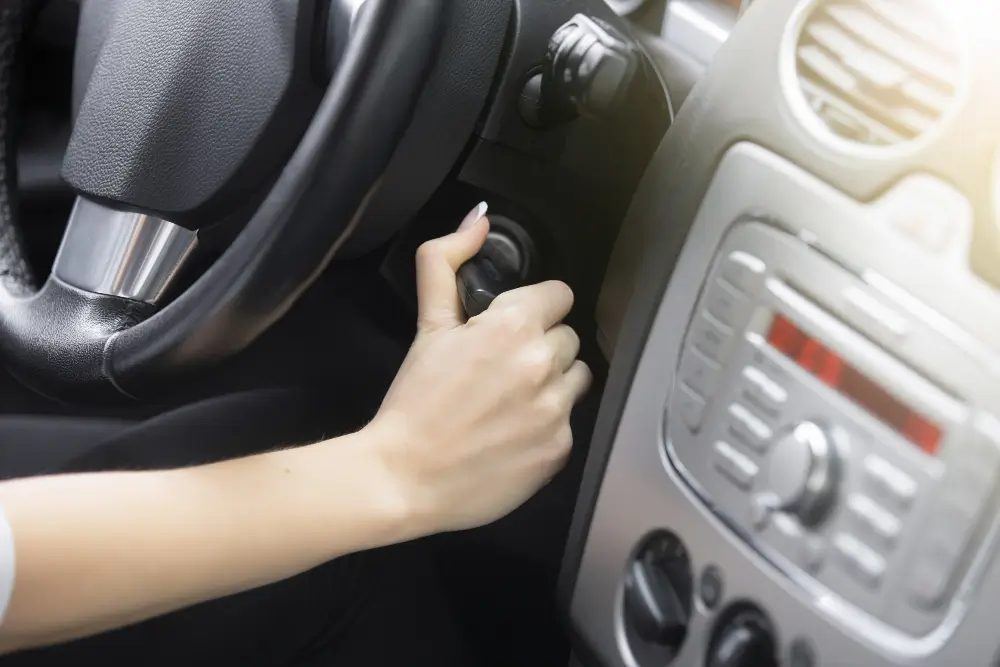
The ignition switch sends power from the battery to the starter and fuel system. When it fails, the car may appear completely dead.
Common Symptoms
- Dashboard lights fail to turn on
- The car stalls while driving
- Key turns, but nothing happens
Why It Happens
- Wear and tear
- Electrical short
- Heavy keychains stress the switch
How to Fix It
- Replace the ignition switch
- Remove excess weight from your keychain
5. Empty Fuel Tank
Sometimes the simplest explanation is the correct one. A faulty fuel gauge can lead you to believe you have gas when you don’t.
Common Symptoms
- The engine cranks but won’t start
- Sudden stalling before failure
Why It Happens
- Broken fuel level sensor
- Inaccurate gauge readings
How to Fix It
- Add fuel
- Have the fuel gauge sensor inspected
6. Clogged Fuel Filter
A clogged fuel filter restricts fuel flow, which can quickly explain why your car won’t start even though it tries to turn over.
Common Symptoms
- Engine sputtering
- Reduced acceleration
- Hard starting
Why It Happens
- Dirty fuel
- Skipping scheduled maintenance
How to Fix It
- Replace the fuel filter
- Follow the manufacturer’s service intervals
7. Fuel Pump Failure
Without proper fuel pressure, the engine cannot ignite. Fuel pump failure is a frequent reason why your car won’t start after driving normally the day before.
Common Symptoms
- No humming sound when the key is turned
- The engine cranks but doesn’t fire
- Sudden loss of power
Why It Happens
- Wear over time
- Running the tank too low frequently
- Electrical issues
How to Fix It
- Check the fuel pump relay and fuse
- Replace the fuel pump
8. Bad Spark Plugs
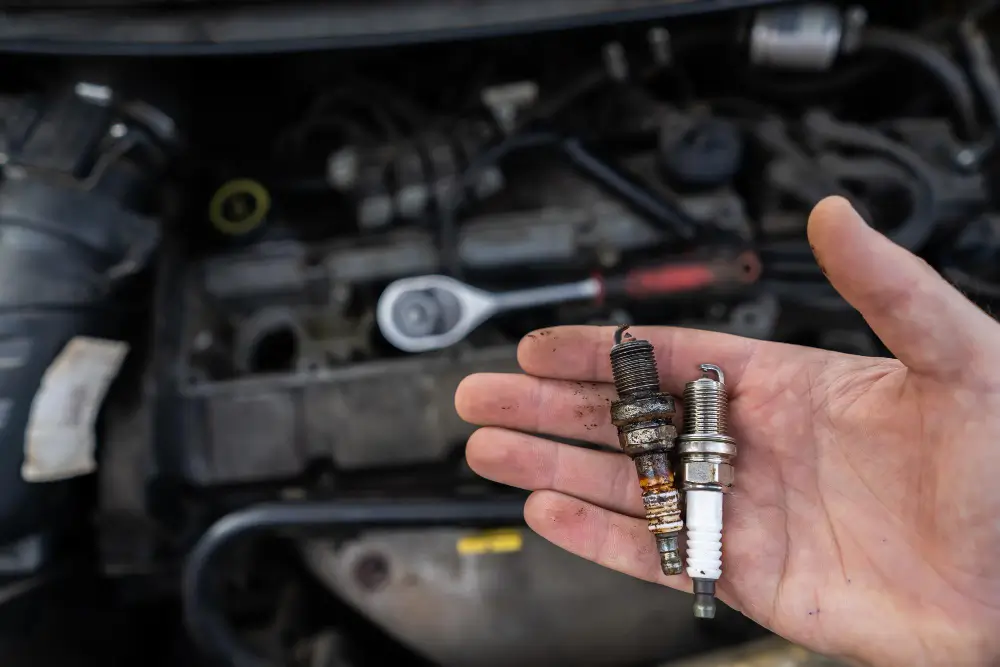
Spark plugs create the spark needed for combustion. When they fail, ignition cannot occur.
Common Symptoms
- Rough idle
- Misfiring engine
- Increased fuel consumption
Why It Happens
- Old spark plugs
- Oil contamination
- Coil failure
How to Fix It
- Replace spark plugs
- Inspect and replace ignition coils
9. Faulty Crankshaft Position Sensor
The crankshaft sensor tells the engine when to fire the spark plugs. If it fails, the engine shuts down as a safety measure.
Common Symptoms
- Sudden stalling
- No start condition
- Check engine light
Why It Happens
- Heat exposure
- Electrical failure
How to Fix It
- Scan for error codes
- Replace the sensor
10. Blown Fuse or Relay
A single blown fuse can disable critical systems, such as fuel injection or ignition.
Common Symptoms
- No response when starting
- Electrical accessories failing
Why It Happens
- Electrical surge
- Aging components
How to Fix It
- Inspect the fuse box
- Replace blown fuses or relays
11. Immobilizer or Key Chip Issues
Modern anti-theft systems can prevent the engine from starting if the key is not recognized.
Common Symptoms
- Security light flashing
- The engine cranks but won’t start
Why It Happens
- Damaged key chip
- Dead key fob battery
How to Fix It
- Try a spare key
- Replace the key fob battery
- Reprogram the immobilizer
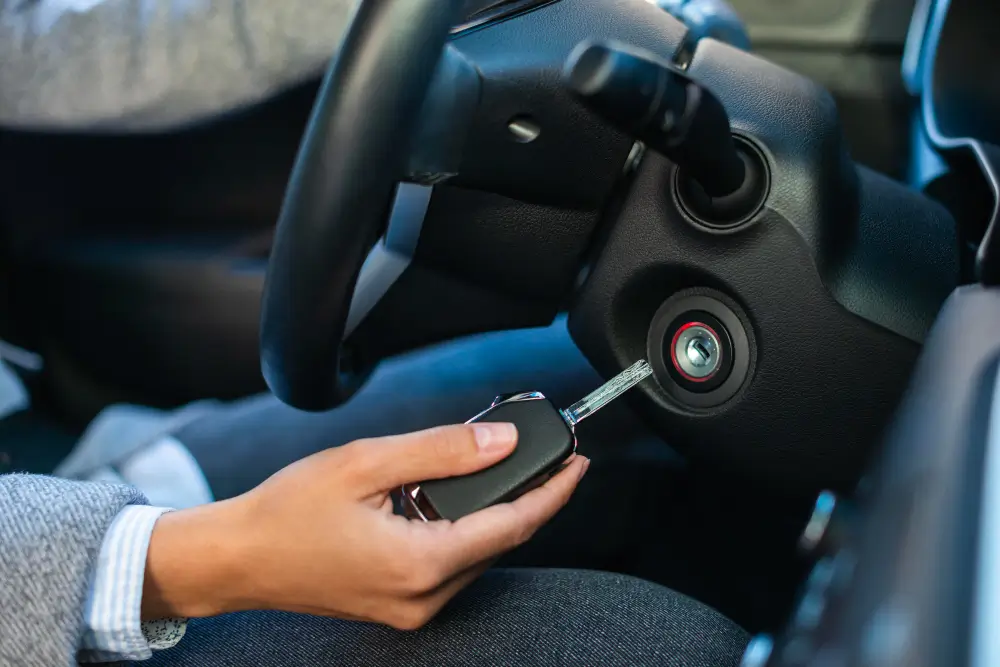
12. Steering Wheel Lock Engaged
A locked steering wheel can prevent the ignition from turning fully.
Common Symptoms
- The key won’t turn
- Steering wheel stuck
Why It Happens
- The wheel turned after the engine shut off
How to Fix It
- Gently turn the wheel while turning the key
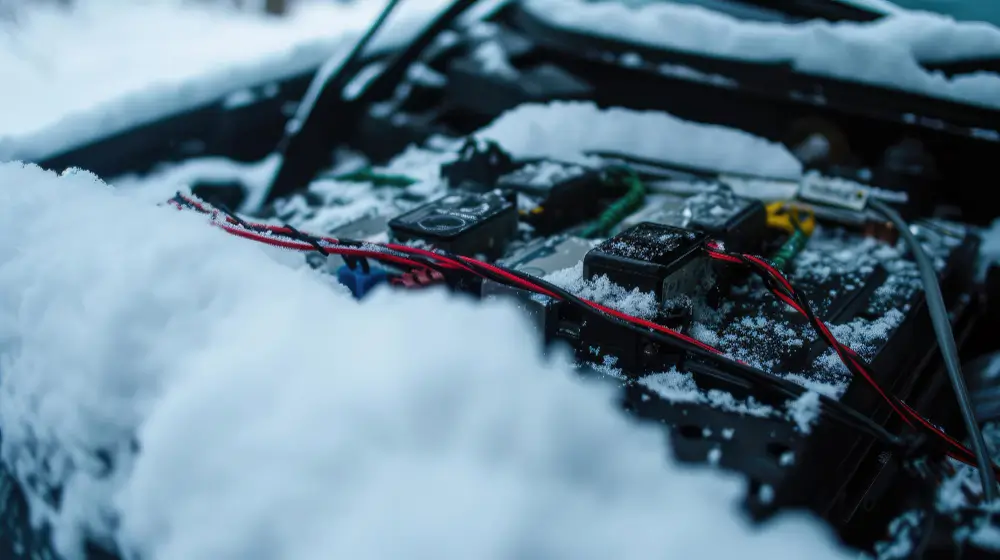
13. Extreme Cold Weather
Temperature extremes affect battery performance and fuel delivery, explaining why your car won’t start seasonally.
Common Symptoms
- Slow cranking in winter
- Vapor lock in extreme heat
Why It Happens
- Thickened oil
- Reduced battery output
How to Fix It
- Use a block heater
- Park in a garage
- Use weather-appropriate oil
14. Flooded Engine
Repeated start attempts can flood the engine with fuel.
Common Symptoms
- Strong fuel smell
- The engine cranks but won’t start
Why It Happens
- Pressing the gas pedal excessively
- Faulty fuel injectors
How to Fix It
- Wait 10–15 minutes
- Try starting with the accelerator fully pressed
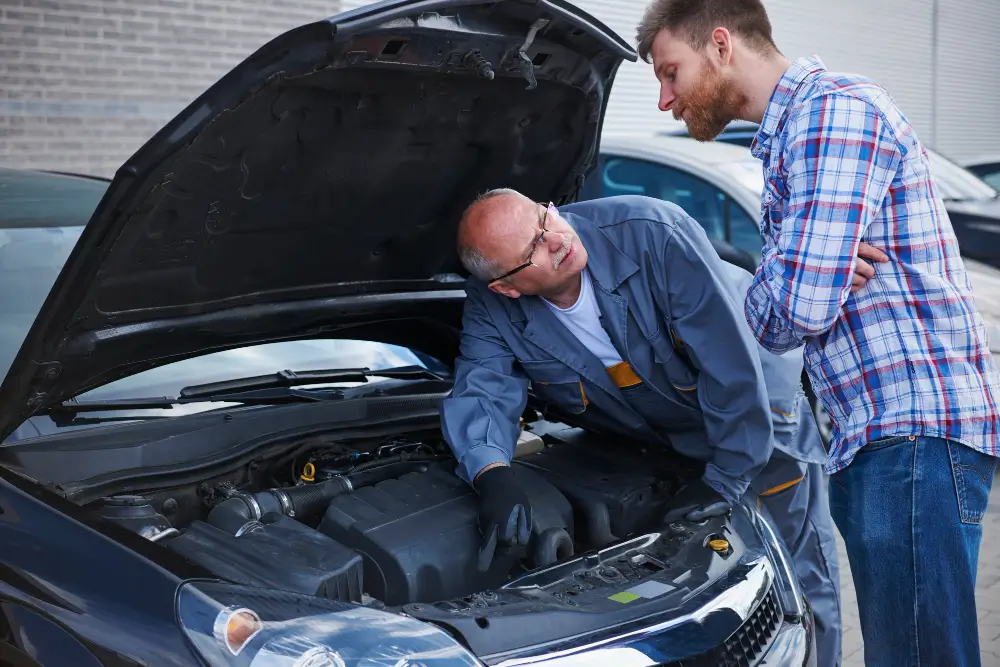
15. Engine Timing Issues
Timing issues are serious and often catastrophic reasons why your car won’t start.
Common Symptoms
- The engine spins faster than normal
- Sudden failure while driving
Why It Happens
- Missed maintenance
- Worn timing components
How to Fix It
- Tow the vehicle
- Immediate professional repair
Battery-Related Problems Explained
Battery issues account for nearly half of all no-start situations. According to the American Automobile Association, battery failure is the leading cause of roadside assistance calls. If your vehicle struggles to start after sitting overnight, the first thing to inspect is the battery.
Starter and Ignition Issues
If your battery tests good but the engine won’t crank, the issue likely lies in the starter or ignition system. Clicking sounds usually indicate starter solenoid problems.
Fuel System Failures
Fuel delivery problems are another major reason why your car won’t start. Modern engines rely on precise fuel pressure. Even minor blockages can prevent ignition.
Warning signs include sputtering, loss of power, or repeated stalling before complete failure.
Electrical and Sensor Problems
Modern vehicles depend heavily on sensors and onboard computers. A single faulty sensor can shut down the entire system as a safety measure.
A diagnostic scan tool can quickly identify these problems.
Environmental and Weather Factors
Weather plays a huge role in explaining why your car won’t start. Cold drains batteries, while heat can damage electronics and fuel components.
If your car fails to start only during extreme weather, environmental stress is likely the culprit.
When to Call a Professional
You should contact a mechanic if:
- The engine cranks but never starts
- You smell fuel repeatedly
- Warning lights appear before failure
- The issue happens frequently
Persistent problems often indicate deeper mechanical or electrical failures.
How to Prevent Future No-Start Issues
Prevention is the best cure for understanding why your car won’t start again in the future.
Best practices include:
- Replace your battery every 3–5 years
- Keep terminals clean
- Follow scheduled maintenance
- Don’t ignore warning lights
- Start your car regularly if unused
These habits significantly reduce the risk of sudden breakdowns.
Final Thoughts
Knowing why your car won’t start empowers you to act quickly and confidently. While some issues require professional repair, many common causes are simple and inexpensive to fix. By understanding the symptoms, performing basic checks, and staying proactive with maintenance, you can avoid being stranded and extend the life of your vehicle.
The next time your car refuses to start, you’ll know exactly where to begin—and that peace of mind is priceless
Helpful independent resources: RepairPal · NHTSA · your vehicle's owner's manual