
How to Restore Car Paint from Sun Damage: 11 Proven Tricks for Stunning Results
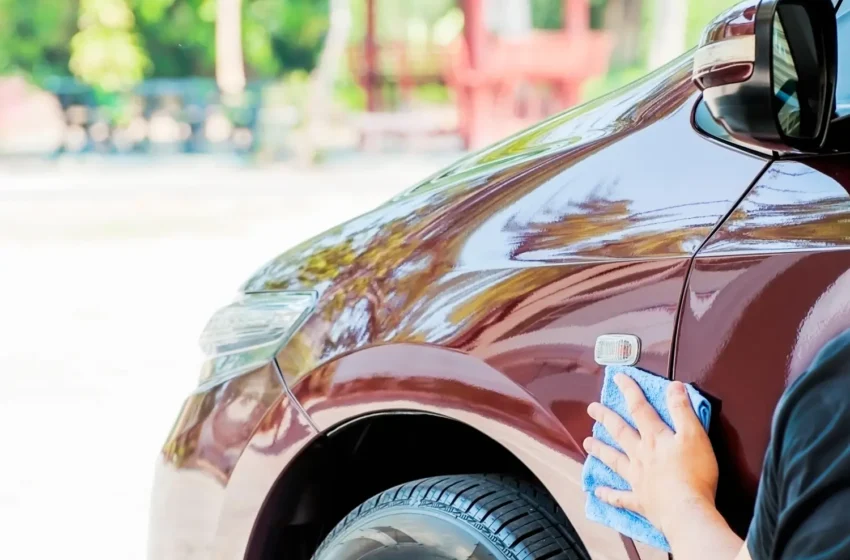
Sun exposure is one of the most common causes of faded, chalky, dull car paint. This guide covers how to diagnose the damage and fix it, from a simple wash-and-wax refresh up to machine polishing and ceramic coating for more serious cases. These proven tricks deliver stunning results, even on paint that looks beyond saving.
Contents
- What Causes Sun Damage to Car Paint?
- Signs Your Car Paint Is Sun-Damaged
- How to Restore Car Paint from Sun Damage: Step-by-Step
- Step 1: Wash and Decontaminate
- Step 2: Clay Bar the Surface
- Step 3: Assess the Level of Oxidation
- Step 4: Apply an Oxidation Remover
- Step 5: Machine Polishing for Heavier Damage
- Step 6: Hand Polishing for Mild Cases
- Step 7: Apply a Quality Car Wax
- Step 8: Seal for Longer-Term Protection
- Step 9: Add a Ceramic Coating
- Step 10: Touch-Up Isolated Spots
- Step 11: When to Call a Professional
- Commonly Recommended Products
- Preventing Future Sun Damage
- Frequently Asked Questions
- Conclusion
What Causes Sun Damage to Car Paint?
UV rays gradually break down the molecular bonds in your car’s clear coat. As the clear coat deteriorates, color fades and the surface turns rough and chalky. This is made worse by parking in direct sun for long periods, skipping regular washing and waxing, exposure to road salt and pollution, and using harsh, non-automotive cleaners that strip protective coatings.
Signs Your Car Paint Is Sun-Damaged
Look for fading or dull color where the paint has lost its depth and vibrancy, a patchy or uneven finish where sun-exposed panels look different from shaded ones, a chalky white or gray oxidation residue, a rough texture with tiny bumps you can feel with your hand, and in advanced cases, a clear coat that’s visibly peeling — that last one usually means polishing won’t be enough and you’re looking at repainting.
How to Restore Car Paint from Sun Damage: Step-by-Step
Step 1: Wash and Decontaminate
Start with a deep wash using pH-balanced automotive soap to remove dirt, grime, and oxidized particles. Skip dish soap — it strips existing wax and can accelerate damage.
Step 2: Clay Bar the Surface
A clay bar lifts embedded contaminants — tree sap, brake dust, industrial fallout, road tar — that a regular wash won’t remove. This leaves a smooth surface that’s ready for polishing.
Step 3: Assess the Level of Oxidation
Lightly rub a small area with polishing compound on a microfiber towel. If color transfers onto the towel, oxidation is present, and heavier transfer usually means you’ll need machine polishing rather than hand polishing.
Step 4: Apply an Oxidation Remover
An oxidation remover chemically lifts the chalky layer before polishing. Apply it with a microfiber pad and buff gently by hand.
Step 5: Machine Polishing for Heavier Damage
A dual-action polisher with a cutting compound removes a thin layer of damaged clear coat to reveal the glossy paint underneath. This is the most effective option for heavy oxidation, but going too aggressive can thin the clear coat further, so working in small sections with a light touch matters.
Step 6: Hand Polishing for Mild Cases
For lighter fading, a foam applicator pad with a swirl-remover or light polishing compound, worked in small circular motions with even pressure, is usually enough.
Step 7: Apply a Quality Car Wax
Waxing restores shine and adds a layer of UV protection. Carnauba wax gives deeper gloss; synthetic wax typically lasts longer and holds up better against continued sun exposure.
Step 8: Seal for Longer-Term Protection
A paint sealant lasts roughly 6–12 months and offers stronger UV protection than wax alone. Apply after polishing and let it haze before buffing off.
Step 9: Add a Ceramic Coating
Ceramic coating is the strongest protective layer available, giving multi-year protection against UV rays, oxidation, and water spots. It’s a bigger upfront cost (professional application often runs $500–$1,500+ depending on vehicle size) but the best option if you want to stop redoing this every season.
Step 10: Touch-Up Isolated Spots
For small patches with missing clear coat, sand lightly with 2000–3000 grit sandpaper, apply touch-up paint, add a clear coat layer, and polish once fully dry.
Step 11: When to Call a Professional
Get a professional opinion if the clear coat is peeling, the paint has deep cracks, multiple layers are compromised, or you want full paint correction. A body shop can wet sand and repaint damaged panels to close to factory finish.
Commonly Recommended Products
Clay bars: Meguiar’s, Mothers. Cutting compounds: 3M, Chemical Guys V36. Polishing pads: Hex Logic foam pads. Wax: P21S, Collinite 845. Sealants: Klasse, Wolfgang Deep Gloss. Ceramic coatings: CarPro CQuartz, Gtechniq.
Preventing Future Sun Damage
Park in shade or a garage whenever possible, since this alone dramatically cuts UV exposure. A UV-blocking car cover is worth it if you live somewhere sunny and don’t have covered parking. Wash regularly, since surface contaminants make UV damage worse, and reapply wax every 2–3 months, or add a ceramic coating for protection that lasts years instead of months. Stick to automotive-grade cleaners and skip harsh household products.
Frequently Asked Questions
Can sun-damaged car paint be fully restored?
Yes, unless the clear coat is already peeling — mild to moderate oxidation can be polished away.
How long does the restoration last?
Polishing and waxing typically hold up for a few months; a ceramic coating extends that to a few years.
Is repainting always necessary for severe sun damage?
Not always — wet sanding and clear-coat repair are often enough unless the color coat itself is degraded.
How often should I wax my car?
Every 2–3 months for consistent UV protection.
Will polishing damage my paint?
Done properly, polishing removes only a very thin layer of clear coat and is safe for most vehicles — just don’t over-polish the same spot repeatedly.
Conclusion
Washing, claying, polishing, waxing, and sealing will bring back shine on most sun-damaged paint. For anything beyond fading and light oxidation — cracking or peeling clear coat — it’s worth getting a professional opinion before spending money on products that won’t fix the underlying problem.
Would you like to know more about car maintenance? Check our Maintenance and Repair section of the blog.