

Hybrid Battery Replacement Cost Guide
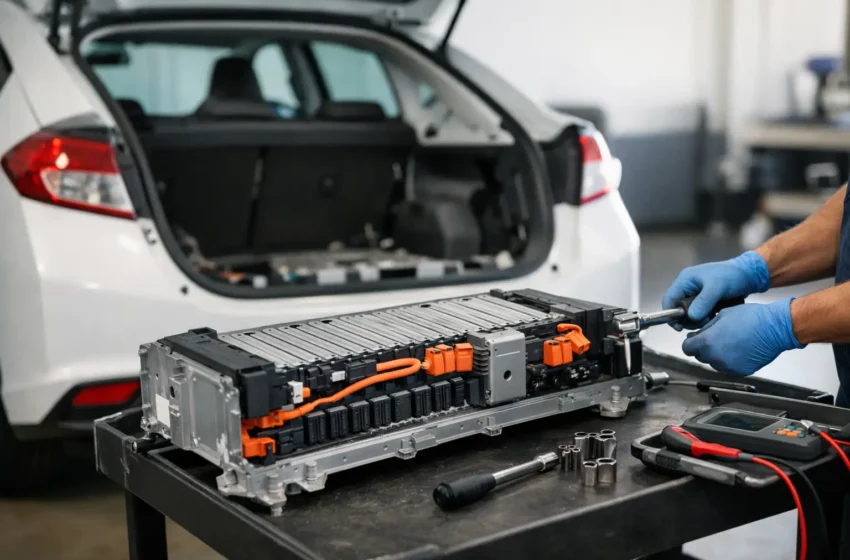
A hybrid can save you real money at the pump, right up until somebody mentions the battery. That is why a solid hybrid battery replacement cost guide matters – not because every hybrid will need a pack tomorrow, but because battery replacement is the repair that can turn a smart buy into a bad one if you did not budget for it.
The good news is that hybrid battery failure is not as common or as random as many shoppers fear. The less good news is that replacement cost varies a lot by vehicle, battery type, shop choice, and whether you go new, remanufactured, or used. If you are shopping for a used hybrid or staring at a battery warning light in your current one, here is what the numbers really look like.
Contents
- Hybrid battery replacement cost guide: the real price range
- What actually drives the cost
- Typical costs by hybrid type
- Dealer vs independent hybrid shop
- When replacement makes financial sense
- How long hybrid batteries usually last
- Signs the battery may be failing
- How to avoid overpaying
- The brutal truth on ownership planning
Hybrid battery replacement cost guide: the real price range
For most mainstream hybrids in the US, total replacement cost usually lands somewhere between $2,000 and $8,000. That is a huge spread, and it exists for a reason. An older Toyota Prius with a nickel-metal hydride pack can sit near the lower end, especially with aftermarket or remanufactured options. A newer hybrid SUV with a larger lithium-ion battery can push much higher.
If you want a rough ownership-planning estimate, many common non-plug-in hybrids fall around $2,500 to $4,500 for a replacement using a quality rebuilt or aftermarket pack installed by an independent hybrid specialist. A new OEM battery installed at a dealership often lands more in the $3,500 to $6,500 range, though some vehicles run above that.
Luxury hybrids tend to be less forgiving. Parts pricing is higher, labor can be more involved, and dealer-only repair paths are more common. That means a used luxury hybrid with an aging battery may be cheap to buy for a reason.
What actually drives the cost
Battery replacement is not one fixed job. It is several different jobs hiding under one phrase.
Battery chemistry matters
Older hybrids commonly used nickel-metal hydride batteries. These packs are usually simpler, well understood, and often cheaper to replace or rebuild. Many Toyota hybrids built their reputation on this setup.
Newer hybrids increasingly use lithium-ion batteries. They can offer better energy density and packaging, but replacement cost can be higher depending on the model. Availability also matters. A battery that is common in the market is usually cheaper than one that is rare, backordered, or only sold through dealer channels.
Vehicle size and design matter
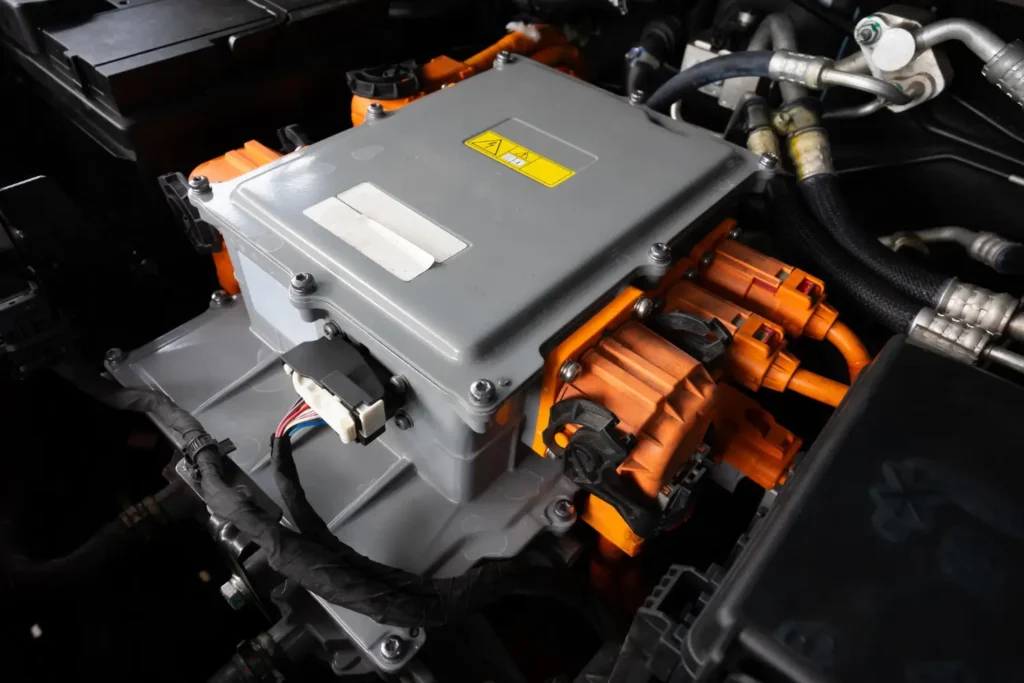
A compact hybrid sedan is usually cheaper to service than a larger hybrid crossover or premium model. Some packs are easy to access. Others require more disassembly, more labor hours, and more shop caution around high-voltage systems.
New, remanufactured, and used are not the same thing
This is where many repair estimates start to swing wildly.
A new OEM battery is the closest thing to resetting the clock. It is usually the most expensive option, but it often offers the best reliability and the strongest warranty support. If you plan to keep the car for years, this can make sense.
A remanufactured or rebuilt battery usually replaces weak modules and rebalances the pack. It costs less up front, which is attractive on an older hybrid. The trade-off is durability. Some rebuilt packs hold up well when done by a reputable hybrid shop. Others become a repeat-repair story.
A used battery is the budget move and often the riskiest. It can work, especially if sourced from a lower-mile donor vehicle, but it is still an old battery. If your goal is the cheapest short-term fix before selling the car, it may pencil out. If your goal is dependable ownership, it is usually the weakest bet.
Labor and diagnostics add up
The battery itself is only part of the invoice. Shops also charge for diagnosis, installation labor, and sometimes programming or system calibration. In some cases, other components are found along the way, such as a failing battery cooling fan, corroded bus bars, or damaged wiring. Those extras are not always huge, but they can turn a quote that starts with a 3 into a quote that ends with a 5.
Typical costs by hybrid type
The cheapest battery replacement jobs are usually older, high-volume hybrids with strong aftermarket support. Think Toyota Prius, Toyota Camry Hybrid, or Ford Escape Hybrid from common model years. These vehicles benefit from parts availability and a large independent repair network.
Mid-pack costs usually belong to newer mainstream hybrids from Toyota, Honda, Ford, and Hyundai. They are not necessarily expensive because they are unreliable. Sometimes they just use newer pack designs with fewer budget replacement choices.
At the expensive end, you typically find luxury hybrids, lower-volume models, and plug-in hybrids. Plug-in hybrid battery packs are generally larger and more expensive than standard hybrid packs, so if you are cross-shopping a conventional hybrid and a PHEV, battery replacement risk should be part of the math.
Dealer vs independent hybrid shop
This is one of the biggest money-saving decisions you can make.
A dealership usually offers factory parts, brand-specific procedures, and clearer warranty backing. For newer vehicles or owners who want the least ambiguity, that can be worth paying for. But dealerships are often the most expensive route.
An independent hybrid specialist can save you serious money, especially on older vehicles. Many of these shops know Prius-family cars and other mainstream hybrids inside out. They may also offer multiple battery choices instead of one expensive OEM-only path.
A general repair shop sits somewhere in the middle, but this is where you need to be careful. Hybrid battery work is not mystery science, but it does require proper high-voltage safety procedures and actual hybrid-specific experience. Cheap labor is not a bargain if the diagnosis is wrong.
When replacement makes financial sense
Not every hybrid with a bad battery is worth fixing. This is where emotion and math usually start arguing.
If the rest of the car is in strong shape, the transmission is healthy, the engine is solid, and the body is clean, a battery replacement can be a very reasonable move. Spending $3,000 to keep a reliable car on the road is often cheaper than replacing it with another used car that brings its own problems.
But if the vehicle already needs suspension work, tires, brakes, AC repairs, and has 220,000 miles, the battery may be the repair that pushes it over the edge. A battery estimate should never be viewed in isolation. Look at the next 12 to 24 months of likely expenses.
Market value matters too. If the car is worth $4,500 with a good battery and the repair quote is $5,500, the answer is pretty obvious unless the car has unusual sentimental or practical value. On the other hand, if a clean, efficient hybrid becomes worth several thousand more once repaired, replacement may be the right call.
How long hybrid batteries usually last
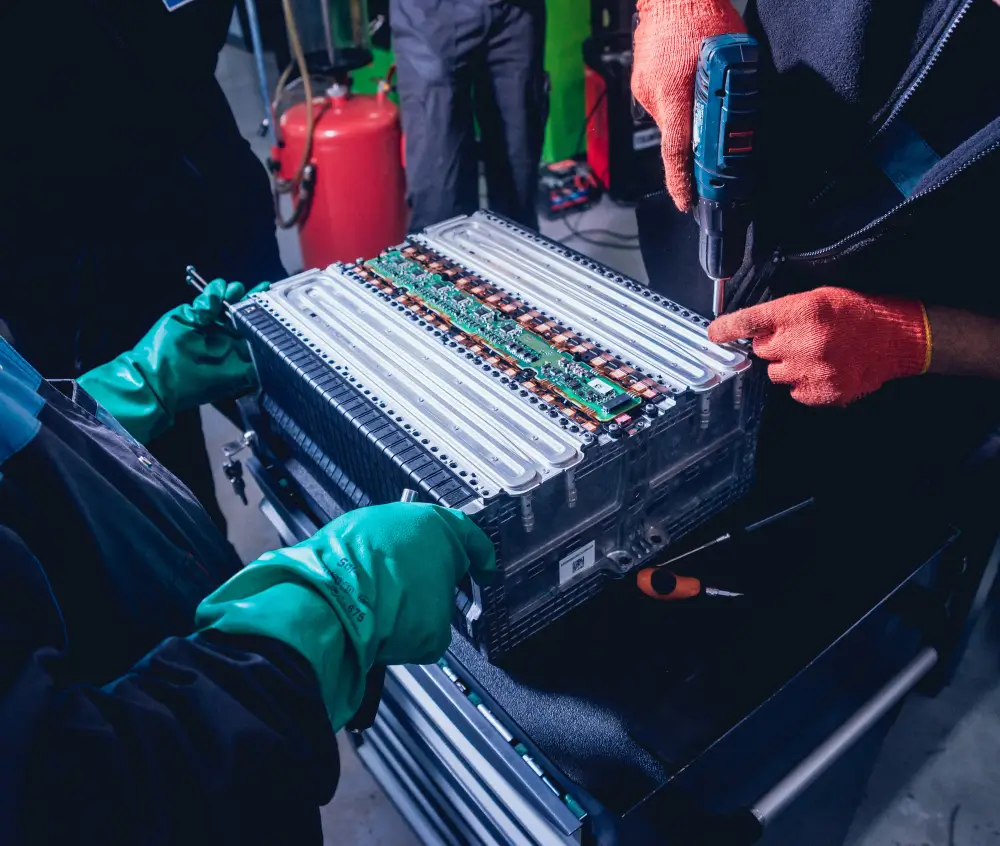
Many hybrid batteries last much longer than the old horror stories suggest. Ten years is not unusual, and some go well beyond that. Mileage, climate, charging cycles, and cooling-system health all play a role.
Heat is one of the biggest battery killers. A hybrid that spent its life in a very hot climate may show battery aging sooner than one in a milder region. Poor maintenance can also shorten life. If the battery cooling fan gets clogged with dust and debris, temperatures rise, and battery stress goes with it.
This is why buying a used hybrid is less about fear and more about homework. A well-maintained 10-year-old hybrid can still be a smart buy. A neglected one with early warning signs can become expensive fast.
Signs the battery may be failing
You do not always get one dramatic moment. Sometimes the warning signs build slowly.
A failing hybrid battery may cause reduced fuel economy, inconsistent state-of-charge swings on the display, weaker electric assist, rough transitions between gas and electric operation, or warning lights related to the hybrid system. Some cars also run the gasoline engine more often than usual because the battery can no longer support the system properly.
That said, not every hybrid warning light means the full battery needs replacement. Sometimes, a bad module, cooling issue, sensor fault, or 12-volt battery problem can point technicians in the wrong direction if the diagnosis is rushed.
How to avoid overpaying
This hybrid battery replacement cost guide would be incomplete without the part that saves people money.
First, get a battery-specific diagnostic report, not just a generic code scan. You want confirmation that the high-voltage pack is actually the problem. Second, ask for a breakdown of parts, labor, warranty, and whether the battery is new, rebuilt, or used. Third, compare at least two quotes when possible, especially if one comes from a dealer.
Also, ask about warranty length in plain English. A three-year warranty sounds good until you learn it is heavily prorated or excludes labor. The cheapest battery option often gets expensive later if the warranty is weak and the shop disappears.
If you are buying a used hybrid, build battery risk into the purchase price. A deal that looks great compared with a gas-only alternative can stop looking great if you are one battery away from a $3,500 repair.
The brutal truth on ownership planning
Hybrid batteries are expensive, but they are not automatic deal-breakers. For many owners, the fuel savings, reliability, and low day-to-day operating costs still make a hybrid a strong financial play. The mistake is treating battery replacement like a freak event instead of a possible long-term ownership cost.
Think of it the same way enthusiasts think about timing chains on certain engines or transmission service on older luxury cars. It is part of knowing the platform. If you budget intelligently, buy the right model, and use a shop that actually understands hybrids, the battery question becomes manageable instead of scary.
The smartest move is not avoiding hybrids altogether. It is knowing exactly where the financial cliff is before your car gets anywhere near it.