
The Future of the Car Industry: Navigating the Road Ahead
The automotive industry is on the brink of a revolutionary transformation, propelled by advancements in technology, environmental consciousness, and changing consumer preferences. As we gaze into the crystal ball of innovation, it’s evident that the future of the car industry is poised to be dynamic, sustainable, and interconnected.
Contents
The Roadmap to The Future of Car Industry
Electric Revolution
At the forefront of this metamorphosis is the Electric Revolution. Major automakers are not merely adapting; they are steering full throttle into the future of the car industry, a journey fueled by a dual commitment: regulatory compliance and an acute awareness of the growing global demand for eco-friendly mobility solutions.
The future of the car industry pivots on the axis of electrification, and this paradigm shift is more than a response to regulatory pressures. Consumers worldwide are increasingly vocal about their environmental concerns, demanding cleaner, greener transportation options. As a result, automakers are not just crafting cars; they are sculpting the very future of mobility.

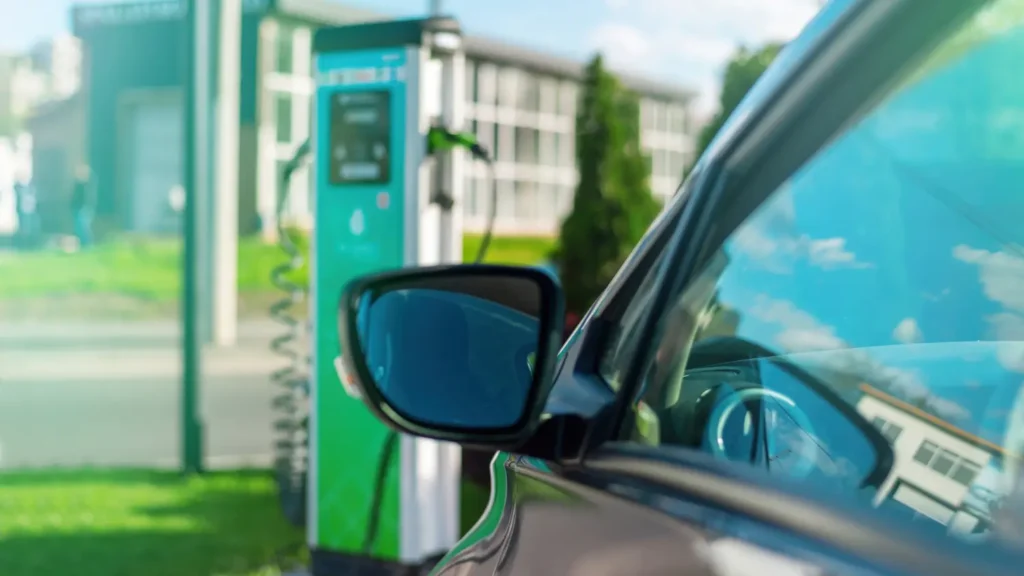
As we navigate this Electric Highway on the Roadmap to the Future, the contours of the automotive landscape are undergoing a profound reshaping. The visionaries at the helm of major automotive companies are investing not only in the development of electric vehicles but also in the necessary infrastructure to support them. The charging infrastructure, a crucial component of this journey, is rapidly evolving, ensuring that the electric revolution is not just a fleeting trend but a lasting transformation.
The Roadmap to the Future Illuminated
Tesla, the pioneer of the Electric Revolution, stands as a beacon illuminating the path ahead. Its sleek designs, impressive range, and pioneering advancements in autonomous driving have set the benchmark for the industry. The echoes of Tesla’s influence reverberate throughout the automotive landscape, catalyzing a competitive race among traditional automakers to electrify their fleets and innovate in battery technologies.
The future of the car industry hinges on this Electric Revolution, and each electric vehicle produced is a step forward on the Roadmap to the Future. This journey is not just about adapting to a new mode of propulsion; it’s about embracing a cleaner, sustainable, and technologically advanced tomorrow.
In conclusion, the Electric Revolution is an integral chapter in the ongoing saga of the future of the car industry. The Roadmap to the Future, illuminated by the electric glow of innovation, charts a course towards a transportation landscape where environmental consciousness, cutting-edge technology, and consumer demands converge. As we traverse this electric highway, it becomes evident that the future of the car industry is not a distant destination—it’s a dynamic journey into the uncharted territories of sustainable and electrifying mobility.
The Autonomous Future: Steering Towards the Future of the Car Industry
When we ponder the future of the car industry, the landscape extends beyond the realm of electric vehicles into the exciting terrain of autonomous driving. It’s a future where vehicles not only run on clean energy but navigate the roads with a level of sophistication that was once confined to the realms of science fiction. The fusion of artificial intelligence and sensor technologies is propelling the automotive industry into uncharted territories, where self-driving cars are not just a dream but a tangible reality.
The Autonomy Acceleration

The pace at which autonomous driving is advancing is nothing short of remarkable. The Autonomy Acceleration is a pivotal chapter in the narrative of the future of the car industry. Breakthroughs in AI algorithms, machine learning, and sensor capabilities have empowered vehicles to perceive their surroundings, make split-second decisions, and navigate complex environments with a level of precision that surpasses human capabilities.
Steering Towards Autonomy
Companies at the forefront of this autonomous revolution, such as Waymo, Uber, and traditional automakers, are not merely dipping their toes into the waters of self-driving technology; they are diving headfirst. The race to redefine the driving experience has led to substantial investments in research, development, and testing of autonomous vehicles. The future of the car industry is no longer confined to the driver’s seat; it’s about embracing a new era where the car takes on the role of a trusted, intelligent companion on the road.
The implications of autonomous driving extend beyond convenience and novelty. The integration of advanced driver-assistance systems (ADAS) is a stepping stone towards fully autonomous vehicles. These systems, already present in many modern cars, enhance safety, reduce the likelihood of accidents, and provide a glimpse into the future where human intervention in driving becomes the exception rather than the rule.
Navigating the Autonomous Landscape is not without its challenges. Regulatory frameworks, ethical considerations, and societal acceptance are critical factors that will shape the trajectory of autonomous driving in the future of the car industry. Striking a balance between innovation and responsible implementation is essential to ensure that the promises of autonomy are realized without compromising safety and public trust.
As we look towards the Autonomous Future, it’s evident that the future of the car industry is not just about the propulsion method but the very essence of transportation itself. The convergence of electric and autonomous technologies is paving the way for a holistic transformation, where vehicles are not merely modes of transport but intelligent entities that contribute to a safer, more efficient, and interconnected mobility ecosystem.
In conclusion, the Autonomous Future is an integral component of the evolving narrative of the future of the car industry. As vehicles evolve from being driven to driving themselves, the industry is on the cusp of a paradigm shift that transcends traditional notions of transportation. The roadmap to this autonomous future is not a solitary route but a network of interconnected possibilities that redefine our understanding of mobility in the years to come.
The Autonomy Acceleration
The integration of AI-driven systems allows cars to perceive their environment, make decisions, and navigate without human intervention. While fully autonomous vehicles are not yet commonplace on the roads, the incremental introduction of advanced driver-assistance systems (ADAS) is paving the way for a future where cars can navigate complex urban environments with ease.
Connected Cars and IoT
In envisioning the future of the car industry, we transcend the notion of vehicles as mere modes of transportation. Instead, we enter a realm where cars are not just means of getting from point A to B, but connected hubs of information, navigating the landscape of the Internet of Things (IoT). This interconnected future is defined by the convergence of technology and transportation, creating a paradigm where cars become integral components of a vast and intelligent ecosystem.
The Connectivity Crossroads

At the Connectivity Crossroads, cars cease to be isolated entities, evolving into smart, connected devices that seamlessly integrate with the digital world. The future of the car industry is intricately woven with the threads of connectivity, transforming the driving experience into a dynamic and interactive journey. As cars become nodes in the IoT network, a new era unfolds, where data is not just generated by vehicles but utilized to enhance every aspect of the driving ecosystem.
The future of the car industry is illuminated by the potential of connected cars. Beyond the conventional realms of entertainment and navigation, this connectivity extends its tendrils into uncharted territories—encompassing vehicle-to-vehicle communication, predictive maintenance, and real-time data analysis. In this future, cars are not passive machines; they are active participants in a symphony of information, orchestrating a harmonious and efficient transportation landscape.
Connected cars contribute significantly to the development of smart cities, acting as mobile data hubs that provide real-time insights into traffic patterns, air quality, and parking availability. This interconnected ecosystem is more than a futuristic concept; it’s a tangible reality shaping the future of the car industry. As we navigate the Connected Highway, the implications of this symbiotic relationship between cars and urban infrastructure become increasingly clear—it’s not just about driving; it’s about contributing to more efficient and sustainable urban planning.
The future of the car industry, at the crossroads of connectivity and innovation, beckons us to embrace a future where vehicles transcend their traditional roles. This connected future is not just about smarter cars; it’s about creating a smarter and more connected world. As we navigate towards this future, the role of connected cars in shaping the landscape of tomorrow is undeniable, paving the way for a dynamic and interconnected future where the lines between transportation and technology blur into a seamless tapestry of progress.
Sustainability and Eco-Friendly Innovations
The future of the car industry is inherently tied to sustainability. Automakers are embracing eco-friendly materials, implementing recycling programs, and exploring alternative energy sources. The shift towards sustainability is not only driven by environmental concerns but also by the changing expectations of consumers who prioritize ethical and green practices.
Driving Green Initiatives

Hydrogen fuel-cell vehicles are emerging as a promising alternative to traditional electric vehicles. With zero emissions and quick refueling times, hydrogen-powered cars could be a game-changer in achieving a more sustainable future for the car industry.
Shift in Ownership Models
The future of the car industry will witness a shift from traditional ownership models to mobility-as-a-service (MaaS). With the rise of ride-sharing, car subscriptions, and on-demand services, consumers are increasingly viewing cars as a service rather than a possession. This shift could lead to reduced congestion, lower emissions, and a more efficient use of resources.
In conclusion, the future of the car industry is a multifaceted landscape defined by electrification, autonomy, connectivity, sustainability, and evolving ownership models. The road ahead holds the promise of cleaner, safer, and more efficient transportation. As the industry continues to evolve, one thing is clear: the future of the car industry is not just about the destination; it’s about the transformative journey that lies ahead.
Would you like to read more news about car industry? Check our Automotive News section of the blog.