
Engine Knocking Sound When Accelerating?
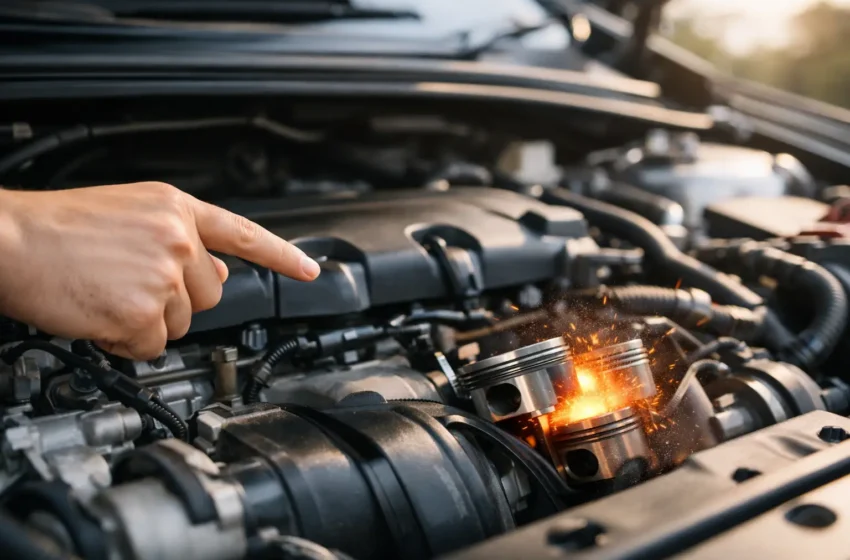
You press the gas, the car loads up, and suddenly there it is – a sharp knock, ping, rattle, or tapping noise that wasn’t there at idle. An engine knocking sound when accelerating is one of those symptoms you should never shrug off, because the cause can range from mildly annoying to engine-killing expensive.
The tricky part is that drivers use the word knocking for a lot of different sounds. True combustion knock is not the same as rod knock. A loose heat shield can sound suspiciously similar under load. Even bad fuel, carbon buildup, or the wrong spark plugs can create a noise that shows up most clearly when you ask the engine for more power. The right move is to narrow down when it happens, what it sounds like, and whether performance has changed.
Contents
What an engine knocking sound when accelerating usually means
Most of the time, a knocking or pinging noise during acceleration points to abnormal combustion or a mechanical part that is unhappy under load. Acceleration puts cylinder pressure up, raises engine stress, and exposes problems that might stay quiet at idle or cruising speed.
If the sound is a light metallic ping that happens when you climb a hill or floor the throttle, you may be dealing with spark knock, also called detonation or pinging. If it is a deeper, heavier knock that rises with RPM and gets worse fast, that is more concerning for internal engine wear. If it sounds like rattling from underneath or near the exhaust, the engine itself may not be the problem at all.
That difference matters because one issue might be solved with fuel, tune, or maintenance, while another can mean an engine rebuild or replacement.
The most common causes of engine knocking sound when accelerating
Low-octane fuel or poor-quality gas
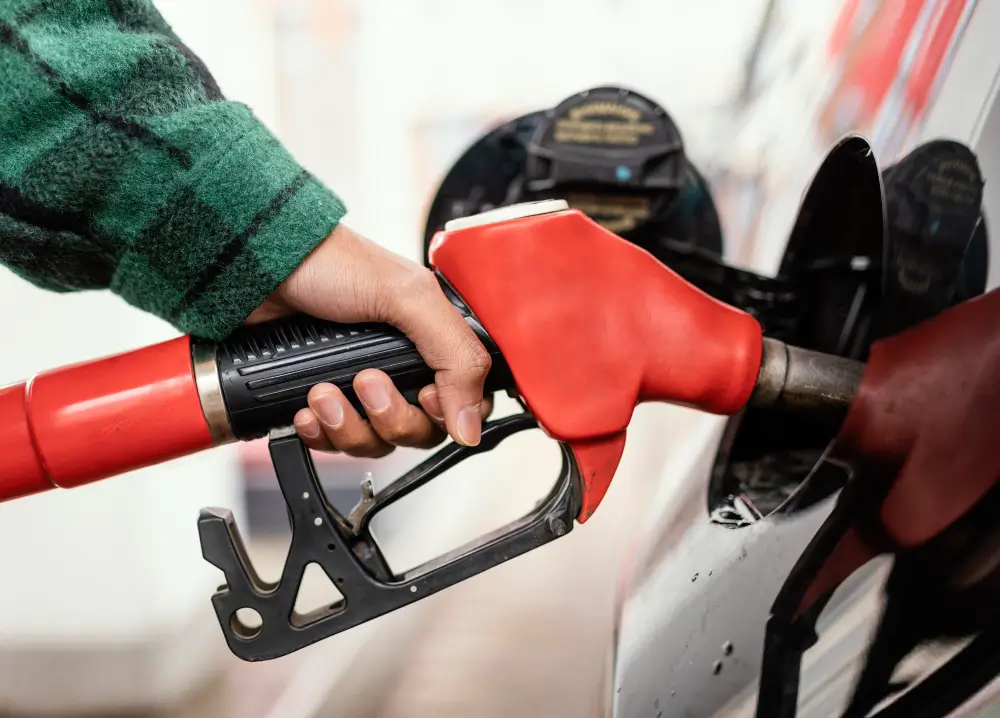
This is one of the most common and least catastrophic causes. If your engine is designed for premium fuel and you fill it with regular, the air-fuel mixture can ignite too early under load. That early combustion creates the classic pinging or knocking sound.
Some engines are more tolerant than others because the ECU can pull timing to protect the engine. But that protection comes with a trade-off – less power, worse fuel economy, and in some cases ongoing knock if the fuel quality is bad enough. Turbocharged engines and high-compression engines are especially sensitive here.
Carbon buildup in the combustion chamber
As carbon deposits accumulate on pistons and valves, they can increase compression and create hot spots inside the combustion chamber. That makes pre-ignition and detonation more likely, especially during acceleration.
This shows up more often in higher-mileage engines and direct-injection engines, though port-injected engines are not immune. If the car has been maintained poorly or spends most of its life on short trips, carbon becomes a more likely suspect.
Incorrect ignition timing or tune issues
If ignition timing is too advanced, the spark happens too early, and combustion pressure builds before the piston is in the right position. That can cause knocking under acceleration. On modern cars, this may be related to bad sensor data, a faulty knock sensor, software issues, or aftermarket tuning.
On older vehicles, the problem may be a mechanical timing adjustment. On modified cars, especially boosted ones, a bad tune can turn a small noise into a blown engine surprisingly quickly.
Bad spark plugs or the wrong heat range
Spark plugs are easy to overlook, but the wrong plugs can absolutely cause knock-like symptoms. If the plugs are incorrect for the engine, worn out, improperly gapped, or running too hot, they can contribute to pre-ignition and misfire under load.
This is a common DIY mistake after a tune-up. Just because a plug threads in does not mean it is the right one.
Lean air-fuel mixture
An engine that is running lean has too much air and not enough fuel. Lean combustion runs hotter, and hotter combustion makes knock more likely. Causes can include vacuum leaks, dirty injectors, weak fuel delivery, a failing mass airflow sensor, or intake leaks.
This type of problem often brings other symptoms with it, such as hesitation, rough running, a check engine light, or poor throttle response.
Failing knock sensor
The knock sensor listens for detonation and tells the ECU to adjust timing when needed. If it fails, the engine computer may not react properly to real knock. In some cars, a bad knock sensor also triggers a conservative mode that hurts performance.
This is one of those issues where the engine may sound worse under acceleration, even though the root problem is in the control system rather than the hard parts.
Rod knock or worn engine bearings
This is the expensive one drivers fear, and for good reason. Rod knock usually comes from worn connecting rod bearings, which creates excessive clearance and a deep metallic knocking noise. It often gets louder with RPM and load.
If the sound is dull, heavy, and clearly coming from deep inside the engine, do not keep driving and hope for the best. Once bearing damage starts, the engine can fail. Low oil pressure, poor maintenance history, oil starvation, or high mileage can all contribute.
Piston slap
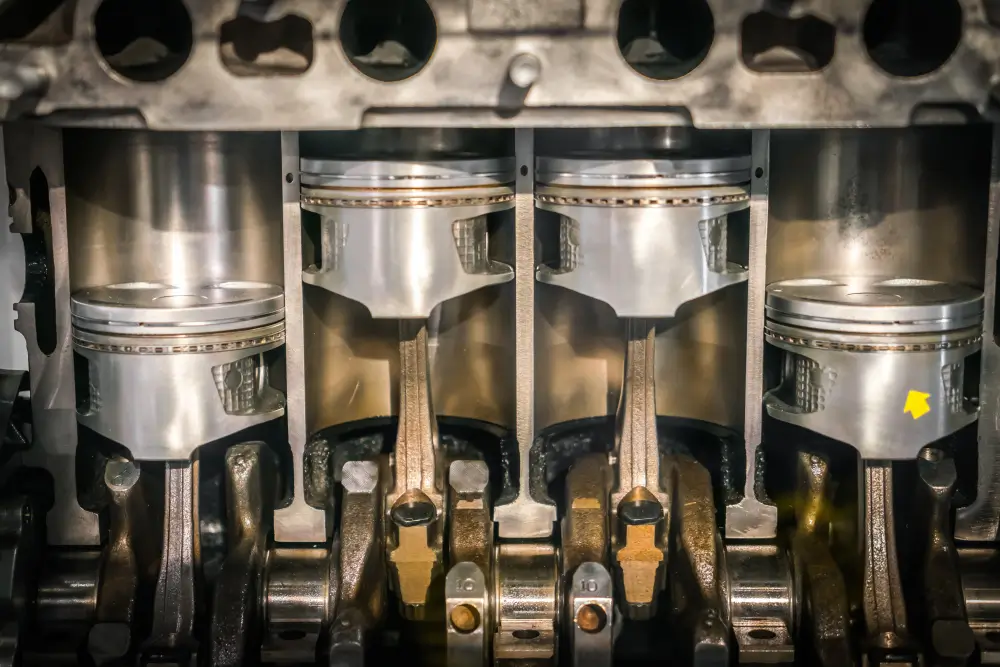
Piston slap is usually more noticeable on a cold start, but in some engines it can linger or become more obvious under light acceleration. It is caused by excessive clearance between the piston and cylinder wall.
Not every case is immediately terminal, and some engines are known to do this for years. Still, it is not a noise to ignore, especially if it has gotten louder over time.
Exhaust leaks, heat shields, or accessory noise
Not every knock is internal. A cracked exhaust manifold, loose heat shield, failing catalytic converter, or even an accessory component can create a metallic rattle that sounds like knocking only when the engine twists under acceleration.
This is why diagnosis matters. Plenty of owners panic over a “blown engine” and end up needing an exhaust repair instead.
How to tell if it is serious
The fastest way to judge risk is by the type of sound and what else the car is doing. A light ping under hard throttle that goes away with better fuel is usually far less severe than a deep knock paired with oil pressure warnings, misfires, smoke, or power loss.
Pay attention to when it happens. If the noise appears only on regular gas, only under steep acceleration, or only in hot weather, combustion knock is more likely. If it is there all the time and gets worse as RPM rises, mechanical damage moves higher on the list.
Also, watch the dashboard. A flashing check engine light means active misfire and potential catalytic converter damage. A low oil pressure light plus knocking is a stop-driving-now situation.
What you should do next
Start with the basics before assuming the engine is dead. Check whether the car requires premium fuel and whether the last fill-up came from a questionable station. If the engine oil is low, correct that immediately, but understand that low oil plus knocking may mean damage has already started.
If the sound is light pinging, try a tank of the correct fuel and avoid heavy throttle until you know more. If maintenance is overdue, inspect or replace spark plugs with the exact spec recommended for the engine. Scan for diagnostic trouble codes, even if the check engine light is not on. Modern cars often store pending codes that point you in the right direction.
If the noise is deep, loud, or getting worse quickly, do not keep testing it on the road. Have it inspected before a smaller repair turns into a full engine replacement.
Can you keep driving with an engine knocking sound when accelerating?
Sometimes, briefly. Sometimes, absolutely not.
If the issue is mild spark knock caused by low-octane fuel, the car may still be drivable for a short period if you stay out of heavy throttle. That said, repeated detonation is not harmless. Over time it can damage pistons, rings, and valves.
If there is any chance the sound is a rod knock, a bearing issue, or low oil pressure, continuing to drive is gambling with the entire engine. That is the point where a tow bill can save you thousands.
Repair cost depends on the cause
This is where diagnosis really matters. Wrong fuel, spark plugs, carbon cleaning, or a sensor issue can be relatively manageable. Fuel system repairs, intake leaks, or ignition problems usually land somewhere in the middle. Internal engine noise is where costs jump hard.
A bad knock sensor or plug job may be inconvenient. Rod bearings, piston damage, or a spun bearing can turn the car into an economic decision rather than a repair decision, especially on older high-mileage vehicles.
That is why the smartest move is not guessing whether the car feels okay enough to keep driving. It is figuring out whether the noise is combustion-related, external, or deep mechanical knock before more damage stacks up.
Cars make all kinds of strange sounds, but this is one of the few that deserve quick attention. If acceleration brings out the knock, treat it like a warning, not background noise. Catch it early, and you may be looking at a tune-up or fuel issue. Wait too long, and you may be shopping for an engine instead.
Helpful independent resources: RepairPal · NHTSA · your vehicle's owner's manual